
Market data indicates a shift in the economic viability of certain alternative marine fuels.
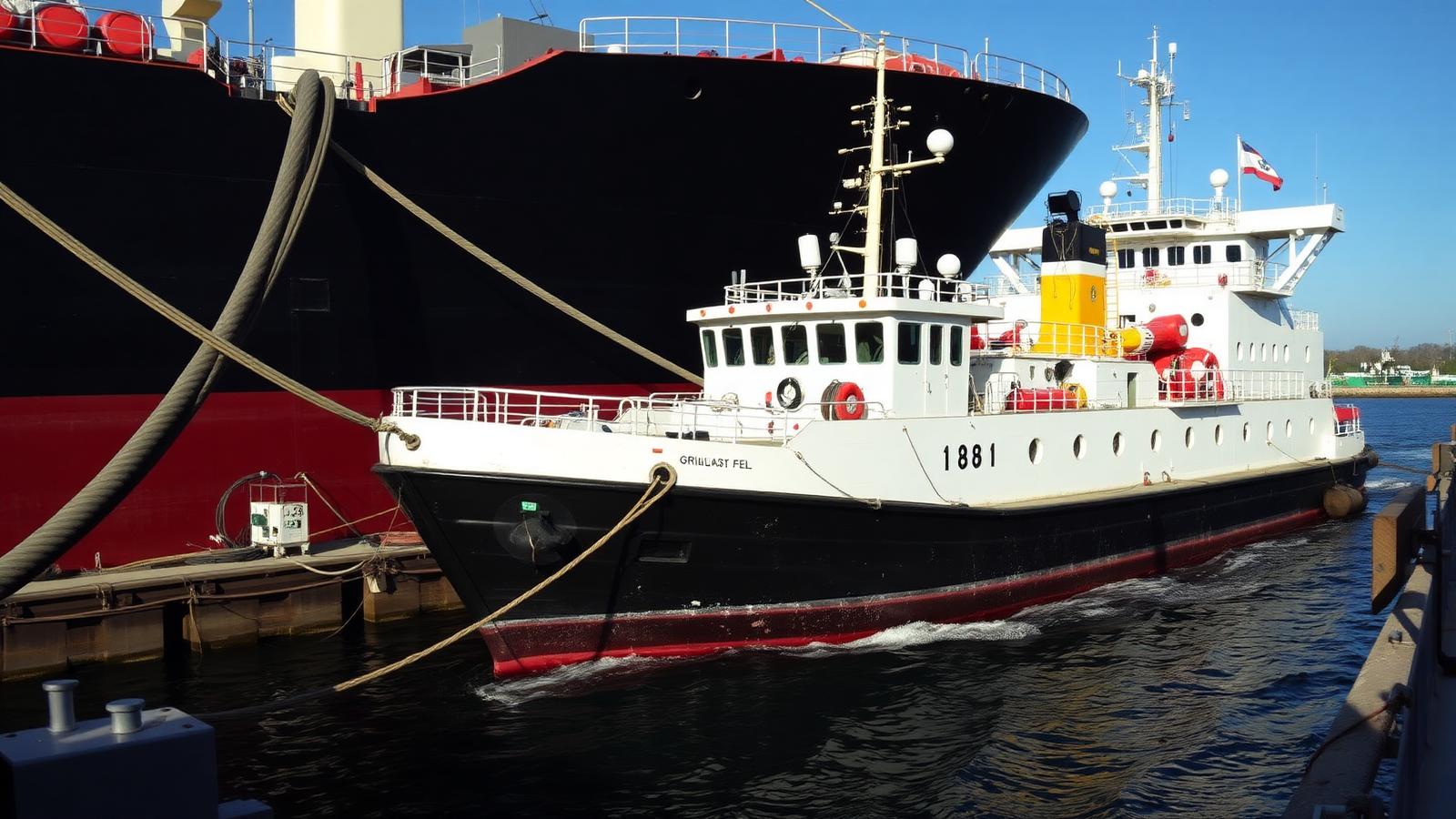
Recent market assessments suggest a decrease in the competitive advantage for B100 (100% Fatty Acid Methyl Ester) and Liquefied Biomethane (LBM) when compared to conventional marine fuels. This development follows a period of price increases observed across these particular alternative fuel categories.
Commodity analysts are noting that the upward movement in the pricing of these bio-derived fuels has impacted their overall attractiveness for vessel operators and bunkering suppliers. The cost dynamic is a primary factor influencing fuel procurement decisions within the shipping industry.
While the maritime sector continues to explore various decarbonization pathways, the relative cost of alternative fuels against traditional fossil fuels remains a critical consideration. Fluctuations in feedstock costs, production expenditures, and supply chain efficiencies can all contribute to the final bunker price.
The current trend suggests that the economic proposition of adopting B100 and LBM may be undergoing reevaluation by some stakeholders. Market participants are likely monitoring these price developments closely as they strategize their fuel procurement and sustainability initiatives.
This shift in pricing could influence short-to-medium term fuel choices, particularly for operators sensitive to immediate operational costs. The broader impact on the uptake rate of these specific alternative fuels will depend on sustained price trends and evolving regulatory frameworks.
- The price competitiveness of B100 has diminished.
- Liquefied Biomethane is also experiencing reduced economic viability.
- Price increases in these bio-derived fuels are cited as the primary driver for this change.
Sourcing & attribution
Reported with reference to Bunkering trade wire. View original report