
The Japanese trading house has invested in a new refrigerated ammonia storage terminal at Gujarat's Port Pipavav, enhancing India's import infrastructure.
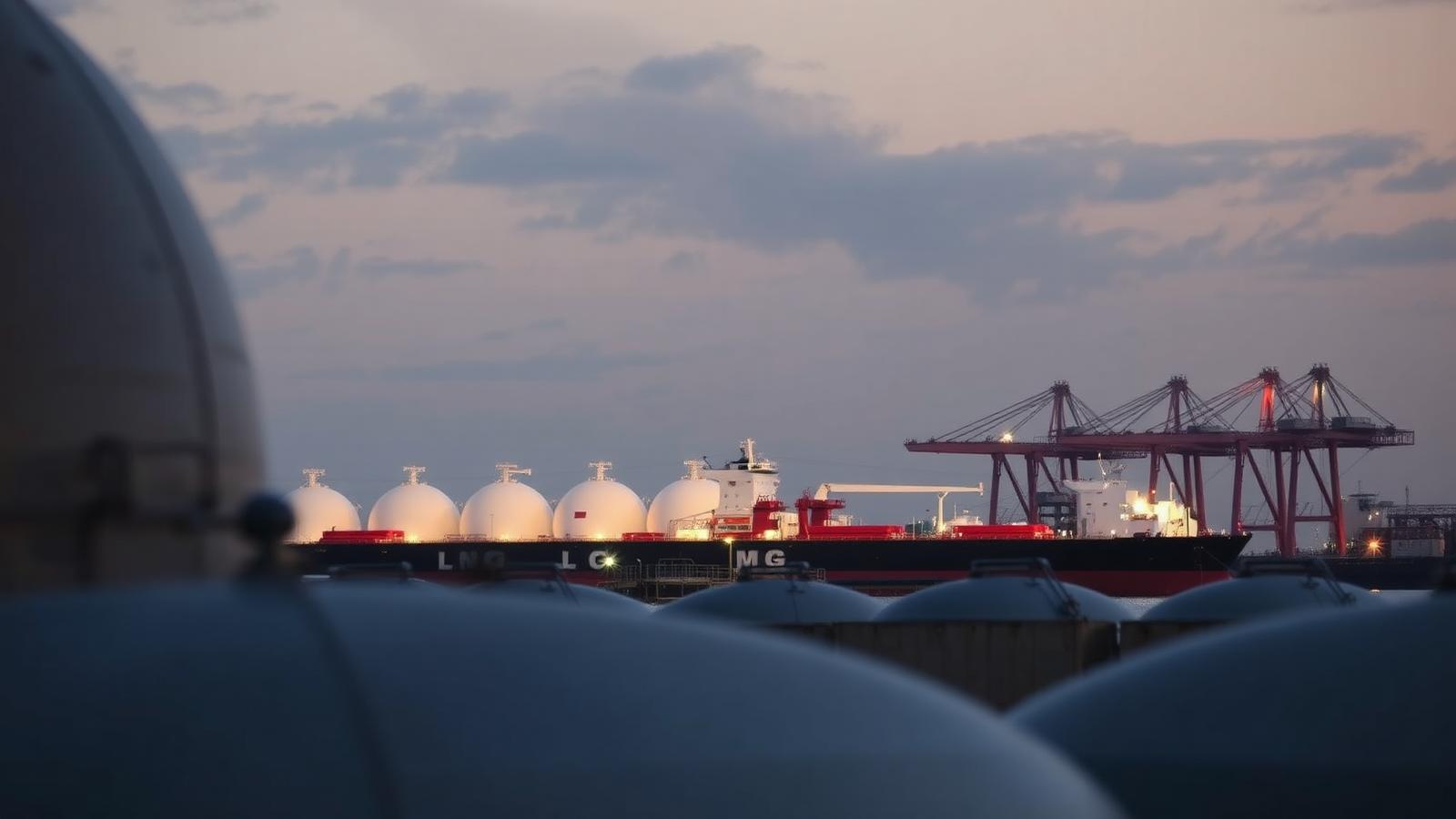
ITOCHU Corporation has completed an investment in a new refrigerated ammonia storage terminal situated at Port Pipavav in Gujarat, India. This strategic move facilitates the expansion of the port's capacity for ammonia imports, a critical component for various industrial applications.
The terminal, currently under construction, is designed to have a storage capacity of 60,000 metric tons. Upon completion, it will become India's largest refrigerated ammonia storage facility. The project aims to improve the efficiency and reliability of ammonia supply chains across the region.
This infrastructure development is particularly significant given the increasing global focus on ammonia as a potential energy carrier. Expanding storage capabilities at key import hubs like Port Pipavav supports India's growing industrial and agricultural demands for ammonia.
Project Scope and Impact
ITOCHU's involvement provides a substantial boost to the terminal project, which will include facilities for unloading, storage, and distribution of refrigerated ammonia. The enhanced infrastructure is expected to streamline logistics for industrial users and agricultural sectors dependent on ammonia derivatives.
The investment underscores a broader trend of international corporations participating in the development of India's port and energy infrastructure. Such collaborations are instrumental in modernizing supply chains and meeting the country's rising commodity requirements. The expanded terminal is poised to play a vital role in regional trade and industrial growth.
This project reflects ongoing efforts to strengthen India's position as a major importer and consumer of essential industrial chemicals. The added storage capacity at Pipavav is designed to improve operational resilience and reduce potential bottlenecks in the supply of ammonia.
Sourcing & attribution
Reported with reference to Google News syndication. View original report