
Ahti Climate and DNV Streamline FuelEU Emissions Reporting Integration
A new collaboration between Ahti Climate and DNV aims to enhance efficiency for shipping companies managing FuelEU Maritime compliance through direct data integration.
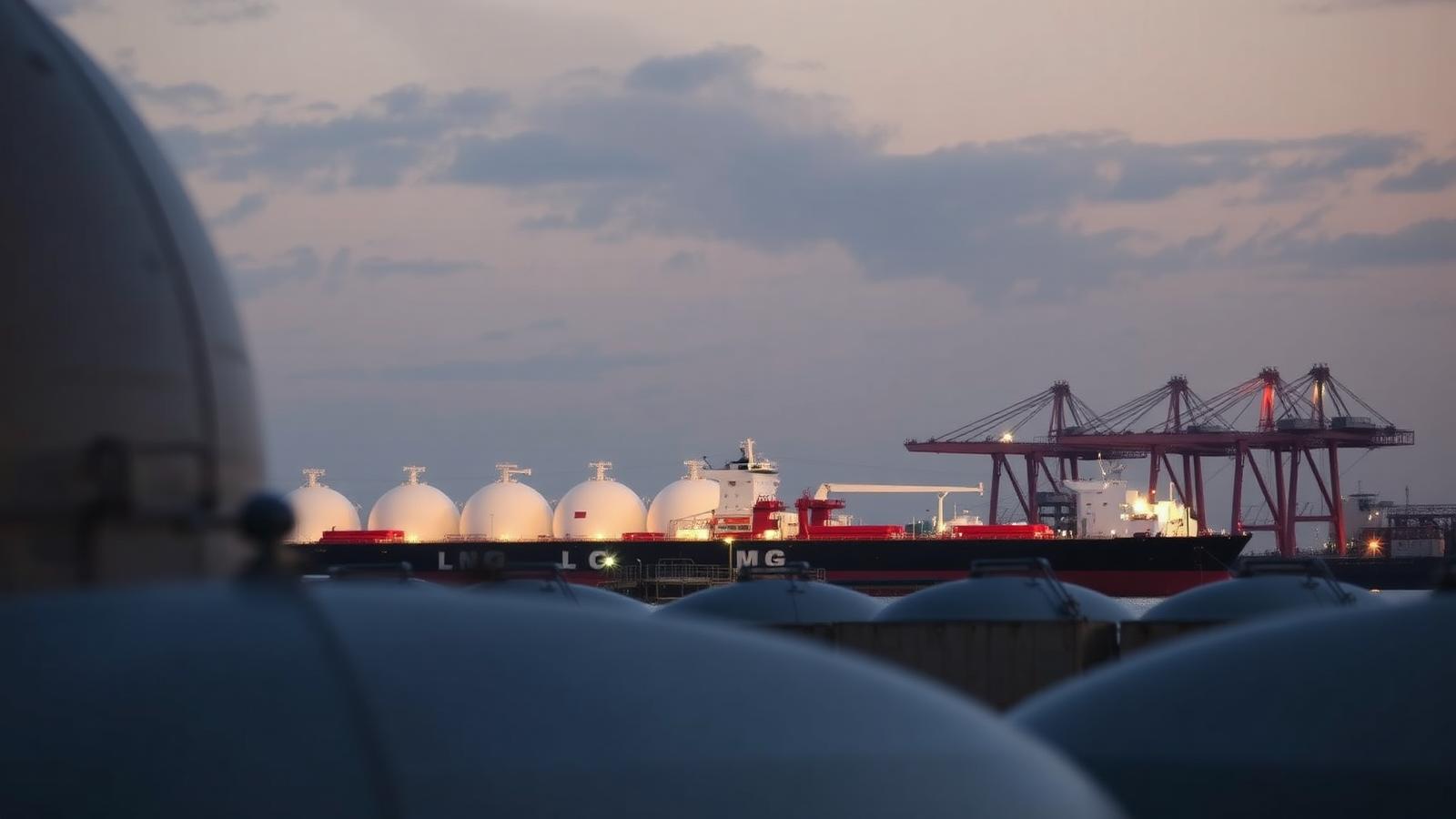
Ahti Climate has announced an integration designed to connect its FuelEU pooling platform with DNV’s emissions verification services. This development seeks to streamline the process of managing and reporting verified emissions data required under FuelEU Maritime regulations.
The integration specifically links Ahti Climate's platform with DNV's Veracity ecosystem. The objective is to facilitate the direct flow of verified emissions data, thereby reducing the need for manual data handling and associated administrative tasks for shipping companies.
FuelEU Maritime introduces new requirements for the shipping industry regarding greenhouse gas emissions. Compliance necessitates robust data collection, accurate reporting, and independent verification of emissions. This collaborative effort addresses these operational challenges by automating aspects of the data transfer process.
Shipping companies utilizing both Ahti Climate's platform for emissions pooling and DNV's verification services can expect a more consolidated approach to their compliance obligations. The integration aims to reduce the potential for errors associated with manual data entry and expedite the overall reporting cycle.
The development focuses on improving the user experience for vessel operators by offering a more efficient pathway from data generation to verified submission. This type of technological connection supports the broader industry trend towards digital solutions for regulatory compliance.
Industry Impact
This integration provides a direct pathway for verified emissions data from DNV's verification services into Ahti Climate's FuelEU pooling platform. The primary benefit for shipping companies is the reduction of manual administrative workload associated with FuelEU Maritime compliance. By automating the transfer of verified data, the system aims to enhance data accuracy and operational efficiency, which can be critical for timely and correct regulatory submissions.
What it means
For commodity traders and shipowners, this development signifies a step towards more efficient and less resource-intensive FuelEU Maritime compliance. The direct data flow between verification and pooling platforms can reduce operational overhead and mitigate risks associated with manual reporting errors. It underscores the increasing importance of digital integration in navigating complex environmental regulations, potentially freeing up resources that would otherwise be spent on administrative tasks.
Related topics
- Emissions Reporting
- Shipping Compliance
- DNV
- Ahti Climate
- Veracity
- Maritime Regulations
Sourcing & attribution
Reported with reference to Manifold Times. View original report
This article is an original Atlas summary produced under our editorial policy with AI drafting assistance and human editorial review. Spotted an error? Request a correction.

Elena Marchetti
Elena Marchetti covers commodity and energy market structure, benchmarks and trade flows for Atlas Commodity Group. She edits the publication's daily market intelligence coverage.