
Analysis Suggests Nigerian Petrol Could Be Priced at N200 Per Litre Without Subsidy
Recent commentary highlights potential market pricing for petrol in Nigeria, raising questions about current subsidy frameworks and their impact on energy markets.
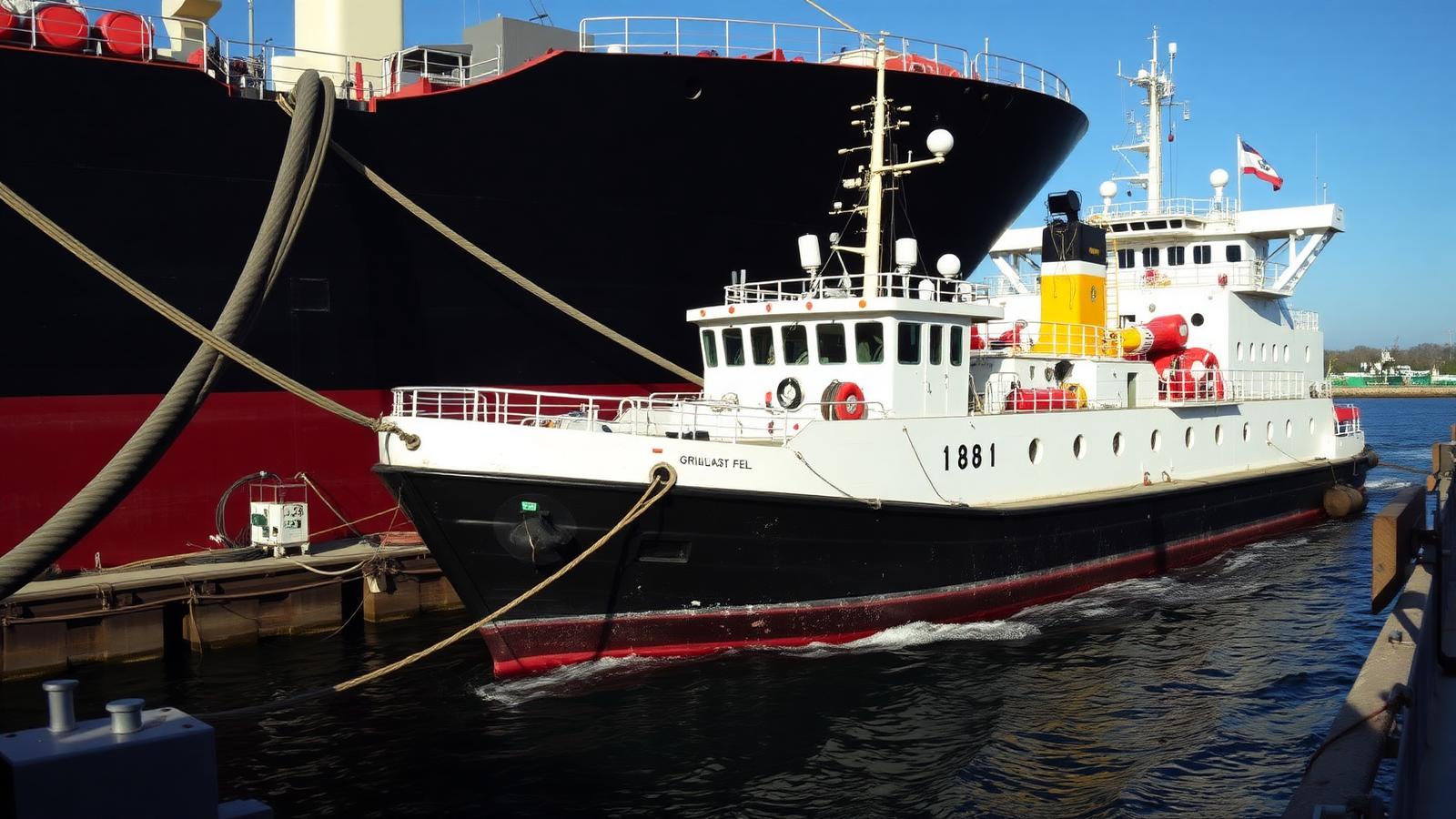
Discussions within Nigerian energy circles have recently focused on the potential market-reflective price of petrol. An analysis suggests that petrol could be retailed at approximately 200 Nigerian Naira per litre, a figure that has emerged amidst ongoing debates regarding the country's fuel subsidy policies.
This price point represents a significant shift from current regulated prices, implying a substantial adjustment in the domestic fuel market. Such a change would impact various stakeholders, including consumers, distributors, and the broader economy, by aligning local prices more closely with international crude benchmarks and refining costs.
The premise behind the N200 per litre figure is rooted in an evaluation of the actual costs associated with importing and distributing refined petroleum products. These costs typically encompass crude oil procurement, refining, shipping, port charges, distribution logistics, and retailer margins, all contributing to the final pump price.
The ongoing discourse surrounding fuel subsidies in Nigeria centers on their economic viability and long-term sustainability. Subsidies, while intended to cushion consumers from price volatility, often lead to significant government expenditure, potentially diverting funds from other critical sectors.
Implications for Nigeria's Downstream Sector
Removing or significantly adjusting fuel subsidies could foster greater transparency and competition within Nigeria's downstream petroleum sector. It would allow market forces to dictate pricing, which proponents argue could encourage private investment in local refining capacity and reduce the reliance on imported products.
Such a move would also alleviate pressure on government finances, potentially freeing up resources for infrastructure development, education, or healthcare. However, the social and economic impacts on the population, particularly low-income earners, would require careful consideration and potential mitigation strategies.
Broader Market Context
The pricing of petroleum products in Nigeria is a critical component of its energy policy, given the country's position as a major oil producer. The structure of domestic fuel prices influences not only consumer spending but also the operational costs for industries across various sectors, including transportation and manufacturing.
Debates around fuel pricing and subsidies are not unique to Nigeria, with many oil-producing nations grappling with similar challenges. The balance between affordable energy for citizens and sustainable economic policies remains a complex issue for governments worldwide.
Related topics
- Petrol Pricing
- Energy Policy
- Downstream Sector
- Commodity Markets
- Africa Energy
Sourcing & attribution
Reported with reference to Reuters. View original report
This article is an original Atlas summary produced under our editorial policy with AI drafting assistance and human editorial review. Spotted an error? Request a correction.

Elena Marchetti
Elena Marchetti covers commodity and energy market structure, benchmarks and trade flows for Atlas Commodity Group. She edits the publication's daily market intelligence coverage.
