Asian Port Congestion Drives Container Rate Increases, USG Tanker Rates Ease
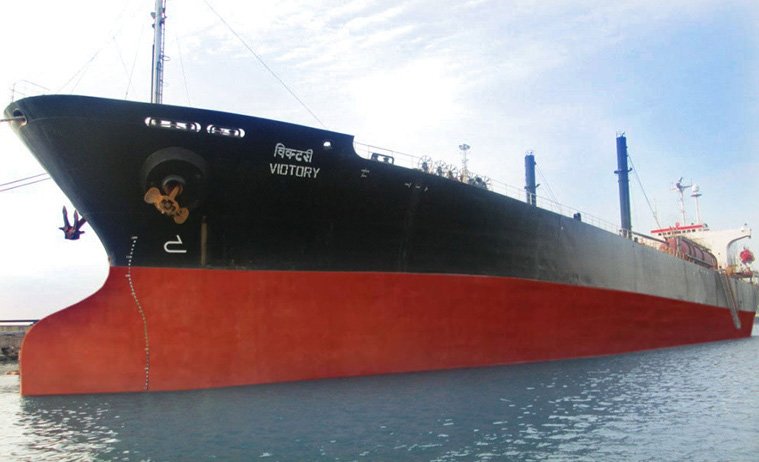
Container shipping rates from East Asia and China to the United States saw upward movement this week, while tanker rates originating from the US Gulf experienced softening. These market shifts coincide with intensifying port congestion in Asia, contributing to a decline in global schedule reliability.

Container shipping rates for routes connecting East Asia and China to the United States have largely trended higher over the past week. This upward movement in container freight costs reflects current market conditions on these specific trade lanes.
Conversely, the rates for liquid chemical tankers departing from the US Gulf region have mostly eased during the same period. This indicates a different supply-demand dynamic at play within the chemical tanker segment operating out of this export hub.
These divergent rate movements are occurring against a backdrop of increasing port congestion across various Asian locations. Intensified congestion at these key maritime gateways is impacting the efficiency of global shipping operations.
The broader consequence of this congestion is a measurable decrease in global container vessel schedule reliability. Data for July 2026 indicates a decline in on-time performance for container ships worldwide.
This reduction in schedule reliability poses operational challenges for logistics planners and supply chain managers. Delays stemming from port congestion can lead to extended transit times and potential disruptions in cargo delivery.
Container Market Dynamics
The observed increase in container rates from Asia to the US suggests a robust demand environment or constrained capacity on these specific routes. Market participants are responding to the operational hurdles presented by port congestion, which can effectively reduce available shipping capacity.
For shippers utilizing these trans-Pacific routes, the current trend indicates higher transportation costs. The sustained congestion in Asian ports remains a significant factor influencing pricing and logistical planning for goods destined for the American market.
Liquid Chemical Tanker Trends
The softening of liquid chemical tanker rates from the US Gulf points to potential shifts in market supply or demand for these specialized vessels. Factors such as cargo availability, vessel positioning, and overall market sentiment for chemical products influence these rates.
This development suggests a more favorable environment for charterers seeking to move liquid chemical cargoes from the US Gulf at potentially lower costs. The dynamics in this segment appear distinct from the challenges currently observed in the container sector.
What it means
For commodity traders and shipowners, the current market signals a continued bifurcation in shipping sector performance. Rising container rates from Asia to the US, driven by port congestion and reduced schedule reliability, suggest higher costs for importing finished goods and intermediate products. This could influence pricing strategies and inventory management for commodities reliant on containerized shipping. Conversely, the softening of US Gulf liquid chemical tanker rates may present opportunities for advantageous chartering for petrochemical and related commodity exports. Monitoring port congestion metrics, particularly in Asia, will be critical for anticipating further rate fluctuations and managing supply chain risks across various commodity classes.
Related topics
- Container Rates
- Tanker Rates
- Shipping Reliability
- Trade Routes
- Supply Chain
Sourcing & attribution
Reported with reference to Hellenic Shipping News Worldwide. View original report
This article is an original Atlas summary produced under our editorial policy with AI drafting assistance and human editorial review. Spotted an error? Request a correction.
Elena Marchetti
Elena Marchetti covers commodity and energy market structure, benchmarks and trade flows for Atlas Commodity Group. She edits the publication's daily market intelligence coverage.
Related coverage