
Boxship 'Digul Mas' Utilises LNG Tank Swapping System on Inaugural Journey
A containership has employed a novel LNG fuel tank-swapping model during its maiden voyage, potentially offering operational flexibility for gas-powered vessels.
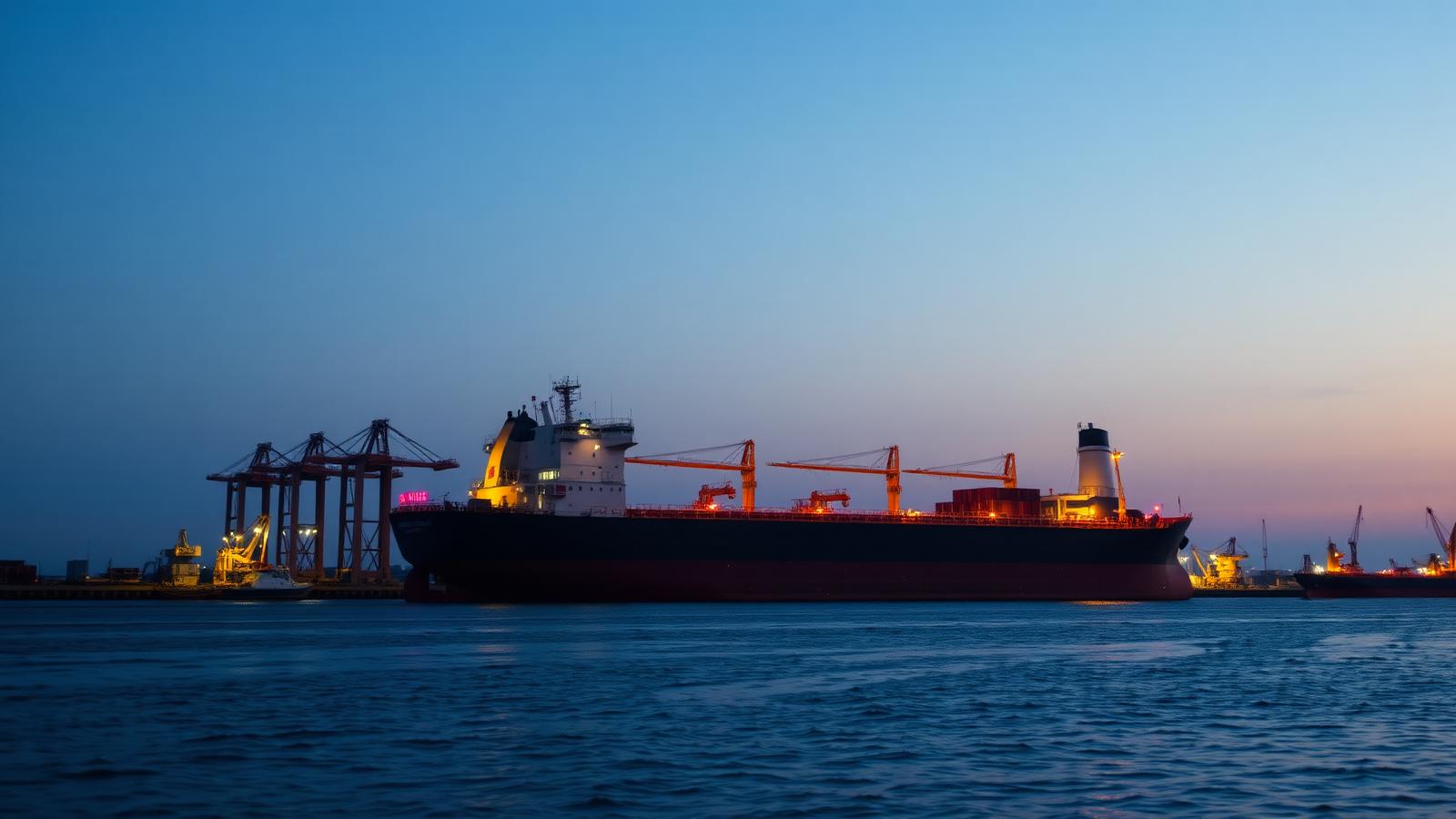
The boxship 'Digul Mas' recently completed its initial transit, reportedly utilizing an innovative liquefied natural gas (LNG) fuel tank-swapping system. This operational approach seeks to address certain logistical challenges associated with LNG bunkering, particularly for vessels operating in regions with developing infrastructure.
This method involves the exchange of empty LNG fuel tanks for pre-filled units. Such a system could provide an alternative to conventional ship-to-ship or truck-to-ship bunkering operations, which often require dedicated infrastructure and specific port arrangements. The 'Digul Mas' application marks a notable instance of this model being implemented for a commercial vessel.
The deployment of a tank-swapping system aims to enhance the efficiency of LNG refuelling processes. By minimizing the time and resources typically required for bunkering, vessels could potentially reduce port stays and maintain more consistent sailing schedules. This operational model also offers a degree of independence from established bunkering facilities.
This system is designed to allow for flexible fuel replenishment without relying on large-scale bunkering infrastructure, which can be limited in certain maritime routes. The availability of pre-filled tanks at strategic locations would be central to the successful execution of such a strategy, enabling quicker turnaround times for fuel management.
The 'Digul Mas' is understood to be the first vessel of its kind to adopt this particular LNG fuel tank-swapping model. Its maiden voyage demonstrated the practical application of this system in a real-world shipping environment, providing initial insights into its operational viability and potential benefits for the maritime sector seeking alternative fuelling solutions.
Operational Implications for LNG-Fueled Fleet
The implementation of a tank-swapping model by the 'Digul Mas' offers a case study for maritime operators considering LNG as a marine fuel. The system's ability to facilitate quicker refuelling could be particularly attractive for vessels on tight schedules or those calling at ports where conventional LNG bunkering options are less developed or unavailable. This approach might also mitigate some of the initial capital investment pressures associated with establishing fixed bunkering infrastructure.
The adoption of such a system highlights ongoing efforts within the shipping industry to diversify LNG fuel supply methods. As the global fleet of LNG-powered vessels expands, innovative solutions for fuel delivery and management become increasingly important. The tank-swapping model contributes to the spectrum of choices available to shipowners and charterers in optimizing their LNG fuel supply chains.
What it means
For commodity traders and shipowners, the use of an LNG tank-swapping model by the 'Digul Mas' signals an evolution in marine fuel logistics. This system could reduce reliance on traditional bunkering hubs, potentially opening new routes or increasing operational flexibility for LNG-fueled vessels. It suggests a future where LNG fuel procurement could become more agile, impacting vessel scheduling, fuel purchasing strategies, and the development of supporting infrastructure in nascent LNG bunkering markets.
Related topics
- Boxship
- Marine Fuel
- Tank Swapping
- Shipping Logistics
- CIMC Enric
Sourcing & attribution
Reported with reference to Manifold Times. View original report
This article is an original Atlas summary produced under our editorial policy with AI drafting assistance and human editorial review. Spotted an error? Request a correction.
Elena Marchetti
Elena Marchetti covers commodity and energy market structure, benchmarks and trade flows for Atlas Commodity Group. She edits the publication's daily market intelligence coverage.