Bunker Spill Reported Near Singapore's Eastern Anchorage
Ocean Tankers has confirmed a bunker spill incident in the vicinity of the East Singapore anchorage. Details regarding the extent of the spill or cleanup operations were not immediately available.
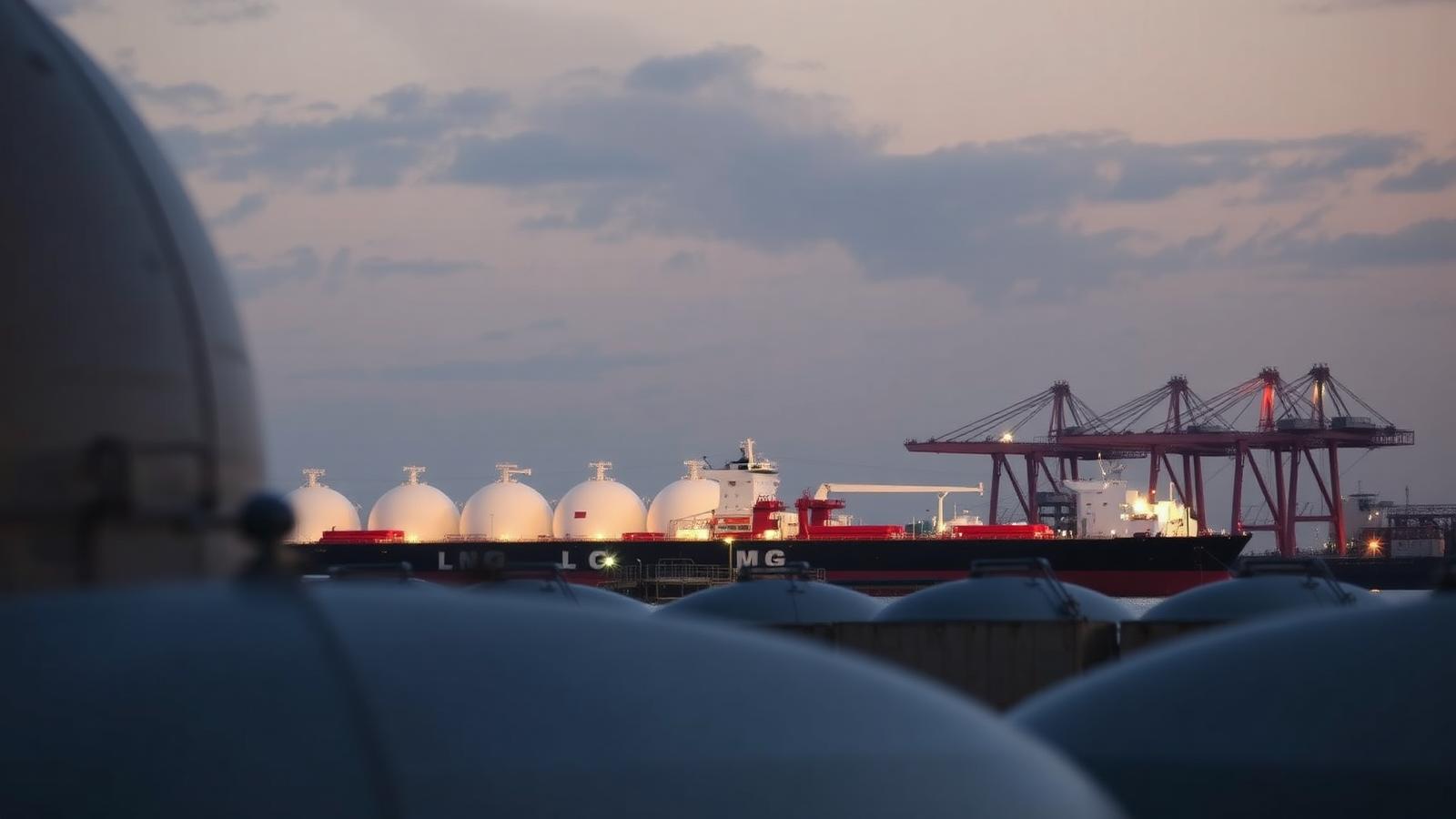
Ocean Tankers has acknowledged an incident involving a bunker spill. The event occurred within the operational area of the East Singapore anchorage. Further specifics about the nature or size of the discharge were not provided in the company's communication.
The East Singapore anchorage is a significant maritime hub, crucial for bunkering operations, ship transfers, and waiting for port calls. Its strategic location makes it a high-traffic zone for various vessel types, including tankers and bulk carriers.
Bunkering operations are a routine part of maritime trade, involving the transfer of fuel from a bunker vessel to another ship. These procedures require strict adherence to safety protocols and environmental regulations to prevent accidental discharges.
Incident Context
Singapore maintains stringent regulations concerning marine pollution. The Maritime and Port Authority of Singapore (MPA) oversees these regulations and typically investigates any reported spills to assess their impact and ensure appropriate response measures are taken. The port's waters are frequently monitored due to the high volume of shipping traffic.
Marine spills, regardless of their scale, necessitate a coordinated response involving immediate containment and subsequent cleanup efforts. The specific type of bunker fuel involved, its viscosity, and weather conditions are all factors that can influence the difficulty and duration of such operations. Industry best practices emphasize rapid deployment of response equipment to mitigate environmental impact.
Operators involved in bunkering activities are generally required to have emergency response plans in place. These plans detail procedures for managing spills, including equipment deployment, notification protocols, and waste management. The incident highlights the ongoing need for vigilance in all maritime fuel transfer operations within busy port areas.
Operational Implications
Incidents of this nature can lead to temporary disruptions in localised maritime activities, depending on the scale and location of the spill. Authorities often issue navigational warnings to vessels in the affected area to ensure safety and facilitate cleanup work. The long-term implications for shipping traffic typically depend on the severity of the incident and the effectiveness of the cleanup.
Marine bunker spills are subject to international conventions and local regulations aimed at protecting the marine environment. These frameworks define responsibilities for reporting, containment, and remediation. The confirmed spill underscores the inherent risks associated with high-volume fuel transfers in active shipping lanes.
What it means
For commodity traders and shipowners, a confirmed bunker spill in a key hub like Singapore's eastern anchorage reinforces the importance of operational due diligence and robust risk management. While details are scarce, such events can lead to heightened scrutiny of bunkering practices, potentially influencing compliance costs or operational procedures in the future. For shipowners, it underscores the need for thorough vetting of bunker suppliers and adherence to best practices during fuel transfers. Traders may monitor for any broader implications on fuel availability or pricing if port operations are significantly affected, although immediate large-scale impact is typically localized.
Related topics
- Singapore
- Ocean Tankers
- Maritime Safety
- Bunkering
- Port Operations
Sourcing & attribution
Reported with reference to Bunkering trade wire. View original report
This article is an original Atlas summary produced under our editorial policy with AI drafting assistance and human editorial review. Spotted an error? Request a correction.

Elena Marchetti
Elena Marchetti covers commodity and energy market structure, benchmarks and trade flows for Atlas Commodity Group. She edits the publication's daily market intelligence coverage.