
Bunker Supply Dynamics Shift with Local Fish Activity
Observations in coastal waters indicate a notable presence of small bunker fish, potentially influencing regional fuel oil bunkering operations.
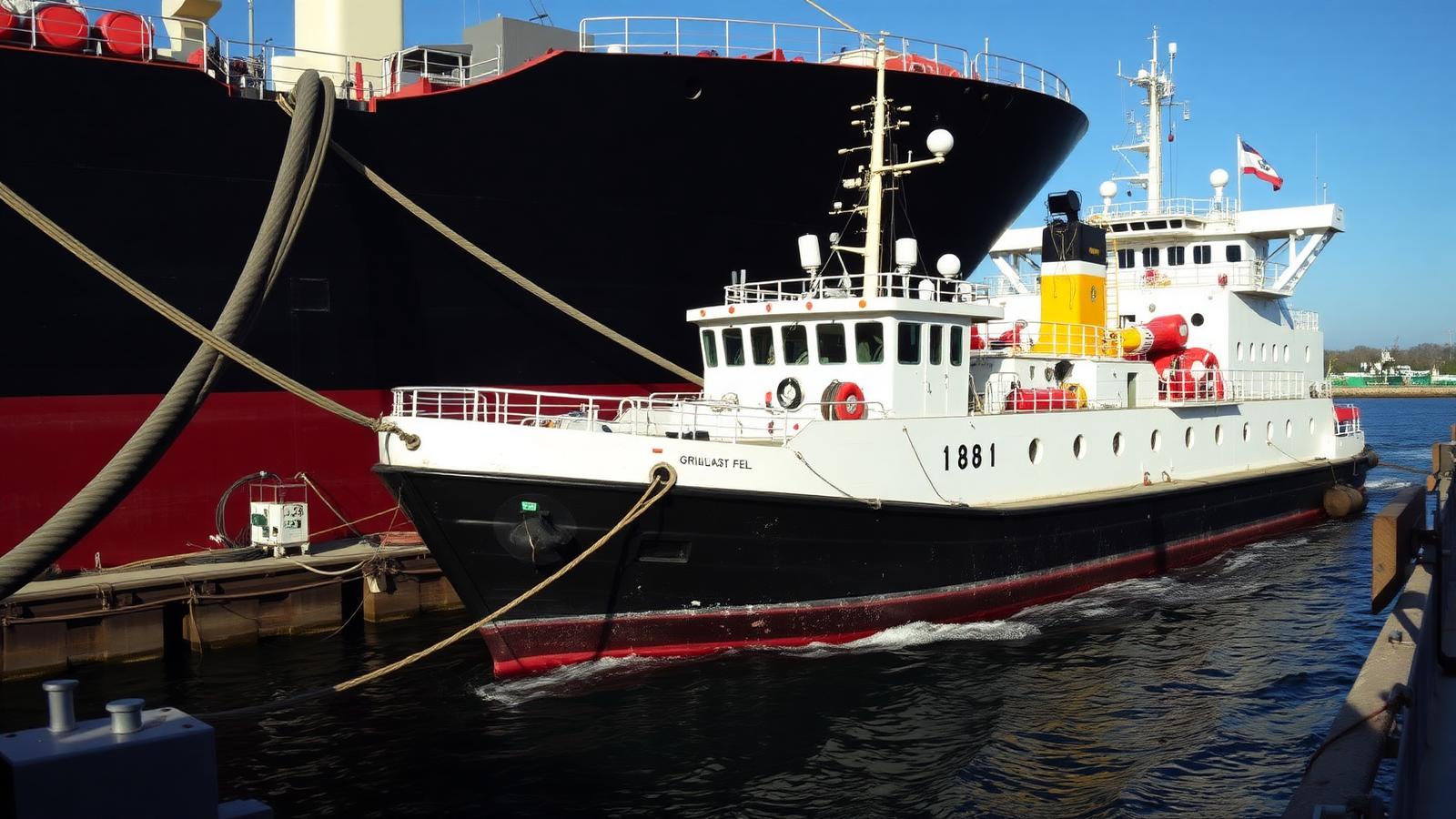
Recent observations in specific coastal regions highlight a significant and extensive presence of what are colloquially referred to as 'peanut bunker' fish. These smaller fish are reported to be abundant, often forming dense aggregations close to the shore. This natural phenomenon, while primarily biological, can have peripheral implications for maritime activities, including vessel movements and port operations in affected areas.
The activity of these small fish appears to be concentrated in nearshore environments. Their schooling behavior and proximity to land are characteristics that, when widespread, could potentially impact navigation channels or shallow draft vessel operations. Monitoring such environmental factors is part of broader operational awareness for maritime stakeholders.
The term 'bunker' itself, though commonly associated with marine fuels, here refers to a specific type of forage fish. The presence of these fish is a recurring seasonal event in certain ecosystems. Their aggregations are a natural part of the marine food chain and ecosystem dynamics.
Operational Considerations for Maritime Transport
For the maritime sector, particularly those involved in bunkering and port logistics, understanding local environmental conditions is key. While the direct impact of fish populations on fuel supply is minimal, large-scale natural phenomena near port areas can sometimes necessitate adjustments to vessel scheduling or transit paths to avoid interference or ensure environmental compliance. The extensive nature of these fish schools, as observed, warrants consideration for local operators.
Fuel oil bunkering operations are highly sensitive to logistical efficiency and environmental factors. Any localized conditions that might affect vessel access to bunkering points, transit within harbors, or the general maritime environment are typically monitored by port authorities and service providers. The current fish activity serves as an example of localized environmental data that contributes to the overall operational picture.
Broader Market Context
While the primary focus of this observation is on localized environmental conditions, the overarching context for the commodity market remains stable. Global fuel oil prices and supply chain integrity are determined by macro-economic factors, geopolitical events, and crude oil benchmarks. Localized natural occurrences, such as significant fish populations, typically have a contained influence on specific maritime operations rather than broader market pricing or supply availability.
However, for individual shipowners and bunkering companies operating within the affected coastal regions, a heightened awareness of these conditions allows for proactive planning. This might include assessing potential delays for smaller vessels or coordinating with local port services to ensure smooth operations amidst the natural marine activity. Adaptability to such local environmental shifts is a component of resilient maritime logistics.
- Nearshore abundance of 'peanut bunker' fish reported.
- Potential for localized impact on vessel movements and shallow draft operations.
- Maritime operators typically monitor environmental conditions for operational planning.
Related topics
- Maritime Operations
- Coastal Shipping
- Fuel Oil Logistics
- Port Operations
- Environmental Factors
Sourcing & attribution
Reported with reference to Bunkering trade wire. View original report
This article is an original Atlas summary produced under our editorial policy with AI drafting assistance and human editorial review. Spotted an error? Request a correction.

Elena Marchetti
Elena Marchetti covers commodity and energy market structure, benchmarks and trade flows for Atlas Commodity Group. She edits the publication's daily market intelligence coverage.
Related coverage