
DHT Holdings Reports Consistent Tanker Market Performance
Tanker operator DHT Holdings navigates a dynamic freight market, with recent performance reflecting prevailing conditions.
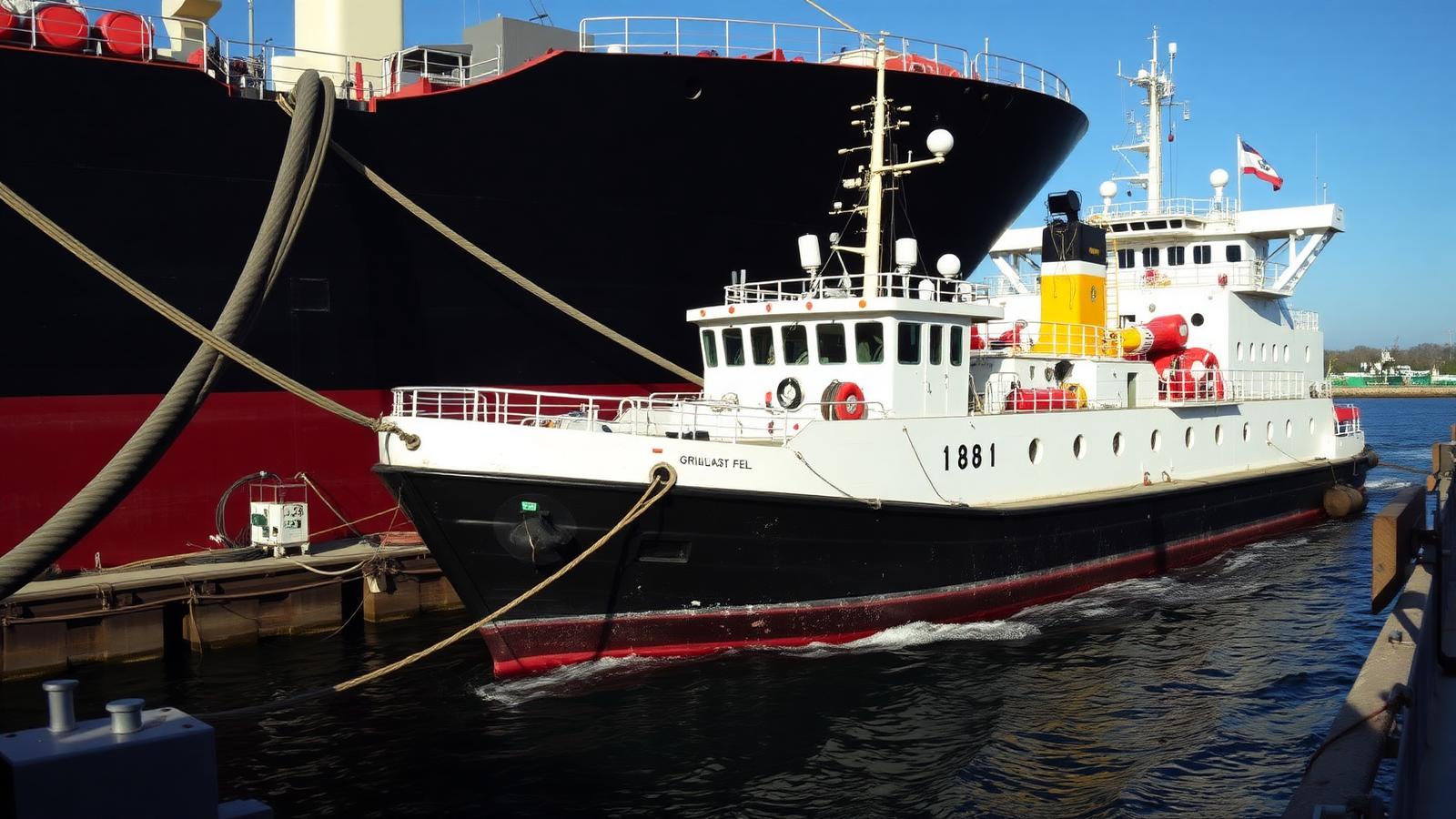
DHT Holdings, a company involved in the crude oil tanker sector, continues to operate within the established parameters of the freight market. The company's operational profile primarily focuses on Very Large Crude Carriers (VLCCs), which are integral to global crude oil transportation.
The tanker industry periodically experiences fluctuations in spot rates, influenced by various global economic and geopolitical factors. These rate changes directly impact the revenue streams of tanker operators, including DHT Holdings, as their vessels secure employment on either spot market voyages or through time charters.
Time charters offer a degree of revenue stability over defined periods, contrasting with the more volatile nature of spot market earnings. DHT Holdings employs a strategy involving both types of charters to manage its fleet and optimize returns, adapting to prevailing market conditions for its VLCC fleet.
While the company's financial performance is intrinsically linked to the tanker market's dynamics, operational efficiency and fleet management also play a role in its overall results. The global demand for crude oil transportation underpins the fundamental business model for companies like DHT Holdings.
The crude oil tanker market is characterized by its capital intensity and exposure to global trade patterns. Operators must continually assess vessel utilization, maintenance schedules, and chartering strategies to maintain competitive positioning within this environment.
Fleet Operations
DHT Holdings maintains a fleet primarily consisting of Very Large Crude Carriers. These vessels are designed for long-haul transportation of large volumes of crude oil, connecting major oil-producing regions with consumption centers worldwide. The operational deployment of these vessels is a key component of the company's business model.
The strategic allocation of vessels between spot market employment and longer-term time charters is a continuous process for tanker operators. This approach aims to balance immediate market opportunities with sustained revenue generation, reflecting a responsive strategy to market shifts.
What it means
For commodity traders and shipowners, DHT Holdings' consistent operation within the VLCC sector indicates continued participation in the global crude oil supply chain. The balance of spot and time charter activity provides insights into market sentiment and anticipated rate trends. Shipowners may observe the company's fleet deployment for benchmarks in vessel utilization and chartering strategies, while traders monitor the broader tanker market as a key component of crude oil logistics and pricing.
Related topics
- DHT Holdings
- VLCC
- Crude Oil
- Shipping
- Spot Rates
- Time Charters
Sourcing & attribution
Reported with reference to Google News syndication. View original report
This article is an original Atlas summary produced under our editorial policy with AI drafting assistance and human editorial review. Spotted an error? Request a correction.

Elena Marchetti
Elena Marchetti covers commodity and energy market structure, benchmarks and trade flows for Atlas Commodity Group. She edits the publication's daily market intelligence coverage.