
Digital Content Depicts Simulated Iran Oil Terminal Attack
A digitally generated video depicting a simulated attack on an Iranian oil terminal has been observed online, raising discussions regarding geopolitical implications and the role of synthetic media.
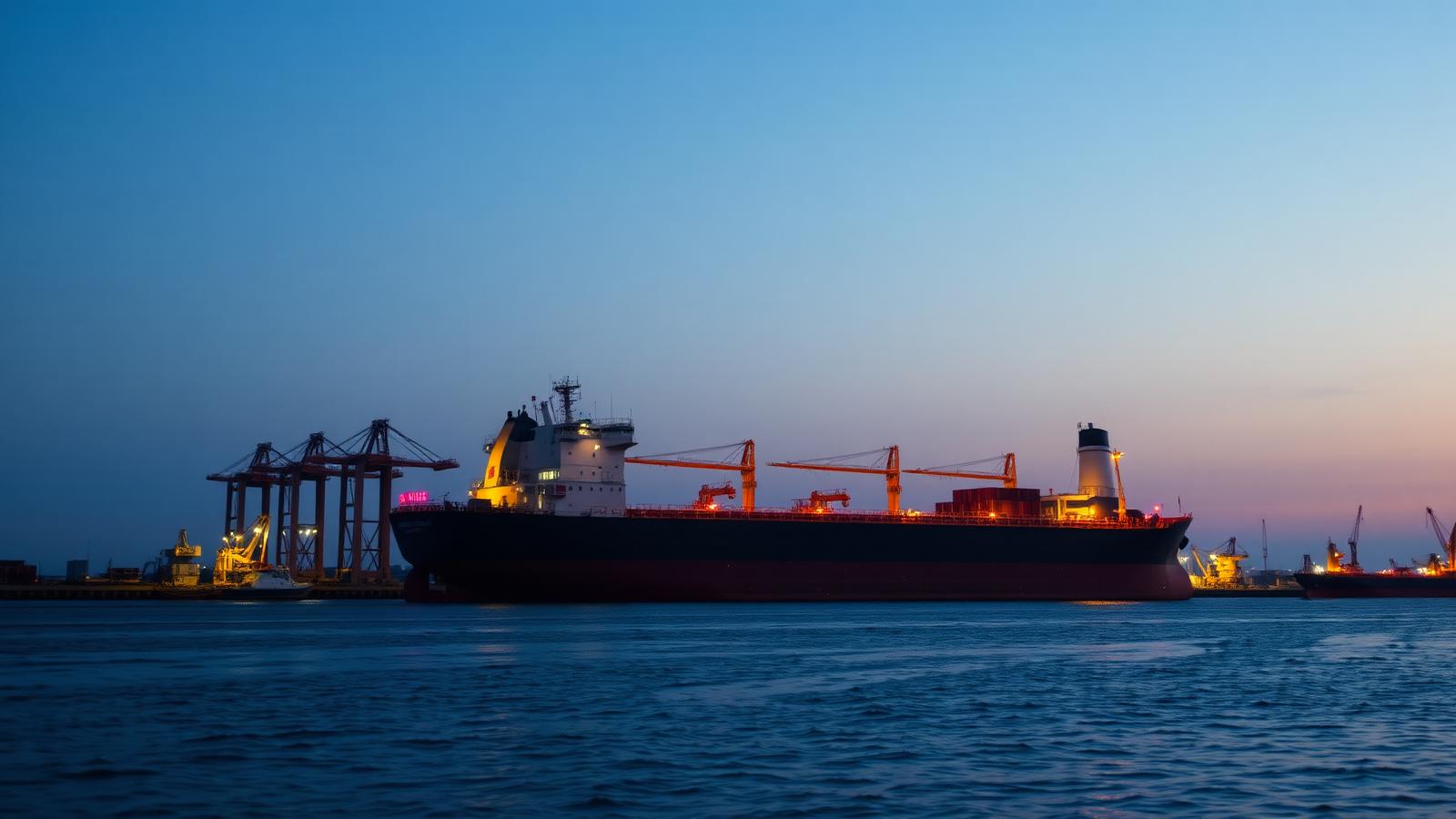
The appearance of a digitally created video, simulating an attack on an oil terminal in Iran, has drawn attention within geopolitical circles. This video, which circulated on social media platforms, portrays a hypothetical scenario involving strategic infrastructure in the region.
The content of the video specifically illustrates the targeting and destruction of facilities typically associated with crude oil storage and export operations. Such simulations, while digital, can be interpreted in various ways by market participants and observers of international relations.
Oil terminals, crucial components of the global energy supply chain, serve as key points for the storage and shipment of petroleum products. Any perceived threat or disruption to these facilities, even in a simulated context, can contribute to broader discussions on supply security.
The nature of the video, being an artificial intelligence-generated simulation, underscores the evolving landscape of digital media and its potential application in political and strategic communications. The capability to create realistic digital portrayals of complex events is advancing.
This instance highlights the increasing prevalence of synthetic media in public discourse. The use of AI to generate visual content presents both opportunities and challenges for verifying information and understanding the intent behind its dissemination.
The simulation focuses on infrastructure critical to Iran's oil export capabilities. The Strait of Hormuz, a vital maritime chokepoint for global oil transit, is geographically proximate to Iran's main oil terminals, making any scenario involving these assets of particular interest to energy markets.
The context of such videos often sparks conversations among analysts about potential risks to energy infrastructure in sensitive geopolitical areas. The stability of oil-producing regions is a continuous concern for the global commodity trading community.
- The video depicted a simulated attack on an Iranian oil terminal.
- Content was generated using artificial intelligence (AI).
- The simulation showed the targeting and destruction of terminal facilities.
Geopolitical and Market Context
The emergence of digitally simulated scenarios involving critical energy infrastructure reflects ongoing geopolitical sensitivities. The Persian Gulf region, central to global oil supply, is frequently subject to scrutiny regarding potential disruptions, whether real or conceptual. Market analysts often monitor any information, including simulated events, that could hint at future supply chain vulnerabilities or geopolitical tensions.
What it means
For commodity traders and shipowners, the presence of such simulated content, even without direct real-world implications, contributes to the overall risk perception associated with the Middle East energy corridor. While not indicating an imminent event, it serves as a reminder of the geopolitical backdrop against which oil and shipping markets operate, potentially influencing sentiment regarding regional stability and the security of maritime routes and energy assets.
Related topics
- AI Simulation
- Geopolitical Risk
- Commodity Markets
- Energy Infrastructure
- Shipping Security
Sourcing & attribution
Reported with reference to Google News syndication. View original report
This article is an original Atlas summary produced under our editorial policy with AI drafting assistance and human editorial review. Spotted an error? Request a correction.
Elena Marchetti
Elena Marchetti covers commodity and energy market structure, benchmarks and trade flows for Atlas Commodity Group. She edits the publication's daily market intelligence coverage.