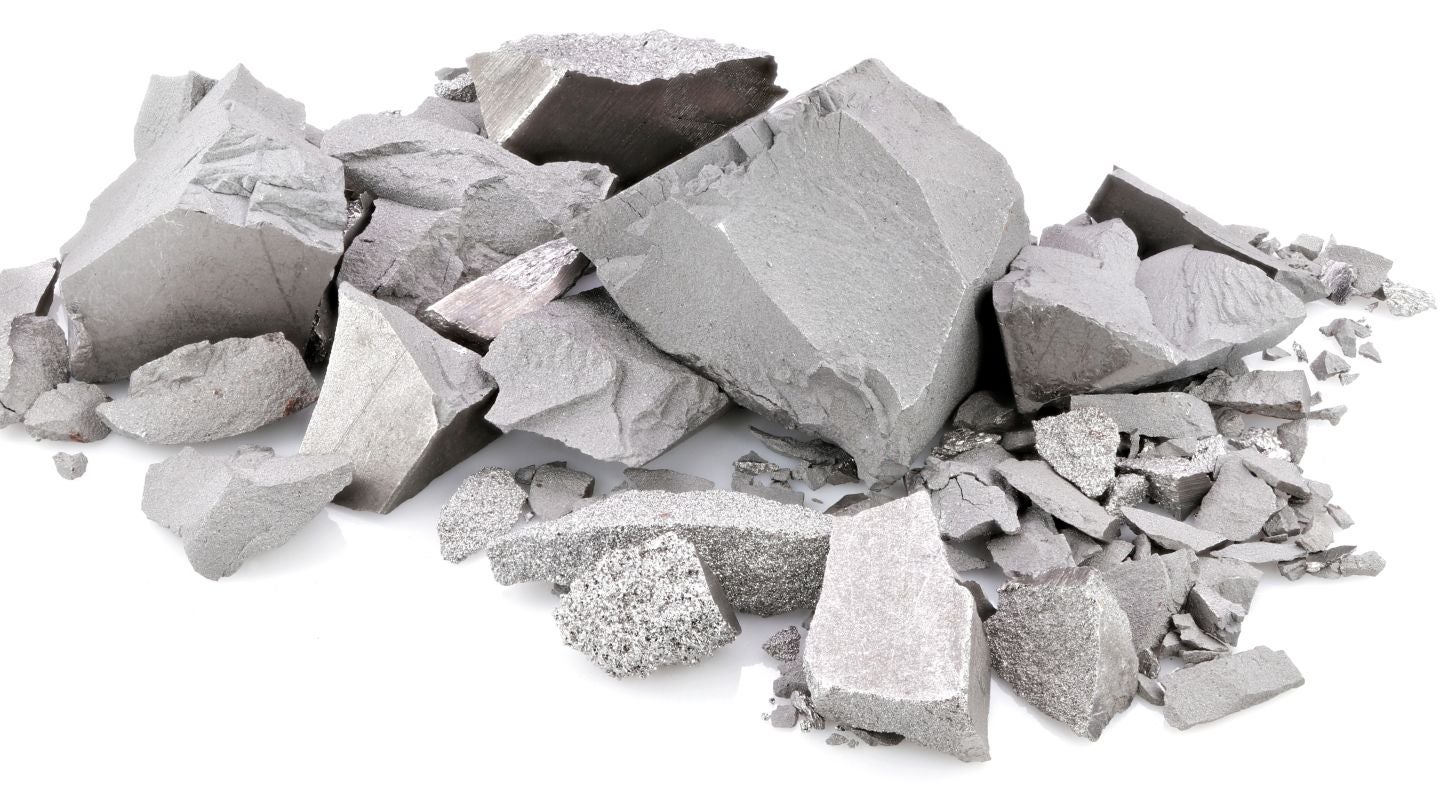
Digital Integration Enhances Comminution Visibility and Control in Mining
The mining sector is increasingly leveraging digital technologies to optimize comminution processes, leading to improved operational oversight and enhanced control over crushing capabilities. Effective integration of these advancements remains a key factor for operators.
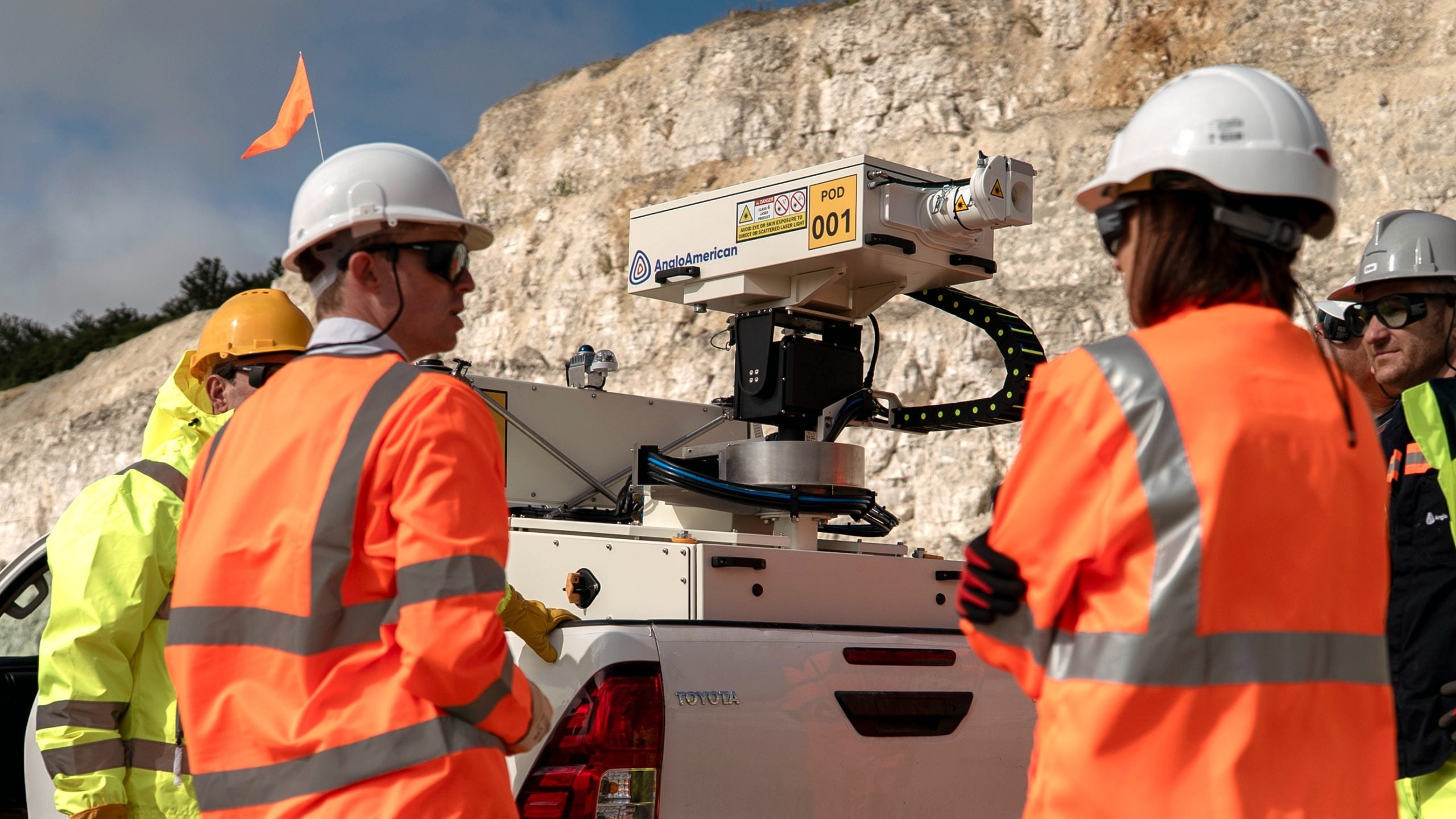
Digitalization is providing mining operations with increased transparency and management capabilities throughout the comminution process. This technological evolution allows for more detailed insights into the various stages of material reduction, from primary crushing to fine grinding. The adoption of digital tools enables operators to monitor equipment performance and material flow with greater precision, fostering a more informed operational environment.
These advancements contribute to a more comprehensive understanding of the comminution circuit, which is crucial for maximizing efficiency and output. The ability to collect and analyze real-time data from crushing and grinding equipment offers a foundation for data-driven decision-making. This data can inform adjustments to operational parameters, potentially leading to more consistent product quality and optimized energy consumption.
The strategic incorporation of these digital solutions is a significant consideration for mining companies. The effectiveness of digital enhancements in comminution largely depends on how operators implement and integrate new technologies within existing infrastructure and workflows. A coherent integration strategy is essential to fully realize the benefits offered by digital tools.
Operational Advantages of Digital Comminution
One of the primary benefits of digitalizing comminution is the enhanced visibility it offers into the entire process. Operators can gain a clearer picture of material characteristics, equipment status, and energy usage at various points in the circuit. This granular level of insight was historically challenging to achieve, relying more on periodic manual inspections and estimations.
Increased control is another significant advantage derived from digital integration. With real-time data feeds and analytics, operators can make timely adjustments to crushing parameters, mill speeds, and feed rates. This proactive approach helps in mitigating potential issues, such as equipment wear or inconsistent product sizing, before they escalate. Such control enables a more stable and predictable comminution operation.
Furthermore, digital systems can support predictive maintenance strategies for comminution machinery. By continuously monitoring equipment health indicators, operators can anticipate potential failures and schedule maintenance proactively. This approach can reduce unexpected downtime and extend the operational life of valuable assets, contributing to overall operational continuity.
Implementation Considerations
Successful deployment of digital comminution solutions requires careful planning and execution. Integrating new digital systems with legacy hardware and software can present technical challenges. Mining companies often need to assess their current technological infrastructure and ensure compatibility for seamless data flow and system interoperability.
Training personnel to effectively utilize new digital tools and interpret the data they generate is also a critical component of successful implementation. A workforce proficient in digital technologies can leverage the advanced insights provided to optimize comminution performance. This human element remains central to the effective application of technological advancements in the mining sector.
Ultimately, the path forward for enhancing comminution capabilities involves a strategic blend of advanced digital technologies and thoughtful integration practices. As the mining industry continues to seek efficiencies and operational improvements, the role of digitalization in crushing and grinding circuits is becoming increasingly central.
What it means
For commodity traders and shipowners, developments in mining comminution signify potential shifts in commodity supply chain stability and material quality. Enhanced efficiency and control in primary processing stages can lead to more consistent product specifications and potentially more reliable production volumes, impacting global supply. Improved processing can also influence the availability and cost-effectiveness of raw materials entering the market, which can indirectly affect shipping demand for bulk commodities and overall market pricing stability.
Related topics
- Crushing Capabilities
- Mining Technology
- Operational Control
- Commodity Production
- Material Processing
Sourcing & attribution
Reported with reference to Mining Technology. View original report
This article is an original Atlas summary produced under our editorial policy with AI drafting assistance and human editorial review. Spotted an error? Request a correction.

Elena Marchetti
Elena Marchetti covers commodity and energy market structure, benchmarks and trade flows for Atlas Commodity Group. She edits the publication's daily market intelligence coverage.
Related coverage