DP World Christens Inaugural Methanol Dual-Fuel Container Vessel
The global port operator DP World has marked a significant milestone with the naming of its first methanol dual-fuel container ship, indicating a continued trend towards alternative marine fuels in the shipping sector.
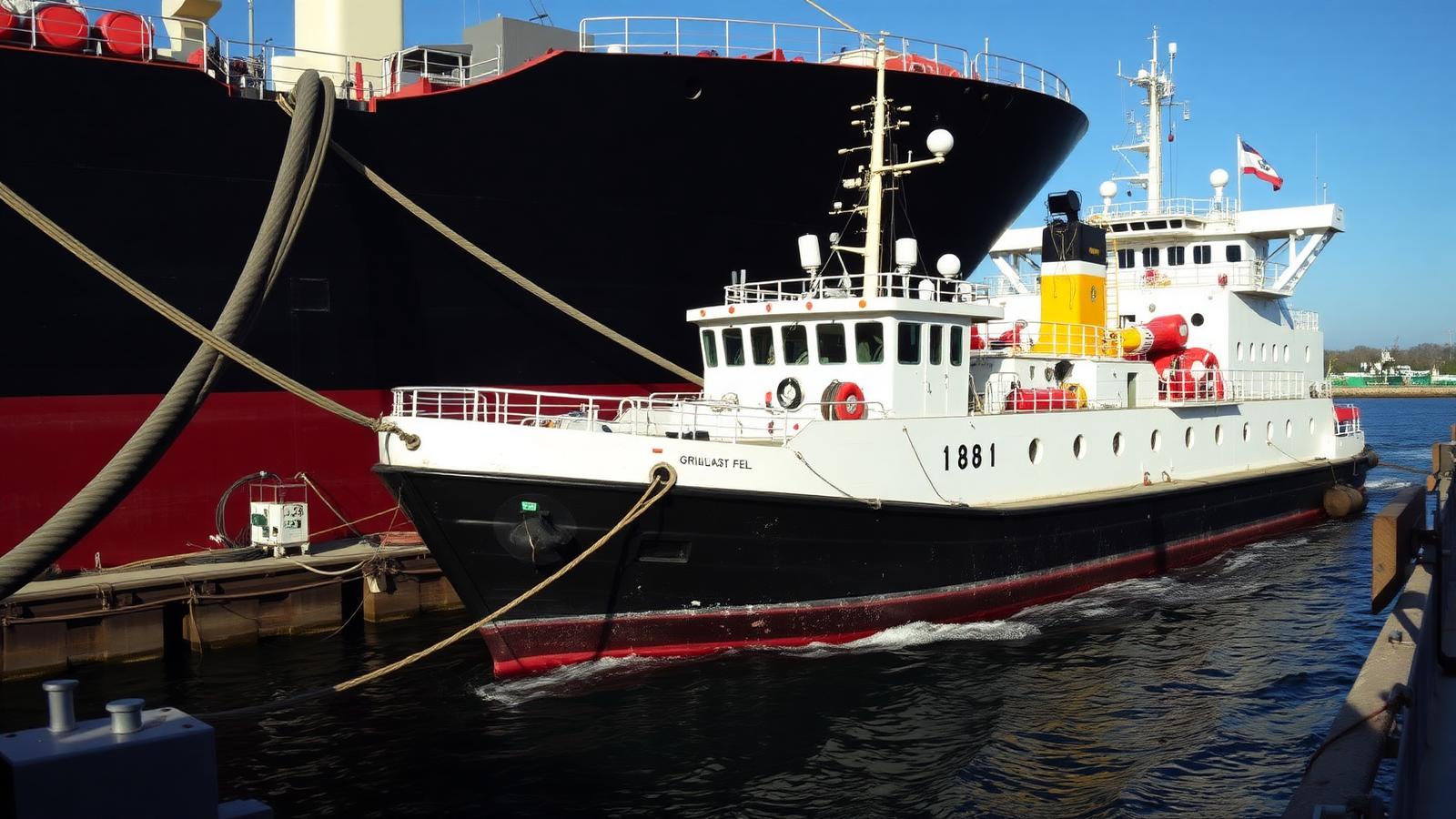
DP World has officially named its initial methanol dual-fuel container vessel. The ceremony took place in Denmark, signifying the ship's readiness for operations. This event represents a key development in the company's fleet strategy, focusing on integrating alternative fuel technologies.
The adoption of methanol dual-fuel capability allows the vessel to operate using both conventional marine fuels and methanol. This flexibility provides operational advantages and supports environmental objectives within the maritime industry. The ship's design incorporates the necessary systems for methanol bunkering and consumption.
This new container ship is part of a broader industry movement towards reducing emissions and enhancing sustainability in global trade. Shipping companies are increasingly investing in vessels that can utilize lower-carbon fuels as regulatory pressures and environmental considerations grow. Methanol is emerging as a prominent option in this transition.
Industry Context for Dual-Fuel Vessels
The introduction of methanol dual-fuel ships reflects ongoing efforts across the maritime sector to decarbonize operations. Vessel operators are exploring various alternative fuels, including LNG, ammonia, and hydrogen, in addition to methanol. The choice of fuel often depends on factors such as availability, infrastructure, cost, and specific operational requirements.
Methanol offers advantages as a marine fuel, including its liquid state at ambient temperatures, which simplifies storage and bunkering compared to some other alternatives. It can also contribute to reducing sulfur oxide, nitrogen oxide, and particulate matter emissions. The dual-fuel engine technology provides a bridge solution while the supply chain for alternative fuels continues to develop.
Implications for Maritime Logistics
The integration of such vessels into DP World's fleet suggests a strategic shift towards more sustainable logistics solutions. As a global port operator, DP World's investment in green shipping technologies can influence broader supply chain practices. This move aligns with global sustainability goals and customer demand for greener transport options.
These types of investments contribute to the gradual transformation of the shipping industry's fuel matrix. The operational performance and environmental benefits of these new vessels will be closely monitored as they enter service. Such deployments are critical for testing and scaling new propulsion technologies in real-world scenarios.
Related topics
- DP World
- Container Shipping
- Alternative Marine Fuels
- Maritime Decarbonization
- Bunkering
- Sustainable Shipping
Sourcing & attribution
Reported with reference to Bunkering trade wire. View original report
This article is an original Atlas summary produced under our editorial policy with AI drafting assistance and human editorial review. Spotted an error? Request a correction.

Elena Marchetti
Elena Marchetti covers commodity and energy market structure, benchmarks and trade flows for Atlas Commodity Group. She edits the publication's daily market intelligence coverage.