Dual Supply Crises Drive Fuel Availability Concerns in Key Regions, Alkagesta Reports
A recent analysis by Alkagesta spotlights the convergence of two significant logistical challenges – persistent issues at the Strait of Hormuz and historically low Rhine River levels – which are jointly impacting global energy and bunker markets.
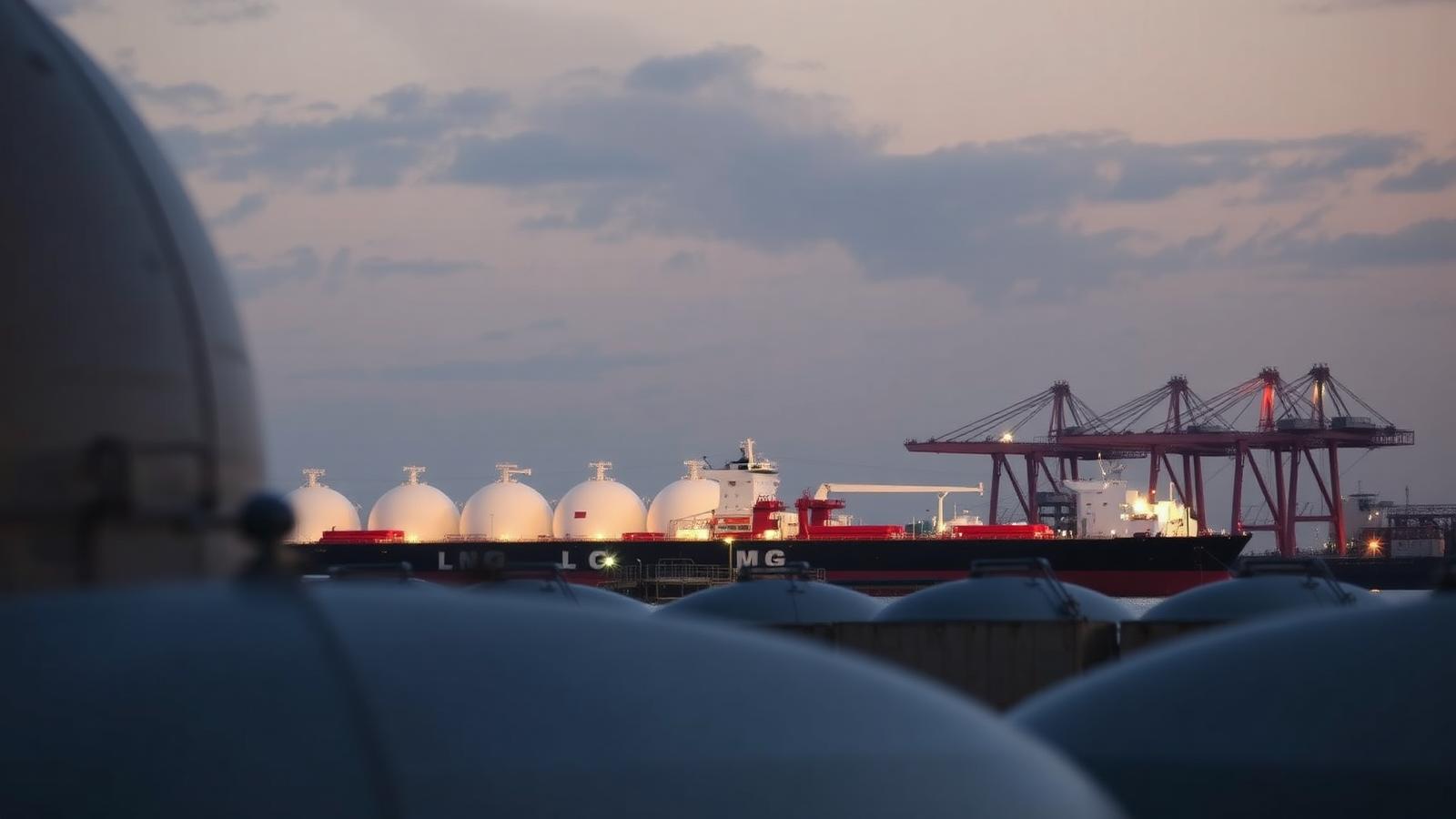
Global energy and bunker markets are currently navigating a complex landscape shaped by concurrent supply pressures, according to a recent market insight from Alkagesta. The commodity intelligence firm's August analysis, which was highlighted by Manifold Times, examines how these dual chokepoint issues are creating challenges for fuel availability across critical trading hubs such as Singapore, Northwest Europe, and the Mediterranean.
Alkagesta's assessment focuses on two primary logistical bottlenecks. The first is the ongoing diplomatic impasse preventing the full normalization of transit through the Strait of Hormuz, a crucial artery for Middle Eastern oil and fuel exports. The second is the severe depletion of water levels in the Rhine River, which recently plummeted to a 140-year low, significantly hindering inland waterway transport across Europe.
Key Market Indicators and Regional Impacts
Manifold Times' coverage of Alkagesta's findings detailed several critical market movements observed in response to these pressures:
- Middle Eastern Fuel Oil Flows: Imports of Middle Eastern fuel oil into Singapore experienced a nearly threefold increase week-over-week, reaching 328,878 metric tons by July 29, suggesting a re-routing or surge in demand in response to supply concerns elsewhere.
- Rhine Barge Capacity: Operational capacity for barges on the Rhine River was drastically reduced, falling to just 15–20% of typical levels, severely impeding distribution within Central and Western Europe.
- VLSFO Hi-5 Spread: The spread for Very Low Sulfur Fuel Oil (VLSFO) Hi-5 reached a multi-year peak of $225.93 per metric ton on August 3. This surge reflected an acute shortage of low-sulfur blending components, essential for compliant marine fuels.
These indicators collectively underscore the profound impact of these chokepoints on commodity flows and pricing dynamics. The near-tripling of Middle Eastern fuel oil imports into Singapore, for example, points to traders and refiners seeking alternative supply routes or destinations amidst regional uncertainties.
Alkagesta's strategic outlook suggests that prompt fuel availability is likely to remain constrained throughout the third quarter. The firm also cautions that further disruptions to Rhine-linked inland distribution could materialize, particularly affecting Central and Eastern European regions that rely heavily on the river for commodity transport. The interconnectedness of global supply chains means that localized disruptions at key chokepoints can rapidly propagate, leading to wider market volatility and increased costs for consumers and industries reliant on these fuels.
Full details of this update are available in the original Alkagesta report.
Related topics
- Strait of Hormuz
- Rhine River
- supply chain
- bunker markets
- energy markets
- commodity trading
Sourcing & attribution
Reported with reference to Alkagesta. View original report
This article is an original Atlas summary produced under our editorial policy with AI drafting assistance and human editorial review. Spotted an error? Request a correction.
Daniel Okoro
Daniel Okoro reports on crude oil, refining and petroleum product markets, with a focus on West African and Mediterranean flows.