
East Asian Port Operations Impacted by Successive Typhoons
Recent meteorological events have led to a review of operational resilience across key maritime hubs in East Asia.
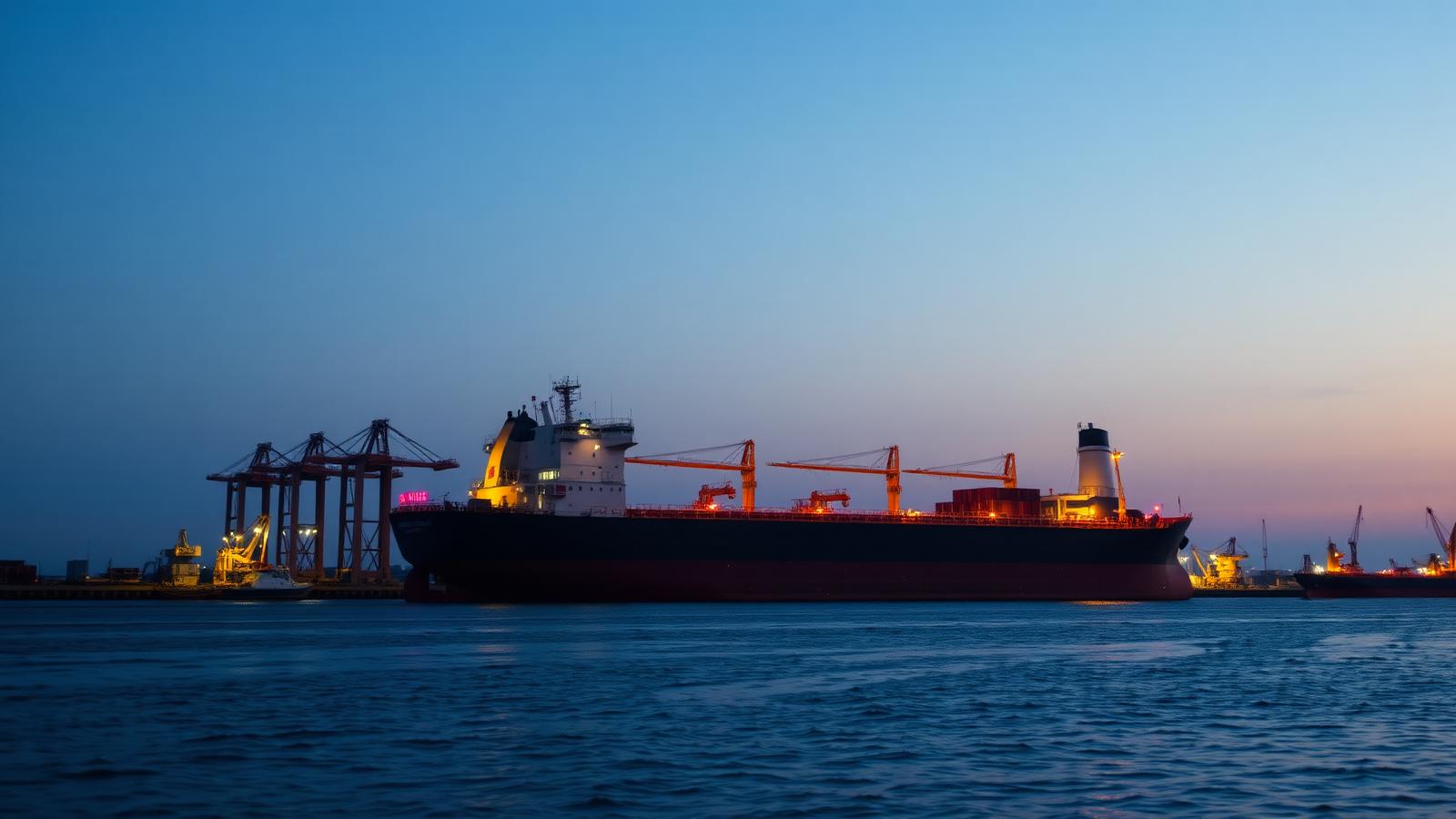
East Asian maritime shipping operations have experienced disruptions following the passage of two typhoons. These weather events, occurring in close succession over a ten-day period, have introduced complexities into port logistics and vessel scheduling across the region.
The sequential nature of these typhoons presented a distinct challenge for port authorities and shipping lines. The interval between the two events was not sufficient for a complete recovery of normal operations or for the full dissipation of backlog caused by the initial storm, exacerbating the overall impact on regional port congestion.
Such meteorological occurrences frequently necessitate temporary closures of ports, re-routing of vessels, and adjustments to cargo handling schedules. The accumulation of these individual impacts across multiple ports can lead to a broader slowdown in the movement of goods, affecting supply chains reliant on East Asian trade routes.
Operational adjustments are typically implemented by port operators and shipping companies in response to severe weather warnings. These measures include securing port infrastructure, delaying vessel arrivals or departures, and coordinating with terminal operators to manage berth availability once conditions allow for safe resumption of activities.
The cumulative effect of these disruptions underscores the inherent vulnerabilities of maritime logistics to environmental factors. Stakeholders within the global shipping industry closely monitor such developments, as they can have ripple effects on vessel turnaround times, container availability, and overall freight efficiency.
Regional Impact Overview
The double typhoon scenario has highlighted the need for robust contingency planning in regions prone to severe weather. The ten-day separation between the two significant weather systems meant that the maritime infrastructure and operational workflows faced a prolonged period of strain rather than isolated incidents.
This situation emphasizes the interconnectedness of port operations within East Asia. Disruptions at one major port can quickly propagate through the network, affecting feeder services, transshipment schedules, and ultimately the delivery timelines for international cargo.
What it means
For commodity traders and shipowners, this situation translates into potential delays in vessel schedules and cargo delivery. Increased port congestion typically leads to extended dwell times for vessels and containers, which can impact inventory management and lead to demurrage charges or charter party deviations. Traders should anticipate potential fluctuations in shipping rates and availability for routes touching East Asia, while shipowners may experience reduced vessel utilization due to operational bottlenecks and weather-related diversions.
Related topics
- Typhoons
- East Asia Shipping
- Maritime Logistics
- Supply Chain Disruption
- Vessel Delays
Sourcing & attribution
Reported with reference to Google News syndication. View original report
This article is an original Atlas summary produced under our editorial policy with AI drafting assistance and human editorial review. Spotted an error? Request a correction.

Elena Marchetti
Elena Marchetti covers commodity and energy market structure, benchmarks and trade flows for Atlas Commodity Group. She edits the publication's daily market intelligence coverage.