
Falmouth Harbour Initiates Low-Carbon Marine Fuel Sales
Falmouth Harbour has commenced sales of hydrotreated vegetable oil (HVO) marine fuel, offering a lower-emission bunkering option for vessels operating within the port and the broader Falmouth Bay area.
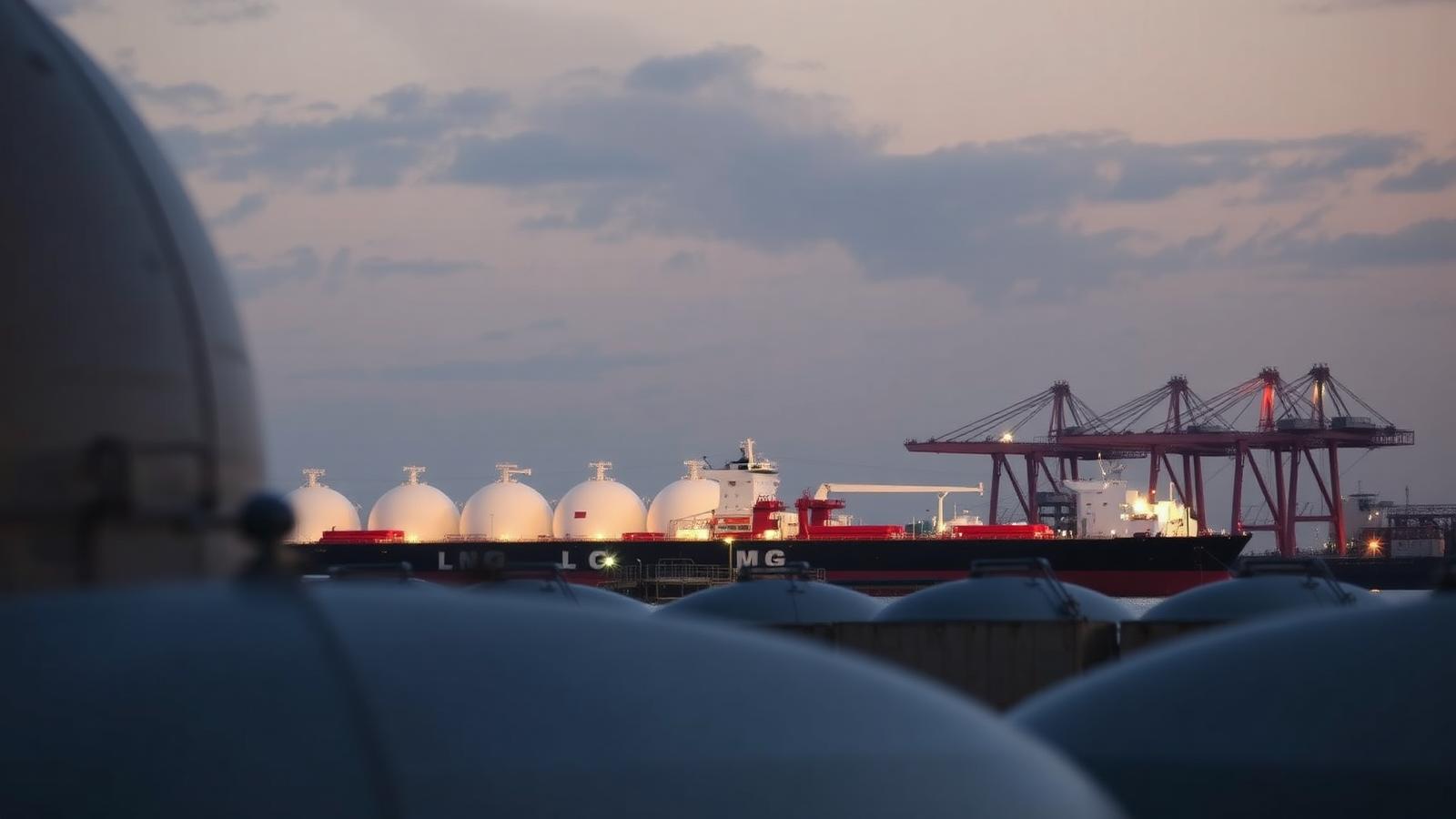
Falmouth Harbour has begun offering low-carbon marine fuel for sale. The port is now supplying hydrotreated vegetable oil (HVO) as a bunkering option. This initiative aims to provide a more sustainable fuel choice for vessels calling at the port or operating within Falmouth Bay.
Historically, the port has focused on providing bunkering for traditional marine fuels. The introduction of HVO represents an expansion of its fuel offerings. This new product caters to a growing demand for fuels with reduced environmental impact across the maritime sector.
Shipping operations can benefit from the use of HVO in terms of emissions. HVO, a second-generation biofuel, is known for its potential to reduce greenhouse gas emissions compared to conventional fossil fuels. This aligns with broader industry trends towards decarbonization.
This development positions Falmouth Harbour among the ports that are actively incorporating alternative fuels into their services. The availability of HVO locally provides a practical solution for vessels seeking to lower their operational carbon footprint without significant engine modifications.
Fuel Specifications and Supply
The HVO marine fuel supplied meets relevant industry standards for quality and performance. It is designated as a 'drop-in' fuel, meaning it is compatible with existing diesel engines without requiring extensive retrofits or separate storage infrastructure onboard vessels. This characteristic simplifies the transition for shipowners looking to adopt lower-emission fuels.
Distribution of the HVO marine fuel is managed through established bunkering channels within the harbour. Vessels can arrange for delivery via methods commonly used for conventional fuels. This ensures continuity and convenience for marine operators.
What it means
For commodity traders and shipowners, the introduction of HVO by Falmouth Harbour signifies an evolving bunkering landscape. It expands the availability of lower-emission fuel options in a key UK port, potentially influencing routing and operational decisions for vessels seeking to comply with sustainability mandates or reduce their carbon footprint. This development contributes to the broader shift in marine fuel markets towards alternative energy sources, presenting both opportunities for new supply chains and challenges in price discovery and logistics for these nascent fuels.
Related topics
- HVO
- Bunkering
- Falmouth Harbour
- Low-Carbon Fuel
- Shipping Emissions
Sourcing & attribution
Reported with reference to Bunkering trade wire. View original report
This article is an original Atlas summary produced under our editorial policy with AI drafting assistance and human editorial review. Spotted an error? Request a correction.

Elena Marchetti
Elena Marchetti covers commodity and energy market structure, benchmarks and trade flows for Atlas Commodity Group. She edits the publication's daily market intelligence coverage.