Future Marine Fuel Demand Tied to IMO Regulatory Clarity, DNV Suggests
The trajectory of low and zero-emission marine fuel adoption is significantly influenced by forthcoming International Maritime Organization decisions, according to recent analysis.
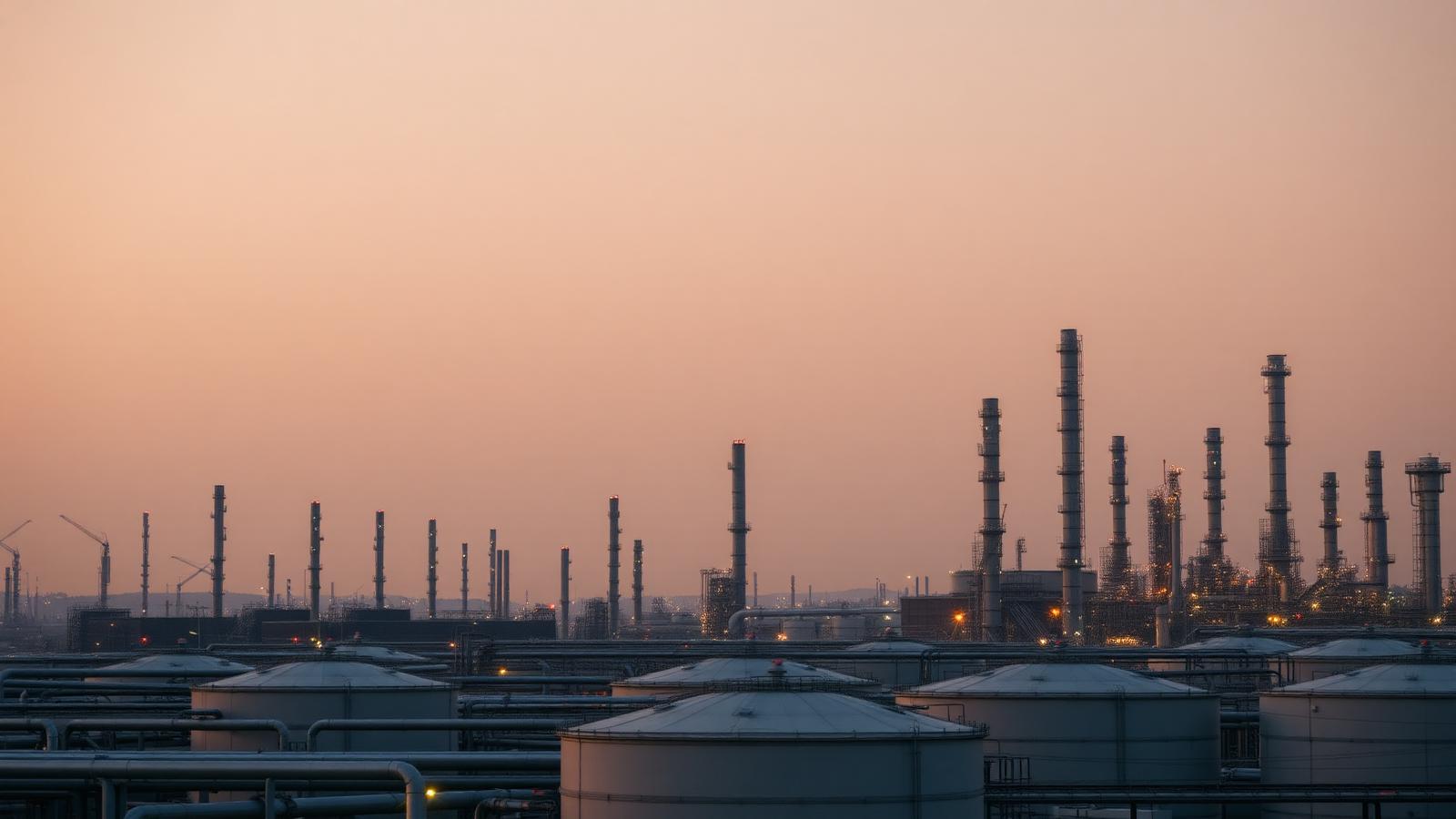
The widespread adoption of low and zero-emission marine fuels, such as methanol and ammonia, is closely linked to the regulatory frameworks under development by the International Maritime Organization (IMO). Industry stakeholders are awaiting clarity on these regulations, which are anticipated to shape future investment and operational strategies within the shipping sector.
Experts indicate that the absence of definitive rules regarding these alternative fuels creates uncertainty for shipowners and operators. This regulatory ambiguity can delay commitments to new vessel designs or conversions that would utilize these emerging fuel types. Decisions surrounding port infrastructure development for bunkering new fuels are also affected by this wait-and-see approach.
The global shipping industry is navigating a transition towards decarbonization, with various alternative fuels being explored. Methanol and ammonia have emerged as prominent contenders due to their potential to significantly reduce greenhouse gas emissions compared to traditional marine fuels. However, their full integration into the global fleet requires comprehensive safety guidelines and operational protocols.
Different fuel pathways present unique challenges and opportunities. The development of bunkering infrastructure, supply chains, and onboard handling systems for each fuel type necessitates substantial capital investment. These investments are more likely to materialize once the long-term regulatory landscape provides a clear and stable operating environment.
Regulatory Landscape and Investment Trends
The IMO's ongoing work on a revised Greenhouse Gas (GHG) strategy, including potential market-based measures and fuel standards, is a critical factor. The outcomes of these discussions are expected to provide the necessary policy signals that will drive the large-scale shift towards sustainable marine fuels. This includes defining emission reduction targets and potentially outlining mechanisms to support the uptake of cleaner technologies.
Without explicit IMO mandates or incentives, the financial viability and risk assessment for investing in new fuel technologies remain complex. Shipowners must weigh the costs of fuel conversions, newbuild premiums, and operational adjustments against the potential for future compliance requirements and market advantages. This balancing act underscores the importance of the upcoming regulatory clarity.
What it means
For commodity traders and shipowners, this analysis highlights the critical juncture the marine fuel market faces. The pace and scale of the transition to low and zero-emission fuels, and consequently the demand for new commodity streams like green methanol or ammonia, are directly contingent on IMO regulatory progress. Traders should monitor IMO meetings and outcomes for indicators of future fuel demand shifts, while shipowners should prepare for a potentially accelerated regulatory environment that will mandate changes to their fleet composition and fuel procurement strategies.
Sourcing & attribution
Reported with reference to Bunkering trade wire. View original report
This article is an original Atlas summary produced under our editorial policy with AI drafting assistance and human editorial review. Spotted an error? Request a correction.

Elena Marchetti
Elena Marchetti covers commodity and energy market structure, benchmarks and trade flows for Atlas Commodity Group. She edits the publication's daily market intelligence coverage.