Geopolitical Factors Influence Oil Market Dynamics
The current oil market landscape is characterized by considerations related to supply security, contributing to recent price movements.
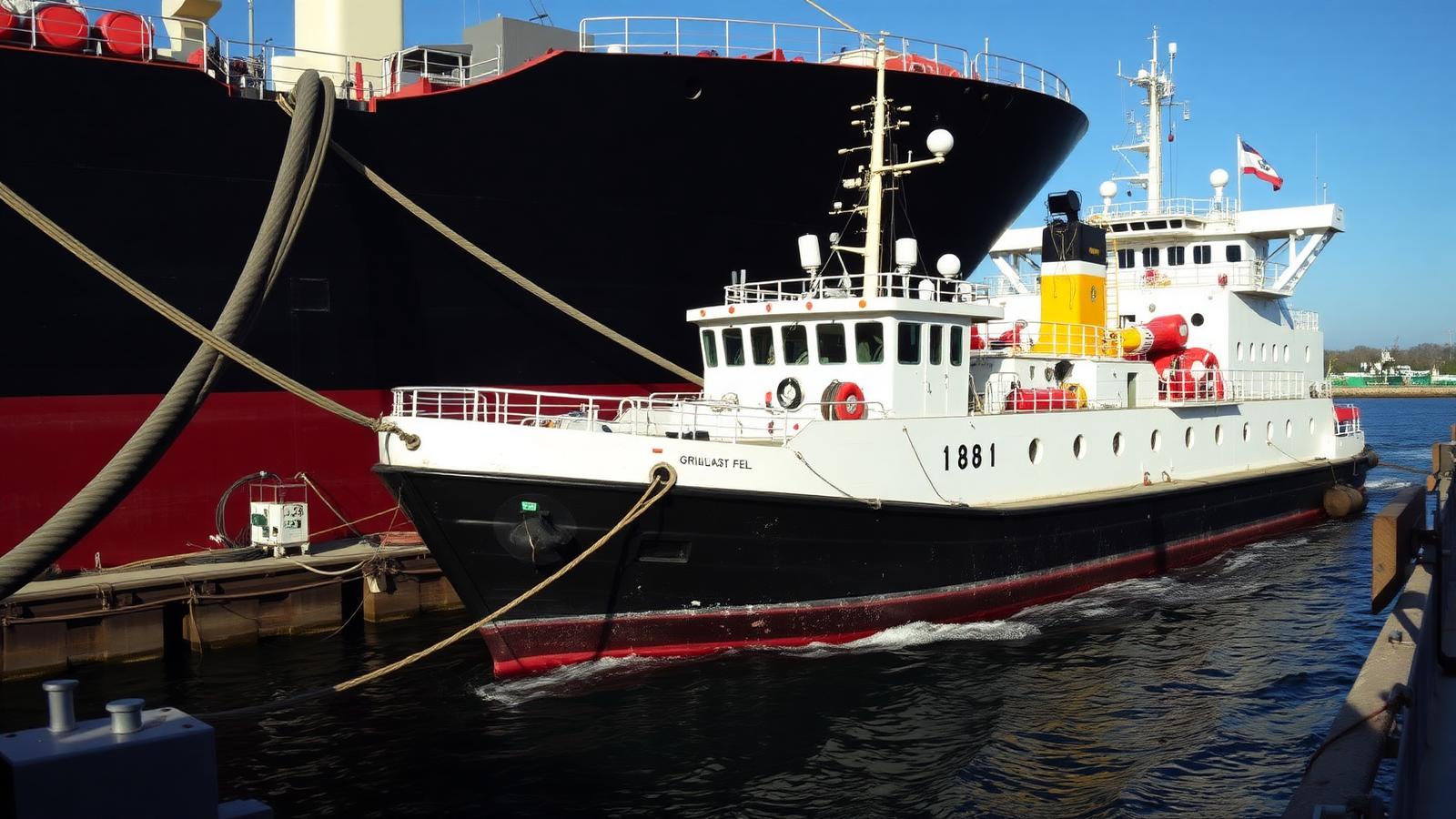
Global oil prices are presently experiencing support linked to evolving geopolitical considerations. Market observers note that these factors are generating uncertainty regarding future supply conditions, which in turn influences trading activity and price discovery processes.
Analysts are assessing the potential implications of these developments on the stability of crude oil flows. The prevailing sentiment indicates that concerns over supply continuity are a significant element shaping the immediate outlook for the commodity.
Industry participants are closely monitoring these geopolitical currents. The interaction between these events and fundamental supply-demand balances is a key area of focus for market participants and commodity strategists.
These dynamics underscore the sensitivity of the global oil market to non-commercial influences. While demand metrics and production figures remain important, external events often introduce a layer of complexity to price forecasts.
The ongoing assessment of geopolitical risk translates into a cautious approach among some market players. The interplay of political developments and crude oil pricing mechanisms is a recurrent theme in commodity trading, reflecting the global nature of energy supply chains.
Market Observations
The prevailing market conditions suggest that supply-side concerns are prominent in current oil price evaluations. This highlights the vulnerability of the global energy complex to disruptions or perceived threats to supply.
This sentiment is a notable factor in daily trading decisions. It underscores the importance of geopolitical intelligence alongside traditional economic indicators for those involved in oil and energy markets.
What it means
For commodity traders, the current environment signals that geopolitical risk premium is a significant component of crude oil pricing. Monitoring global political developments will be crucial for short-term and medium-term trading strategies. Shipowners should consider the potential for increased bunker fuel volatility and factor this into operational budgeting and procurement, particularly if supply routes become a point of concern or if geopolitical tensions affect freight rates and transit times.
Related topics
- Geopolitical Risk
- Supply Security
- Crude Oil
- Energy Market
Sourcing & attribution
Reported with reference to Rigzone. View original report
This article is an original Atlas summary produced under our editorial policy with AI drafting assistance and human editorial review. Spotted an error? Request a correction.
Elena Marchetti
Elena Marchetti covers commodity and energy market structure, benchmarks and trade flows for Atlas Commodity Group. She edits the publication's daily market intelligence coverage.