
Global Port Congestion Trends Continue Upward, Drewry Reports
Despite ongoing investment in terminal infrastructure, an analysis by Drewry indicates a persistent increase in port congestion across global shipping lanes.
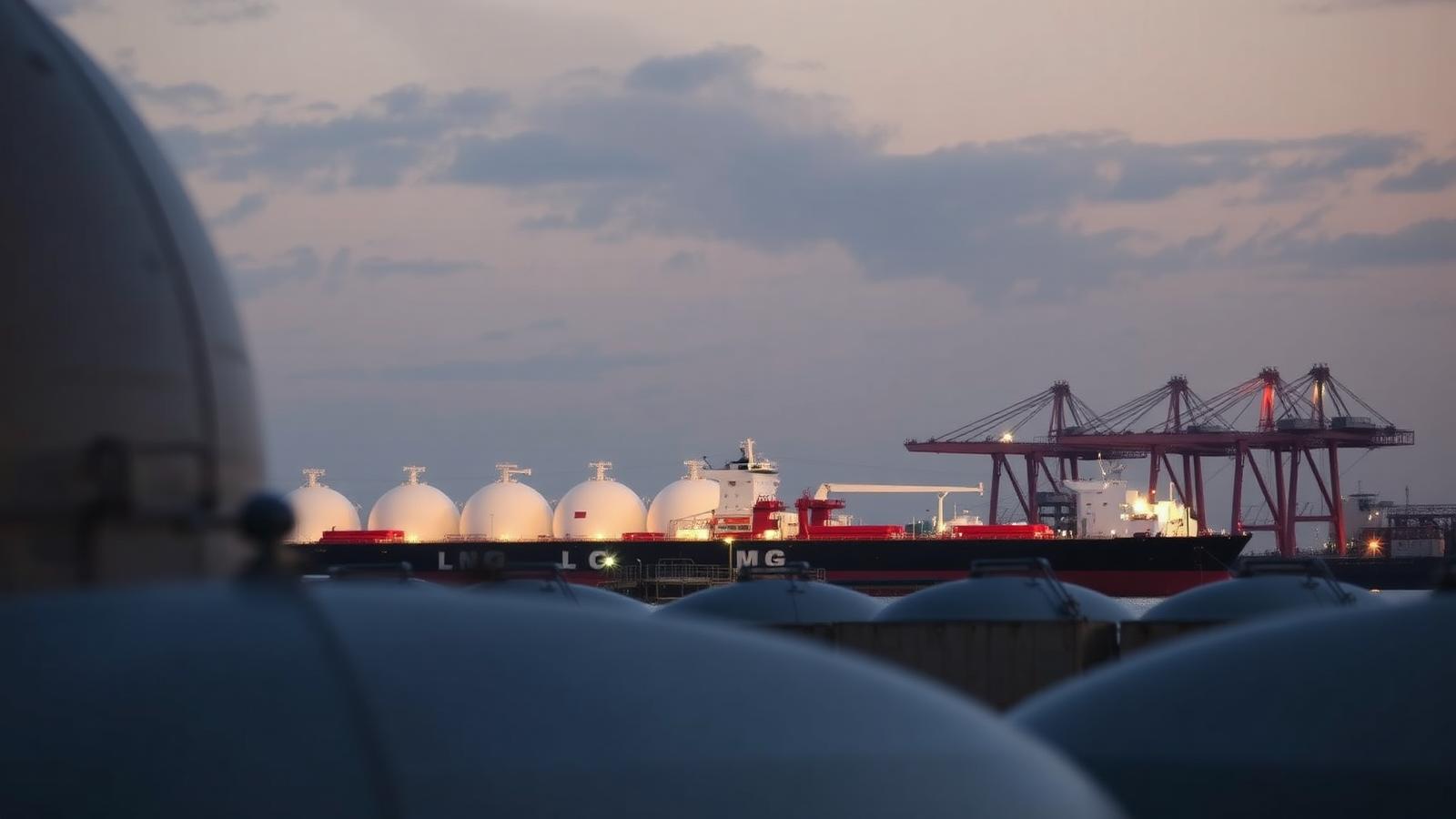
Ongoing global port congestion is reportedly worsening, according to recent analysis from Drewry. This trend emerges despite continuous investment directed towards terminal facilities worldwide, suggesting that current infrastructure enhancements may not be fully alleviating the pressures on port operations.
The shipping industry has faced sustained challenges related to port efficiency and vessel turnaround times. These issues impact supply chains by contributing to delays and potentially increasing operational costs for carriers and cargo owners. The reported worsening of congestion indicates that these challenges are not abating.
Investment in port terminals typically aims to enhance capacity, improve operational speed, and facilitate the movement of goods. Such investments can include expanding berths, upgrading cargo handling equipment, and implementing advanced logistics systems. The current situation suggests that the scale or nature of these investments might not be fully addressing the root causes of congestion.
Factors contributing to port congestion are multifaceted. They often include surges in cargo volumes, labor availability, hinterland transport bottlenecks, and unexpected disruptions such as adverse weather or geopolitical events. The continued upward trend in congestion points to a complex interplay of these elements.
Drewry's assessment highlights a discrepancy between capital expenditure in port infrastructure and observed operational outcomes. While new technologies and expanded facilities are brought online, the overall efficiency of the global port network continues to face significant hurdles, affecting the fluidity of international trade.
Market Impact
Persistent port congestion has direct implications for shipping schedules and logistics planning. It can lead to longer transit times, increased fuel consumption due to vessel waiting periods, and higher demurrage charges. These factors contribute to elevated freight rates and can impact the reliability of supply chains, necessitating adaptive strategies from commodity traders and shipowners to manage inventory and delivery expectations.
Future Outlook
The continued worsening of port congestion, even with terminal investments, suggests that broader systemic issues within the global logistics network may be at play. Stakeholders may need to consider a more integrated approach, looking beyond just terminal capacity to address factors like intermodal connectivity, regulatory frameworks, and labor management to achieve sustained improvements in port efficiency. The industry will be monitoring future investment strategies and their impact on reducing operational bottlenecks.
- Global port congestion is reportedly increasing.
- This trend occurs despite ongoing terminal infrastructure investments.
- Implications include potential impacts on shipping schedules and operational costs.
- The situation highlights persistent challenges in global logistics efficiency.
Related topics
- Shipping
- Logistics
- Terminal Investment
- Supply Chain
- Drewry
Sourcing & attribution
Reported with reference to Google News syndication. View original report
This article is an original Atlas summary produced under our editorial policy with AI drafting assistance and human editorial review. Spotted an error? Request a correction.

Elena Marchetti
Elena Marchetti covers commodity and energy market structure, benchmarks and trade flows for Atlas Commodity Group. She edits the publication's daily market intelligence coverage.