
IEA Forecasts Global Oil Demand Increase by 2.4 Million BPD by 2027
The International Energy Agency projects a notable expansion in global oil consumption over the coming years, primarily driven by continued economic activity.
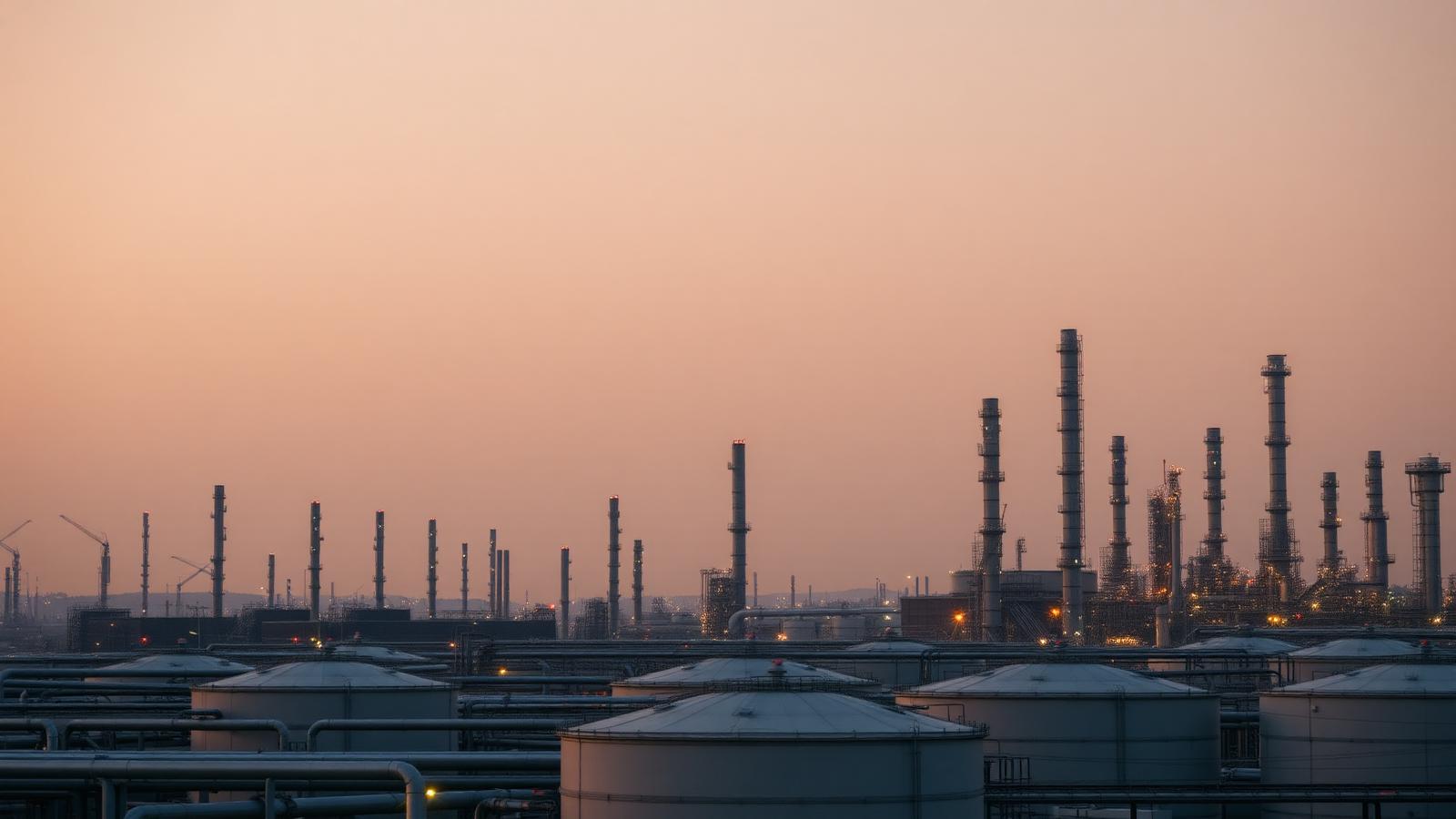
The International Energy Agency (IEA) has released projections indicating a substantial rise in global oil demand by 2027. The agency anticipates an increase of 2.4 million barrels per day (bpd) over the next year, reflecting evolving energy consumption patterns worldwide.
This forecast suggests that despite ongoing energy transitions and efforts towards decarbonization, oil will continue to play a significant role in meeting global energy requirements in the medium term. The projected growth underscores the persistent reliance on crude oil and refined products across various sectors.
The anticipated demand surge is primarily attributed to sustained economic expansion across key regions. Industrial activity, transportation needs, and a general uptick in global commerce are expected to be the main drivers behind this projected increase in consumption.
Developing economies are likely to contribute significantly to this growth trajectory. As these nations continue to industrialize and expand their infrastructure, their energy demands, particularly for oil-based fuels, are expected to climb.
Conversely, mature economies, while potentially showing slower growth rates, will still represent a considerable portion of overall demand. Their established industrial bases and transportation networks ensure continued, albeit more stable, levels of oil consumption.
Demand Drivers and Regional Contributions
The IEA's analysis points to several factors underpinning the demand increase. Beyond general economic growth, specific sectors such as petrochemicals, aviation, and heavy-duty road transport are expected to maintain or increase their reliance on oil derivatives.
The agency's assessment considers various market dynamics, including current consumption trends, future economic outlooks, and potential policy impacts on energy use. These projections serve as a reference point for understanding forthcoming shifts in the global oil market.
What it means
For commodity traders and shipowners, this IEA projection signals continued robust demand for crude oil and refined products into 2027. Traders may anticipate sustained market activity, potentially influencing price structures for various oil grades and derivatives. Shipowners involved in crude and product tanker segments could foresee consistent cargo volumes, impacting freight rates and fleet utilization. The forecast provides a strategic outlook for operational planning and investment decisions within the energy and maritime sectors.
Sourcing & attribution
Reported with reference to Google News syndication. View original report
This article is an original Atlas summary produced under our editorial policy with AI drafting assistance and human editorial review. Spotted an error? Request a correction.

Elena Marchetti
Elena Marchetti covers commodity and energy market structure, benchmarks and trade flows for Atlas Commodity Group. She edits the publication's daily market intelligence coverage.