
Impact on Global Oil Flows After Terminal Incidents
Recent events involving a key oil export terminal could have implications for crude oil shipments and regional energy markets.
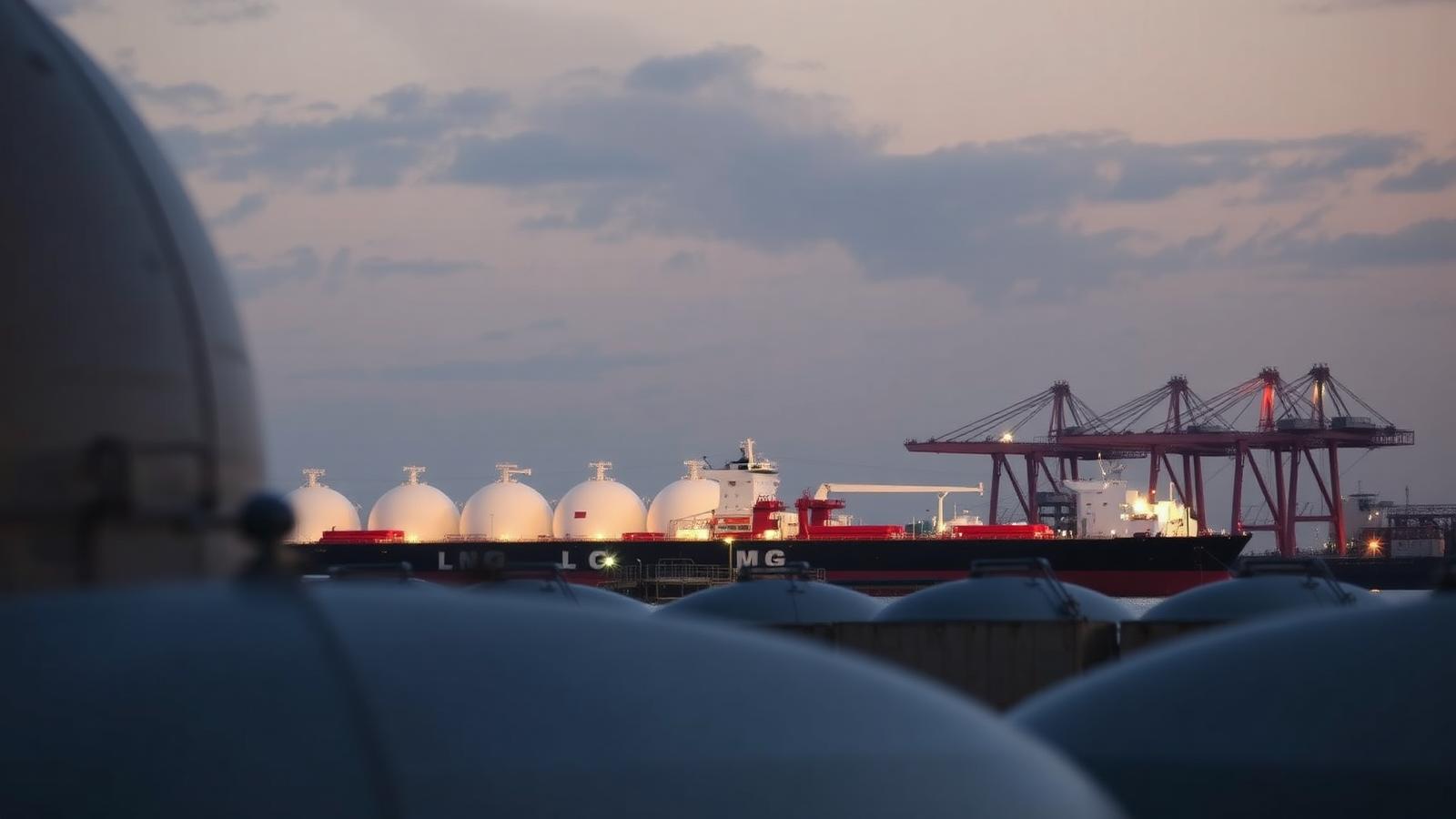
Reports indicate a major oil export terminal has sustained significant damage, potentially affecting the capacity for crude oil loading and distribution. The incident, characterized by substantial destruction, raises questions regarding the future operational status of the facility and its role in global oil supply chains.
This terminal is recognized for its strategic importance in facilitating crude oil exports. Its disruption could necessitate adjustments in shipping routes and supply logistics for crude destined for international markets. Market participants will be monitoring the extent of the damage and estimated repair timelines.
Preliminary assessments suggest the damage has been widespread, impacting critical infrastructure necessary for oil handling and storage. The specifics of the damage and its full economic implications for the region and for global oil trade remain under evaluation. Companies involved in crude oil transportation and refining will be observing developments closely.
Operational Considerations for Crude Exports
The facility's operational status is central to crude oil export capabilities from the region. Any prolonged closure or reduced capacity at such a significant terminal would require shippers and buyers to seek alternative loading points or adjust their crude procurement strategies. This could introduce new dynamics into tanker scheduling and freight rates for certain routes.
Market analysis will focus on how quickly repairs can be executed and if there are contingency plans to mitigate supply disruptions. The incident underscores the vulnerabilities within complex energy supply networks and the potential for single points of failure to impact broader market stability. Energy security discussions often highlight the importance of diversified export infrastructure.
What it means
For commodity traders and shipowners, the damage to a major oil export terminal signals potential volatility in crude oil prices and increased freight rates on relevant routes. Traders should monitor supply-side disruptions and assess the impact on regional crude differentials. Shipowners may see shifts in demand for specific tanker classes and altered port call patterns, necessitating agile fleet management and chartering decisions. Supply chain resilience will be a key focus for market participants.
Related topics
- Oil Terminal Damage
- Shipping Logistics
- Global Supply Chain
- Energy Markets
- Freight Rates
Sourcing & attribution
Reported with reference to Google News syndication. View original report
This article is an original Atlas summary produced under our editorial policy with AI drafting assistance and human editorial review. Spotted an error? Request a correction.

Elena Marchetti
Elena Marchetti covers commodity and energy market structure, benchmarks and trade flows for Atlas Commodity Group. She edits the publication's daily market intelligence coverage.