
Middle East Energy Transit Infrastructure Sees Expansion Amid Supply Security Focus
The global energy landscape is experiencing a strategic shift towards diversifying transit routes for hydrocarbon exports, spurred by recent market disruptions. New investments in pipeline and port infrastructure are addressing supply chain vulnerabilities and enhancing regional energy security.
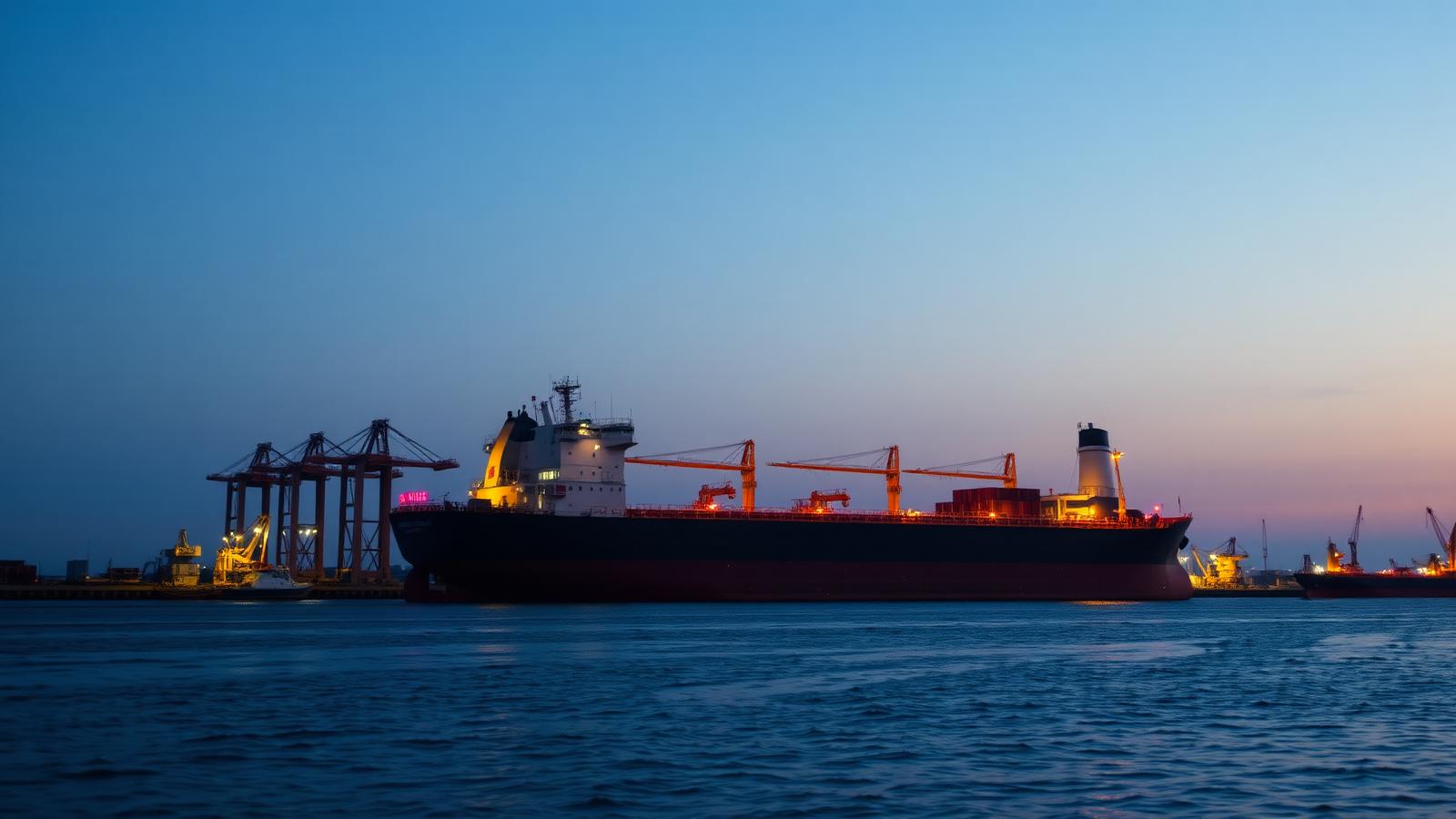
Recent developments in the Middle East have highlighted the critical importance of secure and diverse energy transit infrastructure. A notable expansion in port and pipeline capacities is underway, with significant investments directed towards creating alternative pathways for oil and gas exports. This strategic build-out aims to mitigate risks associated with reliance on existing major chokepoints and to provide greater stability in global energy supply chains.
Energy-importing nations have faced elevated costs and supply uncertainties, prompting a re-evaluation of energy security priorities. Over a six-month period, the total global energy import bill reportedly increased, underscoring the financial implications of disruptions to established trade routes. These economic pressures are a key driver behind the acceleration of new infrastructure projects designed to offer alternative export options.
Infrastructure Development Underway
Among the projects advancing is a new crude oil pipeline designed to bypass traditional maritime transit routes. This pipeline is projected to have an initial capacity capable of transporting a significant volume of crude oil daily, with plans for potential expansion. Its development represents a substantial commitment to improving the resilience of Middle Eastern oil exports, allowing for direct shipments to international markets.
Complementing the pipeline initiatives, new port facilities are also in various stages of development or upgrade. These ports are being equipped to handle increased volumes of crude oil and potentially refined products, enhancing loading and storage capabilities. The integration of pipeline and port infrastructure is crucial for establishing comprehensive alternative export systems.
These infrastructure expansions are not limited to oil. Plans are also progressing for facilities dedicated to natural gas exports, including liquefied natural gas (LNG) terminals. The diversification of natural gas export routes, similar to oil, aims to reduce geopolitical risks and ensure more reliable access to global markets for gas producers and consumers alike.
Market Impact and Regional Strategy
The collective investment in these new energy conduits signifies a broader regional strategy to enhance economic stability and influence within the global energy sector. By creating multiple export channels, Middle Eastern producers seek to assure buyers of consistent supply, even when traditional routes experience volatility. This long-term view prioritizes robustness in energy trade.
The increase in energy import costs experienced by various nations has reinforced the necessity of such strategic investments. These projects are intended to provide long-term solutions to market volatility and supply chain vulnerabilities, moving beyond short-term adaptive measures. The focus remains on building resilient energy networks that can withstand future disruptions.
- The new crude oil pipeline aims for significant daily export capacity.
- Port infrastructure upgrades are enhancing loading and storage capabilities.
- Natural gas export facilities, including LNG terminals, are part of the expansion.
- Diversification of transit routes is a key strategic objective for regional stability.
Related topics
- Oil Pipelines
- Port Development
- Middle East Energy
- Supply Chain Security
- Crude Oil Exports
- Natural Gas Transit
Sourcing & attribution
Reported with reference to OilPrice.com. View original report
This article is an original Atlas summary produced under our editorial policy with AI drafting assistance and human editorial review. Spotted an error? Request a correction.

Elena Marchetti
Elena Marchetti covers commodity and energy market structure, benchmarks and trade flows for Atlas Commodity Group. She edits the publication's daily market intelligence coverage.


