
Middle East Tanker Rates Experience Sustained Increase Amid Regional Tensions
Daily charter rates for very large crude carriers (VLCCs) operating in the Middle East Gulf have reached substantial levels, reflecting heightened operational costs and market dynamics.
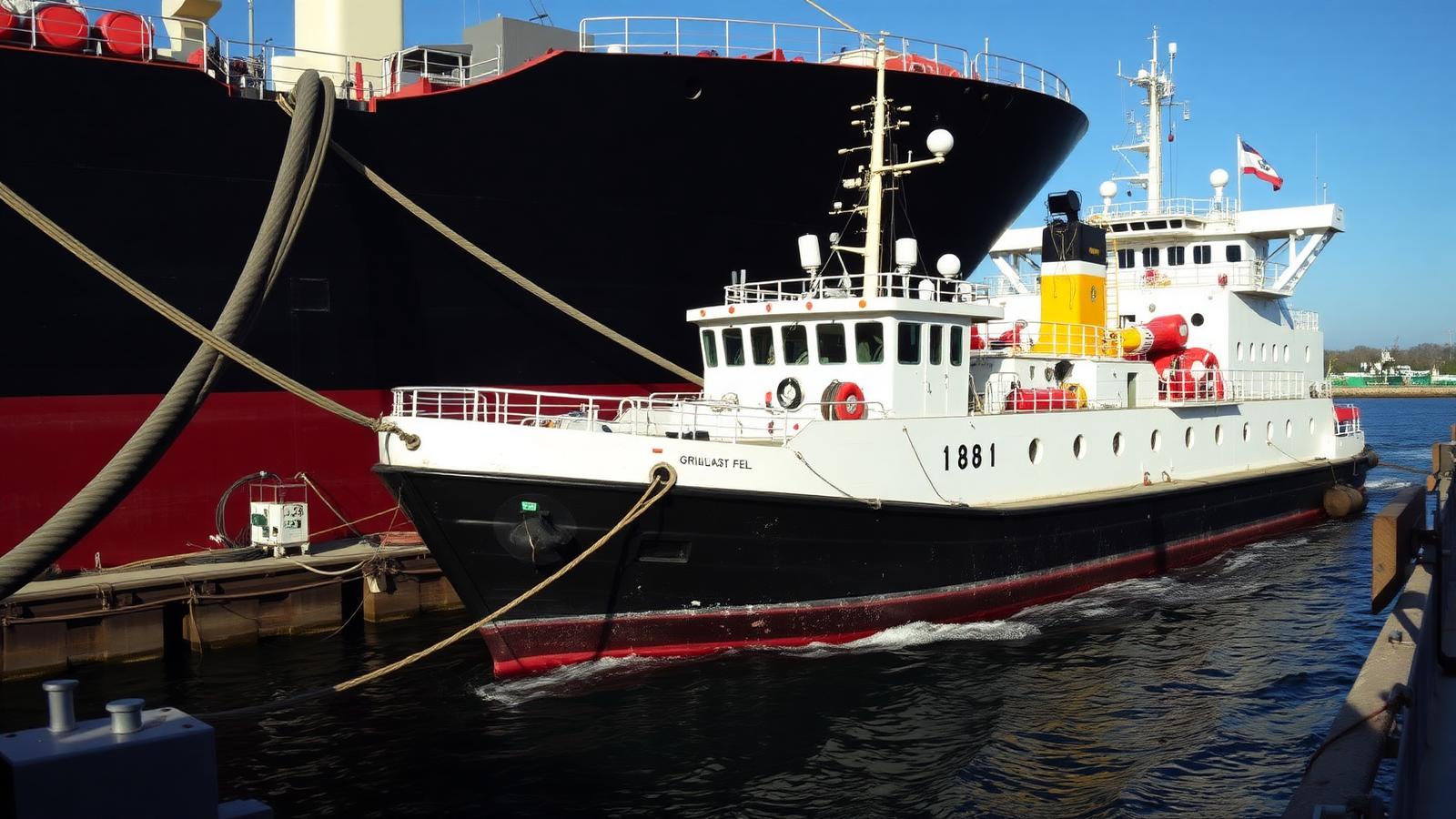
The daily charter rates for very large crude carriers (VLCCs) operating in the Middle East Gulf have recently approached a significant threshold, indicating a robust shipping market in the region. This trend highlights the sensitivity of freight costs to various factors impacting vessel availability and route efficiency. Market participants are observing these rate adjustments as part of broader operational considerations for crude oil transportation.
Several factors contribute to the current freight market conditions. These include the necessity for vessels to navigate around areas of heightened activity, which can lead to longer transit times and increased fuel consumption. Such rerouting strategies are often adopted to ensure the safety and security of maritime operations in sensitive geopolitical zones.
The extended voyages resulting from these operational adjustments directly influence bunker fuel consumption. Longer routes necessitate more fuel, consequently impacting the overall cost structure for vessel owners and charterers. This increase in operational expenditure is a primary driver behind the upward movement in daily charter rates.
Further contributing to the elevated rates are rising insurance premiums for voyages through the region. Underwriters adjust premiums based on perceived risks, and a heightened security environment typically translates into higher costs for comprehensive coverage. These increased insurance costs are then factored into the overall freight rates.
Additionally, the availability of VLCCs in the region plays a crucial role in rate determination. When fewer vessels are readily available for immediate charter, the existing supply faces increased demand, pushing rates upward. This dynamic often emerges when vessel movements are altered due to external factors, impacting fleet distribution.
Combined, these elements — longer transit times, increased bunker consumption, elevated insurance costs, and vessel availability — create an environment where tanker rates can experience sustained increases. The market continues to adapt to these evolving conditions as operators seek to maintain efficient and secure supply chains for crude oil.
Market Dynamics and Operational Impact
The prevailing market conditions underscore the complexity of crude oil logistics in politically sensitive regions. Vessel operators and charterers must continuously assess routing options, bunker procurement, and insurance requirements to manage costs effectively. The current rate environment reflects a rebalancing of these operational variables under specific geopolitical circumstances.
This sustained period of elevated rates influences the economic models of both shipping companies and oil traders. Higher freight costs can impact the landed price of crude oil, potentially affecting global commodity pricing. The situation highlights the interconnectedness of geopolitical events, shipping economics, and the broader energy market.
What it means
For commodity traders, sustained high tanker rates for Middle East Gulf crude signify increased transportation costs, potentially narrowing arbitrage opportunities or impacting forward price curves. Shipowners benefit from higher earnings but face increased operational expenses due to longer routes and insurance premiums. Both parties must account for these factors in their financial and logistical planning, particularly regarding crude oil liftings from the region.
Sourcing & attribution
Reported with reference to Google News syndication. View original report
This article is an original Atlas summary produced under our editorial policy with AI drafting assistance and human editorial review. Spotted an error? Request a correction.
Elena Marchetti
Elena Marchetti covers commodity and energy market structure, benchmarks and trade flows for Atlas Commodity Group. She edits the publication's daily market intelligence coverage.