
Middle East Tensions Impacting Global Hydrocarbon Markets
Recent developments in the Middle East are influencing global crude oil and natural gas supply chains, leading to re-evaluations of existing trade routes and security protocols.
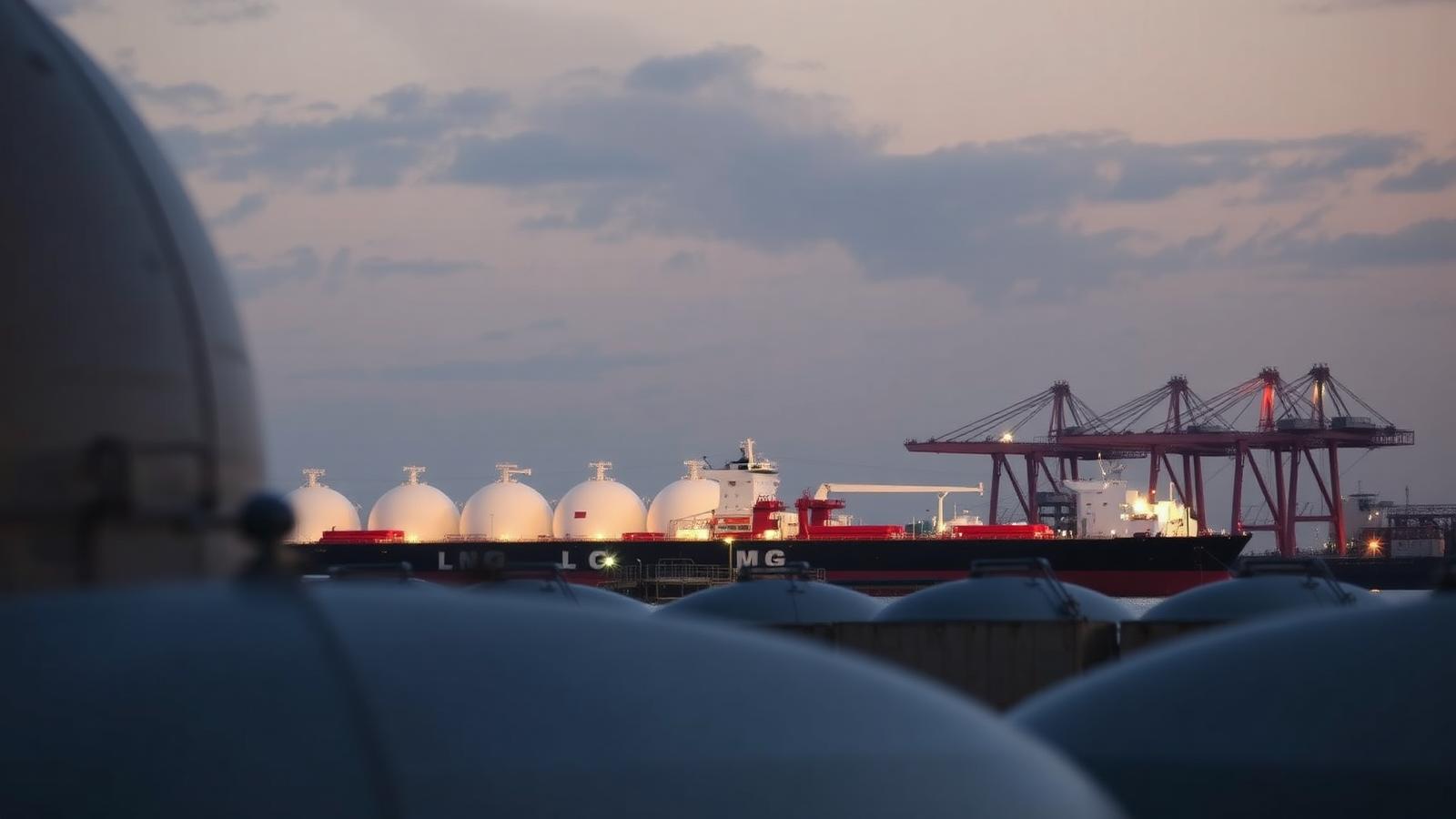
Ongoing geopolitical tensions in the Middle East are contributing to disruptions across international oil and gas markets. These developments are prompting a closer look at regional export capabilities and the stability of critical shipping lanes for hydrocarbon transportation. The broader impact extends to various facets of global energy supply, from crude oil movements to natural gas deliveries.
The situation is particularly affecting established routes for crude oil shipments. Major producing nations in the region rely on these pathways for their exports, making any impediment a significant factor for global crude supply. Market participants are assessing potential delays and increased transit costs associated with these evolving conditions.
Simultaneously, the natural gas sector is experiencing ripple effects. The movement of Liquefied Natural Gas (LNG) and pipeline gas is under scrutiny, with implications for regional and international distribution networks. Gas flows originating from or transiting through the Middle East are subject to heightened monitoring, influencing pricing and delivery schedules globally.
Shipping Lanes Under Pressure
Shipping operations, particularly through key maritime chokepoints, are facing increased scrutiny. Vessels traversing these strategic waterways are navigating an environment marked by elevated security concerns. This translates into potential operational adjustments for carriers, including route alterations or enhanced security measures, which can impact delivery timelines and freight rates.
In addition to the direct impact on vessel transits, insurance premiums for voyages through certain areas have seen adjustments. This is a direct consequence of the perceived increase in risk, adding to the operational costs for shipping companies. These financial considerations ultimately factor into the overall cost of delivering commodities.
Market Response and Forward Outlook
Crude oil prices have shown responsiveness to these geopolitical events, reflecting the market's sensitivity to supply stability. Traders and analysts are closely monitoring daily developments for indicators of potential shifts in supply availability or demand dynamics. The volatility stemming from the region underscores the interconnectedness of geopolitical events and commodity valuations.
The natural gas market is also adapting to the current environment. Uncertainty surrounding supply routes and the potential for interruptions are leading to strategic adjustments in procurement and distribution. Participants in both spot and long-term contracts are evaluating contractual obligations and contingency plans to mitigate potential disruptions.
Commodity traders and shipowners are continuously evaluating the evolving situation, focusing on market fundamentals alongside geopolitical shifts. The emphasis remains on maintaining supply chain integrity and adapting to dynamic operational parameters in key energy-producing and transit regions.
Related topics
- Crude Oil
- Natural Gas
- Shipping
- Geopolitics
- Energy Markets
- Supply Chains
Sourcing & attribution
Reported with reference to Google News syndication. View original report
This article is an original Atlas summary produced under our editorial policy with AI drafting assistance and human editorial review. Spotted an error? Request a correction.

Elena Marchetti
Elena Marchetti covers commodity and energy market structure, benchmarks and trade flows for Atlas Commodity Group. She edits the publication's daily market intelligence coverage.