
Middle East Tensions Persist Six Months Post-Conflict Start
The regional security situation remains a focal point for commodity markets and maritime trade following a six-month period of escalated conflict.
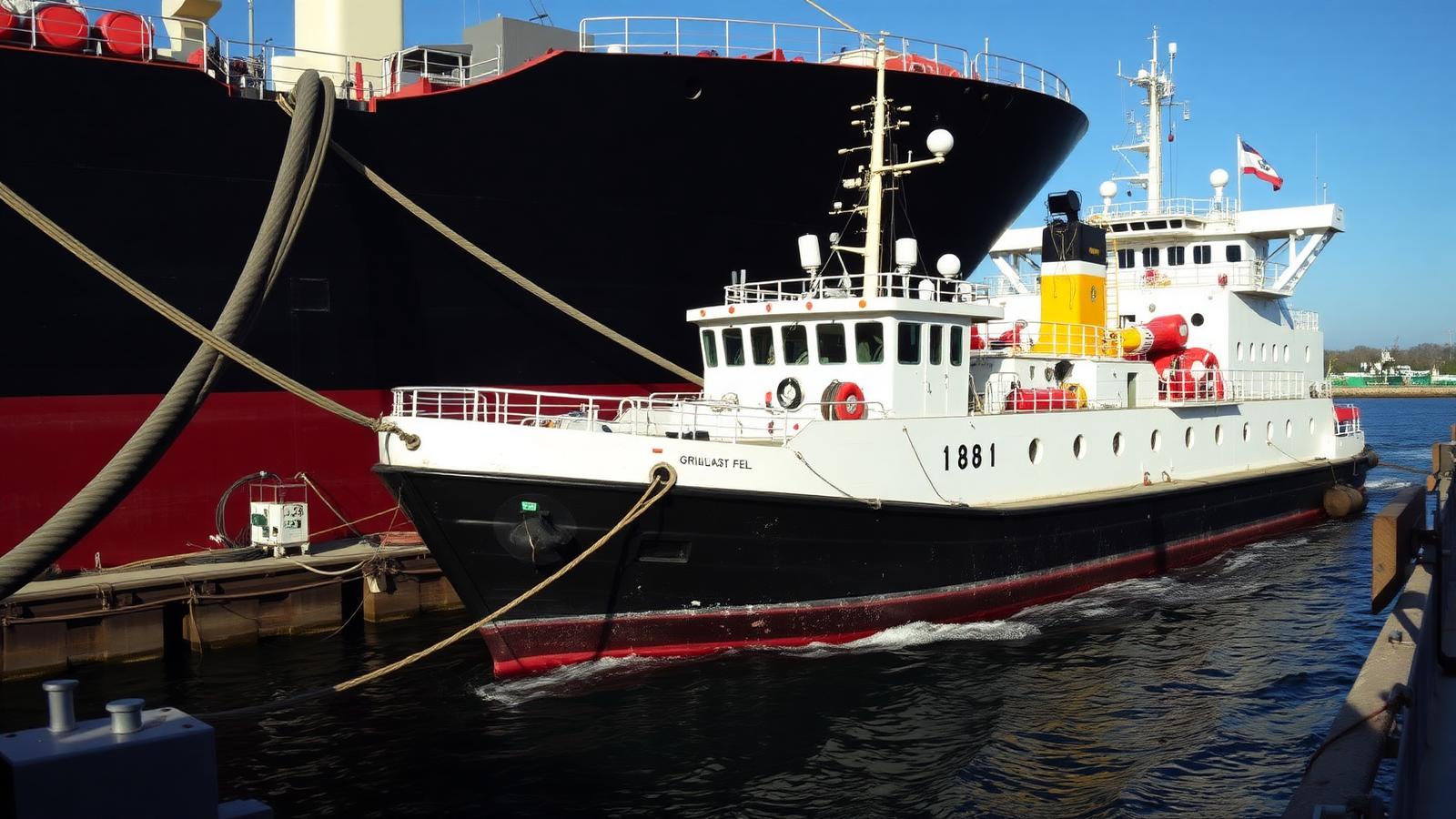
Six months after the commencement of hostilities involving US and Israeli air strikes against Iran, the broader confrontation in the Middle East continues. This period has been characterized by significant impacts on global energy markets and disruptions to shipping routes, reflecting the ongoing instability in the region.
While reports indicate that Iran's military infrastructure has sustained considerable damage during this time, the country reportedly maintains influence over the Strait of Hormuz. This strategic chokepoint is critical for global oil and gas transit, and its status continues to be a key consideration for international trade and security.
Observers are monitoring several interconnected factors that could shape the next phase of this complex situation. A primary concern is the long-term resilience of Iran's economy under sustained pressure. The ability of the nation to endure economic strain is seen as a significant variable in the ongoing regional dynamics.
Diplomatic efforts are also being closely watched for their potential to translate any military developments into a lasting resolution. The prospect of achieving a durable settlement through negotiation is considered a critical pathway to de-escalation, though the challenges are numerous.
Strategic Considerations and Market Impact
The status and navigability of the Strait of Hormuz remain paramount. Any developments affecting this vital waterway have immediate and profound implications for global energy supplies and maritime logistics. The potential for disruptions continues to factor into risk assessments for commodity traders and shipping lines.
The broader regional stability is also influenced by the political coherence within Iran. Internal dynamics and their effect on national policy are key elements in understanding the country's posture and future actions. This internal stability is an additional layer of complexity in the regional geopolitical landscape.
These interconnected issues — economic resilience, diplomatic initiatives, the Strait of Hormuz, and internal political cohesion — collectively define the current outlook. Their evolution will dictate the trajectory of the regional situation and its subsequent effects on international commerce and energy security.
What it means
For commodity traders and shipowners, the ongoing situation signals continued market volatility and elevated operational risks. Persistent uncertainty surrounding the Strait of Hormuz necessitates vigilance in voyage planning and insurance considerations. The long-term economic resilience of Iran and the effectiveness of diplomatic overtures will be critical indicators for assessing future supply chain stability and energy price trends.
Related topics
- Energy Markets
- Shipping
- Strait of Hormuz
- Iran
- Geopolitics
- Commodity Trading
Sourcing & attribution
Reported with reference to OilPrice.com. View original report
This article is an original Atlas summary produced under our editorial policy with AI drafting assistance and human editorial review. Spotted an error? Request a correction.

Elena Marchetti
Elena Marchetti covers commodity and energy market structure, benchmarks and trade flows for Atlas Commodity Group. She edits the publication's daily market intelligence coverage.