
PetroChina Plans Increased Jet and Marine Fuel Output in Second Half
The Chinese energy giant has indicated an adjustment to its refined product production strategy for the latter half of the year, focusing on key transportation fuels.
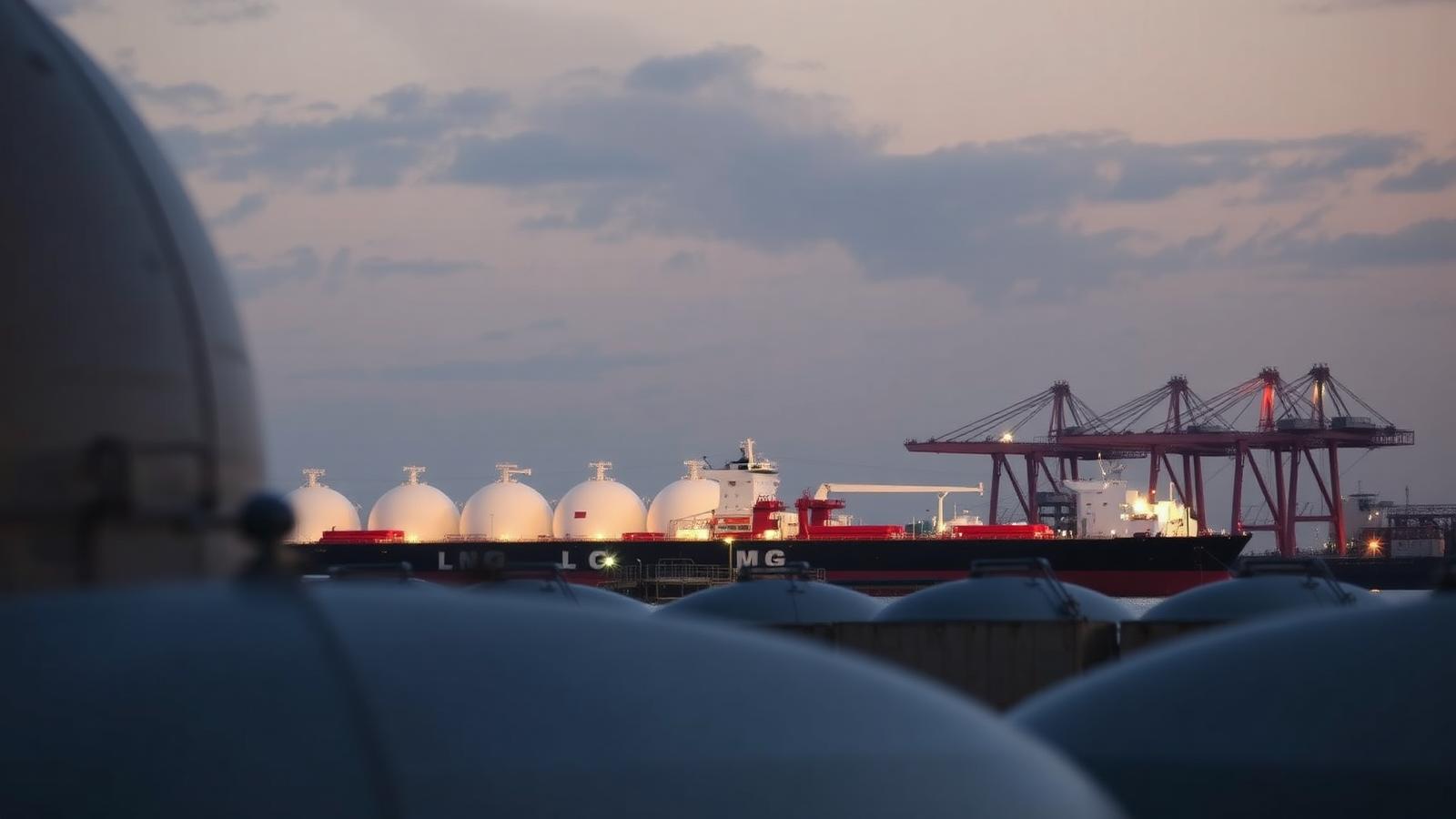
PetroChina has communicated its intention to escalate production levels for jet fuel and marine fuel during the second half of the current year. This strategic shift follows a period where the company prioritized the manufacture of gasoline and diesel, adjusting its refinery output to meet market demands.
The initial half of the year saw a deliberate focus on road transportation fuels. Gasoline and diesel production received precedence, aligning with consumption patterns observed during that period. The upcoming adjustment indicates a response to evolving market dynamics or anticipated shifts in fuel demand sectors.
This reorientation of production efforts reflects PetroChina's adaptable approach to its refining operations. The company regularly evaluates market conditions and modifies its output mix to optimize resource allocation and meet specific product requirements across different sectors.
Increased availability of jet fuel would cater to the aviation sector, potentially supporting air travel recovery or expansion. Similarly, a rise in marine fuel output addresses the needs of the shipping industry, impacting bunkering markets and vessel operations globally.
Production Strategy Overview
The move towards higher jet and marine fuel output represents a strategic adjustment in PetroChina's refining slate. This decision is part of an ongoing process to balance the production of various refined petroleum products. The company's refineries possess the flexibility to modify their product yields based on commercial considerations and prevailing market signals.
The emphasis on these particular fuel types for the second half of the year suggests an internal assessment of future demand trends. Such production adjustments are common within large integrated energy companies, allowing them to remain responsive to shifts in consumption patterns across industrial, commercial, and transportation sectors.
What it means
For commodity traders, an increase in PetroChina's jet fuel and marine fuel production could signal potential shifts in supply dynamics for these products, particularly within Asian markets. Enhanced availability might influence pricing trends and trading opportunities. Shipowners could anticipate a potentially more robust supply of marine fuels, which may contribute to stable bunkering options and pricing. Monitoring the actual implementation and market impact of this announced production adjustment will be key for participants in both the aviation and maritime sectors.
Related topics
- Jet Fuel
- Marine Fuel
- Bunkering
- Refining
- Commodities
- Shipping
Sourcing & attribution
Reported with reference to Bunkering trade wire. View original report
This article is an original Atlas summary produced under our editorial policy with AI drafting assistance and human editorial review. Spotted an error? Request a correction.

Elena Marchetti
Elena Marchetti covers commodity and energy market structure, benchmarks and trade flows for Atlas Commodity Group. She edits the publication's daily market intelligence coverage.