
PetroChina Targets Increased Jet Fuel and Marine Fuel Production in Second Half
The energy giant is set to expand its output of aviation and bunker fuels, addressing market demand in the latter half of the year.
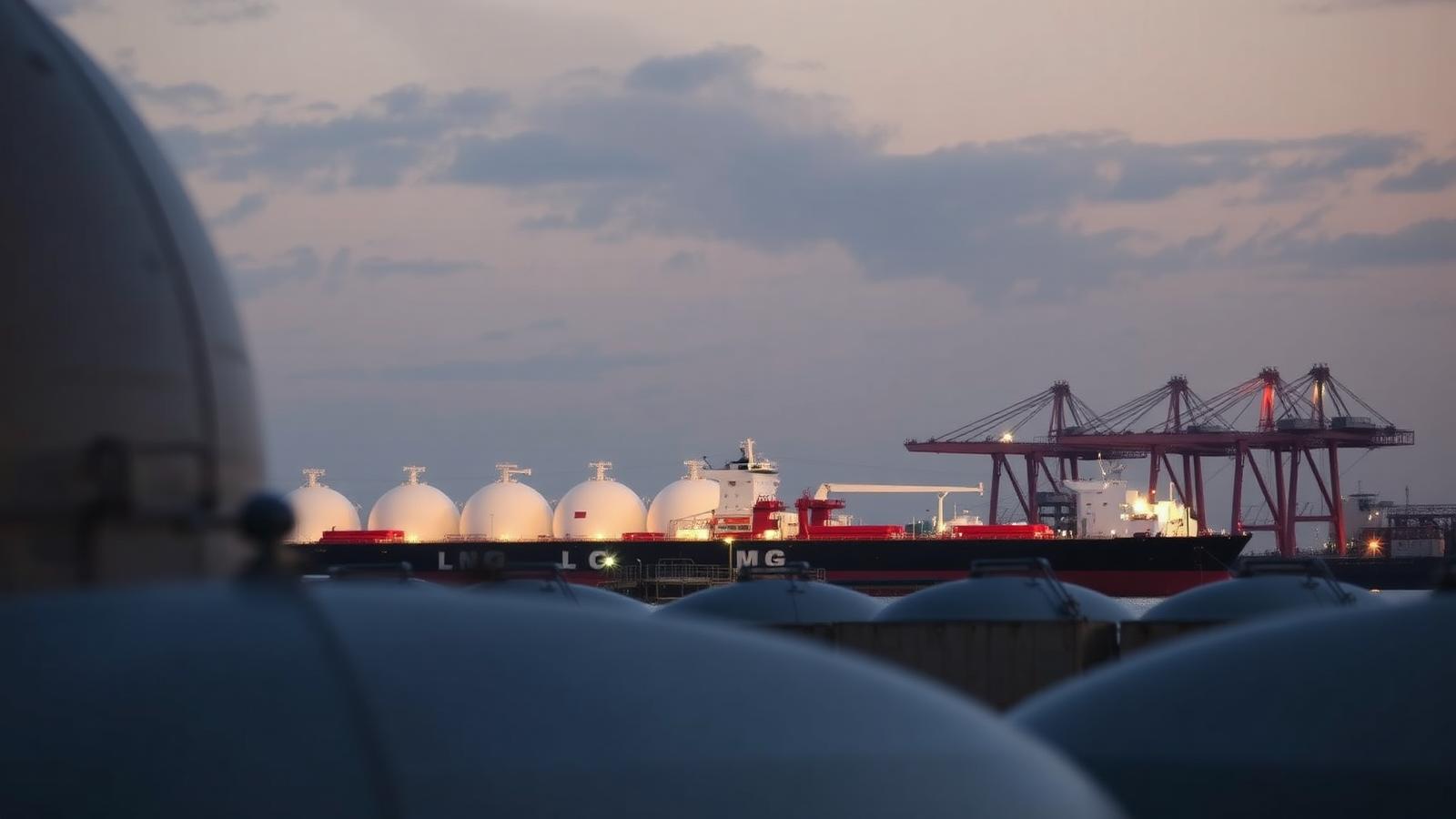
PetroChina, a prominent player in the global energy sector, plans to increase its production of both jet fuel and marine fuel during the second half of the current year. This strategic adjustment in output is anticipated to cater to evolving market requirements for these refined products.
The initiative reflects a focus on optimizing refinery operations to meet specific demand trends within the aviation and maritime industries. Increased production volumes for these key fuels suggest a proactive approach to supply chain management.
Marine fuels, often referred to as bunkers, are critical for the global shipping fleet, powering vessels across various trade routes. An increase in their availability from a major producer like PetroChina could influence regional supply dynamics.
Similarly, jet fuel is an essential input for commercial and cargo aviation. Enhanced production capacity for this commodity aligns with ongoing operational requirements within the air transport sector.
This production strategy by PetroChina indicates an operational pivot towards higher-value refined products that support critical infrastructure segments. Such adjustments are common among large integrated energy companies seeking to balance supply with anticipated demand.
Production Outlook
The planned ramp-up in jet fuel and marine fuel production will occur within the six-month period constituting the second half of the year. This timeframe suggests a sustained increase in output rather than a short-term adjustment.
The decision to boost production for these specific fuels underscores their importance within the overall product portfolio of PetroChina. It highlights a responsiveness to market signals concerning demand for aviation and shipping-related petroleum products.
What it means
For commodity traders, an announced increase in jet fuel and marine fuel output from a major producer like PetroChina could signal potential shifts in regional supply balances, potentially influencing pricing and availability. Shipowners may see a more robust supply environment for bunker fuels, which could support operational planning and procurement strategies.
Related topics
- Jet Fuel
- Marine Fuel
- Bunkering
- Commodities
- Energy Production
Sourcing & attribution
Reported with reference to Bunkering trade wire. View original report
This article is an original Atlas summary produced under our editorial policy with AI drafting assistance and human editorial review. Spotted an error? Request a correction.

Elena Marchetti
Elena Marchetti covers commodity and energy market structure, benchmarks and trade flows for Atlas Commodity Group. She edits the publication's daily market intelligence coverage.
Related coverage