
Port Congestion Challenges Ghana's Economic Policy
The Ghana Union of Traders' Associations (GUTA) highlights potential operational hurdles for a proposed 24-hour economy, citing existing port congestion issues as a primary concern.
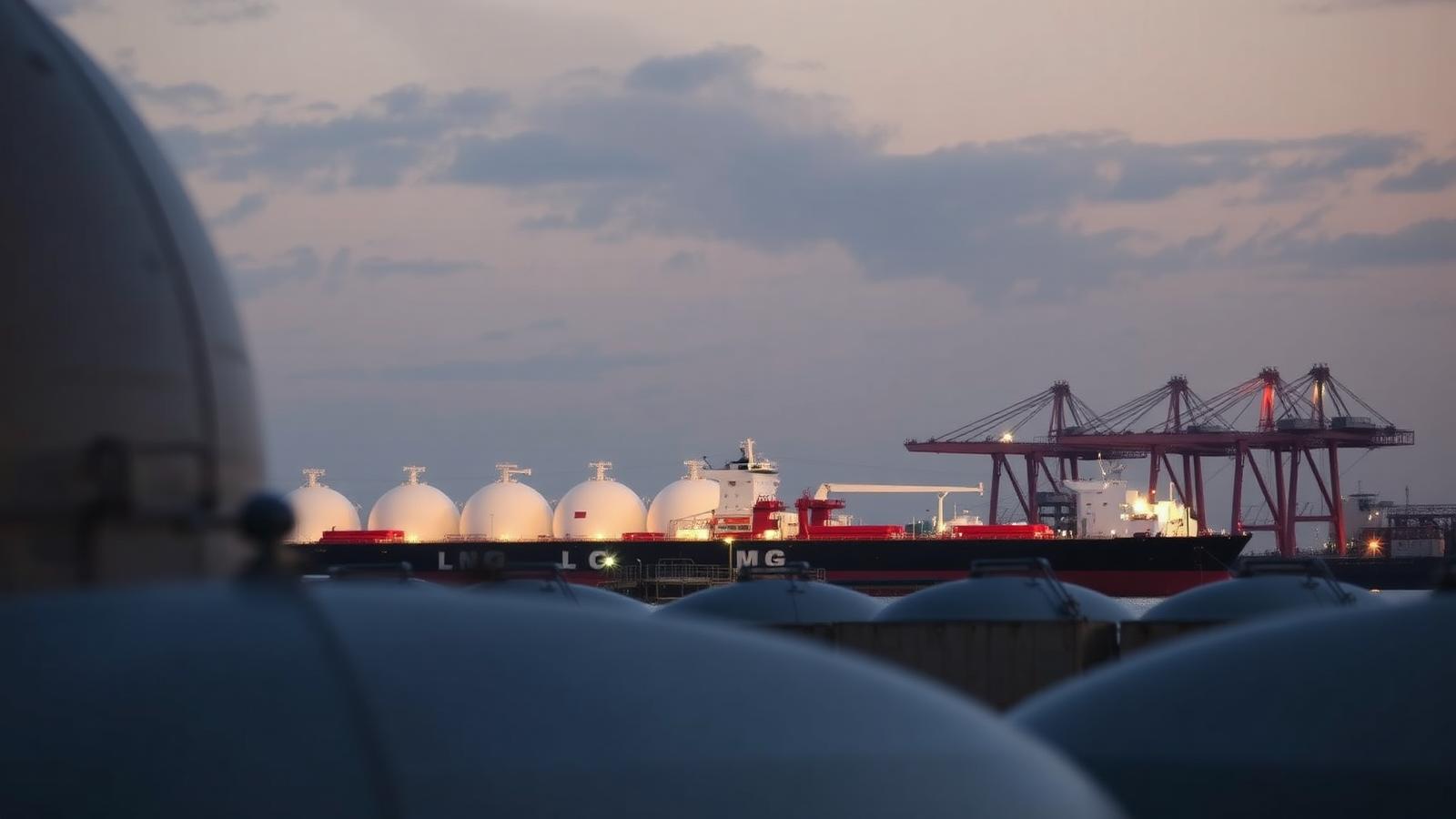
Ongoing port congestion could present significant operational challenges to the effective implementation of a proposed 24-hour economy policy in Ghana. The Ghana Union of Traders' Associations (GUTA) has voiced concerns regarding the current state of port operations and their potential impact on sustained, round-the-clock economic activity.
GUTA's perspective suggests that for a 24-hour economy to succeed, foundational infrastructure and operational efficiencies must first be established. The organization points to existing bottlenecks within the port system as a key area requiring attention before such a policy can achieve its intended benefits. Addressing these issues is seen as crucial for supporting continuous trade and commerce.
The proposed 24-hour economy aims to enhance productivity and stimulate economic growth by allowing businesses to operate continuously. However, GUTA emphasizes that without resolving pre-existing logistical constraints, particularly at major ports, this policy may struggle to deliver its full potential. Efficient cargo movement and clearance are fundamental to a continuous operational model.
Key areas identified for improvement include streamlining customs procedures, enhancing the efficiency of cargo handling equipment, and optimizing overall port logistics. The capacity of current port infrastructure to support a significant increase in operational hours and volume without exacerbating existing delays is a central consideration for trading bodies.
Effective port operations are critical for maintaining supply chain integrity and reducing the cost of doing business for importers and exporters. Delays at ports can lead to increased demurrage charges, longer transit times, and higher operational costs for all participants in the trade ecosystem, including shipowners and commodity traders.
The insights from GUTA underscore the importance of aligning policy aspirations with practical operational realities. A collaborative approach involving port authorities, customs, and trade associations would be essential to developing solutions that support both current trade requirements and future economic initiatives.
Operational Implications for Trade
The ability of ports to facilitate rapid and efficient cargo throughput is a cornerstone of international trade. For commodity movements, consistent port performance directly affects delivery schedules and supply chain reliability. Any policy aiming for extended operational hours inherently relies on the physical capacity and procedural efficiency of port infrastructure.
What it means
For commodity traders and shipowners, persistent port congestion can translate to unpredictable demurrage costs, extended vessel turnaround times, and potential disruptions to delivery schedules. A national policy promoting a 24-hour economy, if not supported by efficient port operations, could paradoxically exacerbate existing bottlenecks rather than alleviate them, leading to increased operational expenses and reduced predictability in the supply chain.
Related topics
- Ghana
- Trade Logistics
- Supply Chain
- Economic Policy
- Commodity Shipping
Sourcing & attribution
Reported with reference to Google News syndication. View original report
This article is an original Atlas summary produced under our editorial policy with AI drafting assistance and human editorial review. Spotted an error? Request a correction.

Elena Marchetti
Elena Marchetti covers commodity and energy market structure, benchmarks and trade flows for Atlas Commodity Group. She edits the publication's daily market intelligence coverage.