
Rotterdam Biofuel Premiums Narrow, Singapore VLSFO Supply Tightens Amid Market Shifts
Market analysis indicates a shift in the economic viability of B100 in Rotterdam and a tightening supply for Very Low Sulfur Fuel Oil in Singapore, influencing bunker purchasing strategies.
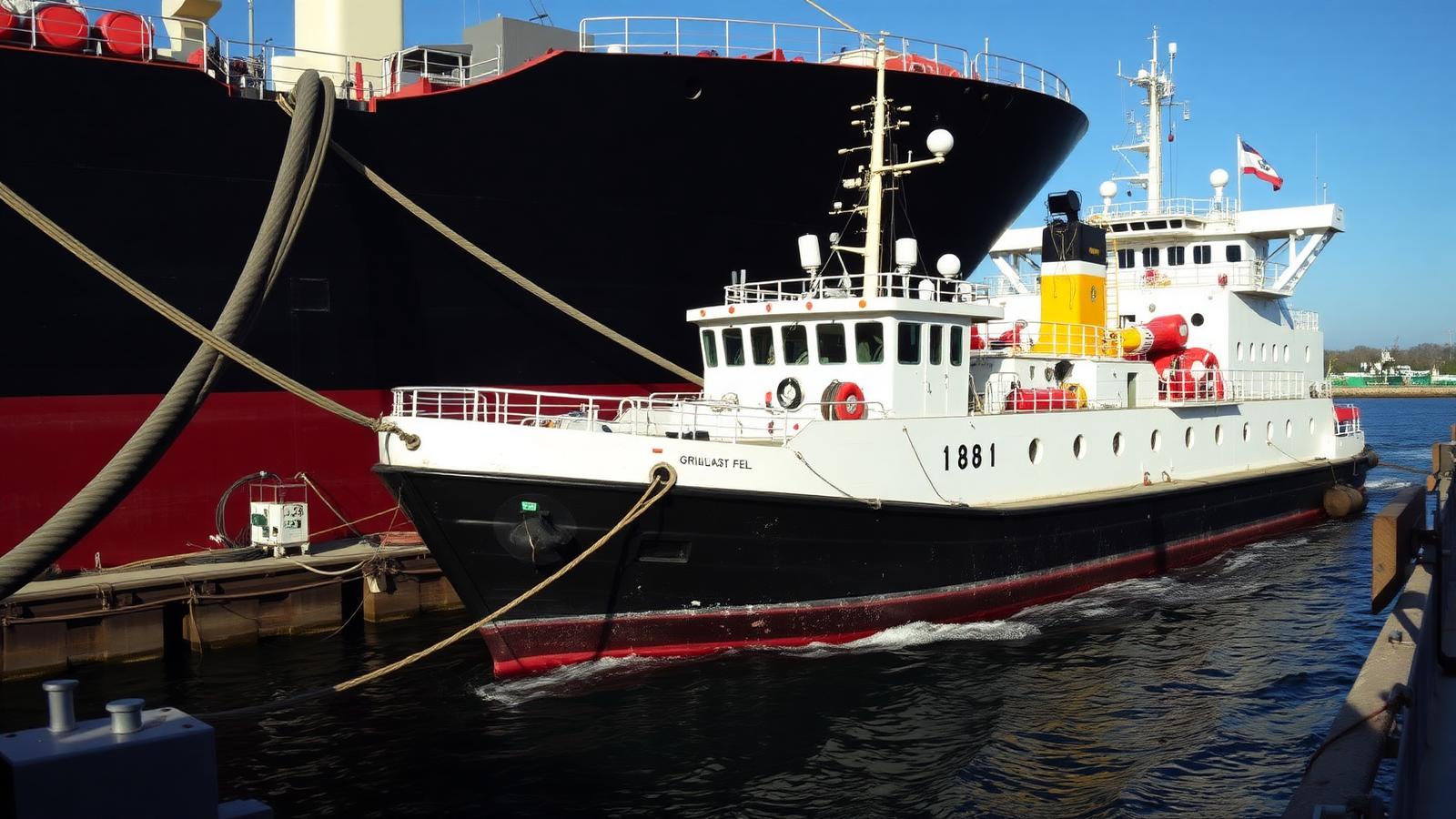
Recent market dynamics have impacted the relative pricing of various marine fuels across key bunkering hubs. In Rotterdam, the economic advantage previously observed for B100 biofuel over Very Low Sulfur Fuel Oil (VLSFO) has diminished. This development follows a period where B100's price premium expanded, affecting its competitiveness for vessel operators.
Historically, the pricing structure for B100 in Rotterdam has shown fluctuations. An assessment indicates that the cost of B100 exceeded VLSFO by more than $66 per metric tonne (mt) in recent trading. This premium represents a change from earlier periods when biofuel alternatives presented a more favorable economic profile for compliant operations.
Concurrently, the competitiveness of low-carbon biofuel marine fuel (LBM) against High Sulfur Fuel Oil (HSFO) has also seen a reduction. This shift in the spread between LBM and HSFO suggests that the financial incentives for adopting LBM may be less pronounced compared to previous market conditions, impacting fuel selection processes.
Regional Market Conditions
Moving to the Asian market, the availability of Very Low Sulfur Fuel Oil (VLSFO) in Singapore, a critical bunkering location, is experiencing constraints. Supply levels for VLSFO are described as tightening within the port. This situation could lead to increased lead times for deliveries and potential price adjustments for purchasers.
In contrast to the tightening VLSFO market, Singapore's High Sulfur Fuel Oil (HSFO) sector is reportedly well-supplied. This disparity in availability between VLSFO and HSFO could influence bunkering decisions, particularly for vessels equipped with exhaust gas cleaning systems capable of utilizing higher sulfur fuels.
These market developments in both Rotterdam and Singapore reflect ongoing adjustments in fuel pricing and availability. Factors such as commodity market movements, supply chain logistics, and demand patterns contribute to the evolving landscape for marine fuel procurement globally.
What it means
For commodity traders and shipowners, these shifts indicate a need for adjusted bunkering strategies. The reduced economic competitiveness of B100 and LBM in Rotterdam suggests a re-evaluation of biofuel adoption based on current cost spreads. In Singapore, tightening VLSFO supply may necessitate earlier procurement planning and consideration of alternative fuel options or ports, while HSFO remains readily available for compliant vessels.
Related topics
- Biofuel
- VLSFO
- HSFO
- Bunkering
- Rotterdam
- Singapore
- Fuel Prices
- Commodities
Sourcing & attribution
Reported with reference to Manifold Times. View original report
This article is an original Atlas summary produced under our editorial policy with AI drafting assistance and human editorial review. Spotted an error? Request a correction.

Elena Marchetti
Elena Marchetti covers commodity and energy market structure, benchmarks and trade flows for Atlas Commodity Group. She edits the publication's daily market intelligence coverage.