
Russia Continues Diesel Export Restrictions Amidst Domestic Supply Focus
The Russian government has confirmed the continuation of measures impacting diesel exports, primarily aimed at stabilizing domestic fuel markets.
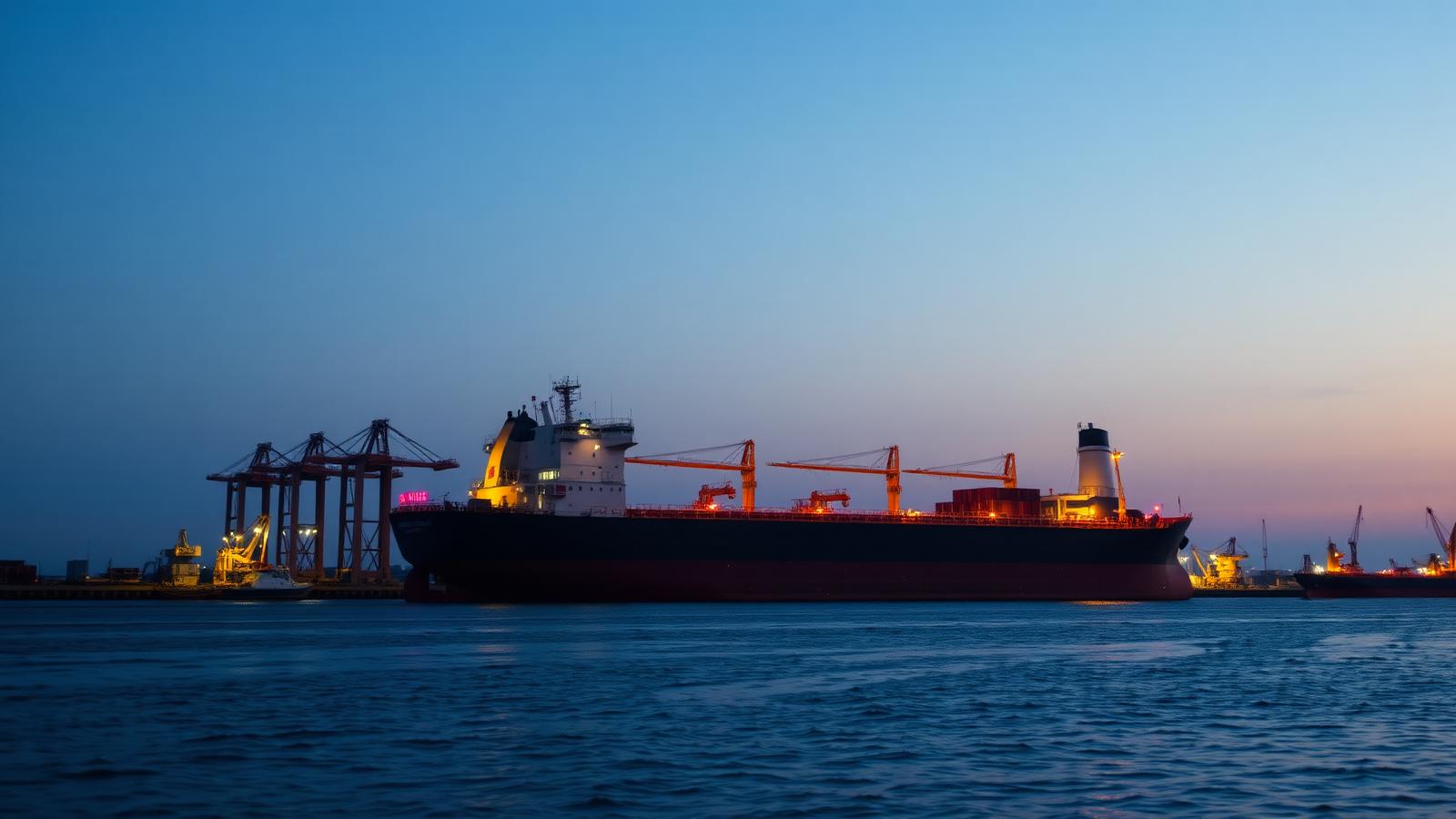
The Russian Federation has prolonged its existing restrictions on diesel fuel exports. This decision follows initial implementation of these measures, which were introduced to address internal market conditions and ensure sufficient domestic supply.
The initial phase of these export limitations was enacted to mitigate rising fuel prices and prevent potential shortages within the country. The government's consistent approach suggests a continued focus on prioritizing domestic market stability.
Historically, Russia has been a significant global supplier of refined petroleum products, including diesel. Export policies in major producing nations often have a direct impact on international commodity markets, influencing both supply dynamics and pricing.
These ongoing restrictions apply to diesel shipments originating from Russian ports and refineries. The measures are part of a broader government strategy to manage the supply chain of essential fuels within its borders.
The continuity of these export limitations indicates that the factors prompting their initial introduction remain relevant. Government statements have consistently emphasized the need to safeguard domestic consumers and agricultural sectors from fuel price volatility.
The Russian Ministry of Energy and other relevant bodies are understood to be monitoring the domestic fuel situation closely. Adjustments to export policies are typically informed by ongoing assessments of supply and demand balances within the country's internal markets.
Market Implications
The prolonged Russian diesel export restrictions are likely to sustain their influence on global diesel markets. Reduced availability from a major exporter can contribute to tighter supply conditions, potentially impacting price benchmarks for refined products.
For shipping and bunkering sectors, the continuation of these policies means that alternative supply routes and sources for diesel fuel may need to be further utilized. Traders will continue to monitor Russian policy statements for any indications of changes to the current export framework, which could shift market dynamics.
What it means For commodity traders, the extension of Russia's diesel export ban signals continued tightness in the global diesel market, potentially supporting higher prices, particularly in regions historically reliant on Russian supply. Shipowners should anticipate potential price volatility and reassess bunkering strategies, considering the ongoing reduced availability from a key producer and its impact on fuel costs and regional supply chains.
Related topics
- Russia
- Fuel Market
- Commodity Trading
- Shipping
- Bunkering
- Energy Policy
Sourcing & attribution
Reported with reference to Google News syndication. View original report
This article is an original Atlas summary produced under our editorial policy with AI drafting assistance and human editorial review. Spotted an error? Request a correction.

Elena Marchetti
Elena Marchetti covers commodity and energy market structure, benchmarks and trade flows for Atlas Commodity Group. She edits the publication's daily market intelligence coverage.