Seaborne LNG Demand Expected to Rise, Influenced by European Market Dynamics
Analysis from shipbroker Intermodal highlights anticipated growth in global seaborne LNG demand, with European energy requirements identified as a key driver. The assessment notes the current state of the European gas market as winter approaches.
The global market for seaborne liquefied natural gas (LNG) is projected to experience notable growth, primarily attributed to future energy consumption patterns within the European Union. This outlook, detailed in a recent report by shipbroker Intermodal, underscores the increasing reliance on international LNG supplies to meet regional demands.
The report observes the current conditions prevalent in the European gas market as the continent transitions into its winter heating season. This period is characterized by certain factors influencing market stability and supply strategies. Industry participants are closely monitoring these dynamics to ensure energy security through the colder months.
Market Factors and Supply Chains
European gas inventories are currently at levels that warrant attention as winter approaches. This situation creates an environment where imported LNG plays an increasingly vital role in balancing supply and demand across the region. The strategic importance of diversifying energy sources and securing reliable supply routes remains a priority for European nations.
Another element contributing to the current market landscape is the availability of LNG from the Middle East. Constraints in this supply chain have been noted, further emphasizing the need for robust global shipping capabilities to facilitate LNG deliveries from other production hubs. This shift necessitates efficient logistics and adaptable vessel deployment.
Shipping Sector Implications
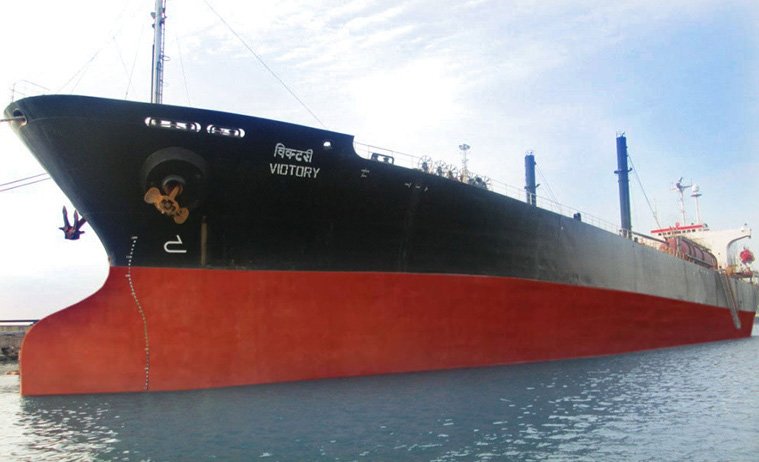
The anticipated increase in seaborne LNG demand is expected to have a corresponding effect on the LNG shipping sector. Vessel operators and charterers are preparing for a period of heightened activity, driven by the need to transport greater volumes of LNG across international waters. The demand for LNG carriers is therefore positioned to strengthen.
This growth trajectory is underpinned by the structural changes occurring within the global energy landscape, particularly in Europe. As the region continues to evolve its energy mix, LNG imports are set to become a foundational component of its supply strategy. The shipping industry plays a critical role in enabling this transition, connecting distant production sites with consumption centers.
- The European Union's evolving energy needs are identified as a primary driver for increased seaborne LNG demand.
- Current European gas inventory levels and Middle Eastern LNG availability are influencing market conditions.
- The LNG shipping sector is expected to see increased activity due to these market dynamics.
Related topics
- Shipping
- Europe
- Energy Demand
- Intermodal
Sourcing & attribution
Reported with reference to Hellenic Shipping News Worldwide. View original report
This article is an original Atlas summary produced under our editorial policy with AI drafting assistance and human editorial review. Spotted an error? Request a correction.
Elena Marchetti
Elena Marchetti covers commodity and energy market structure, benchmarks and trade flows for Atlas Commodity Group. She edits the publication's daily market intelligence coverage.