
Sinokor-Operated Tanker Struck in Strait of Hormuz Incident
A vessel managed by Sinokor suffered three impacts while transiting the Strait of Hormuz, highlighting ongoing maritime security considerations in the critical waterway.
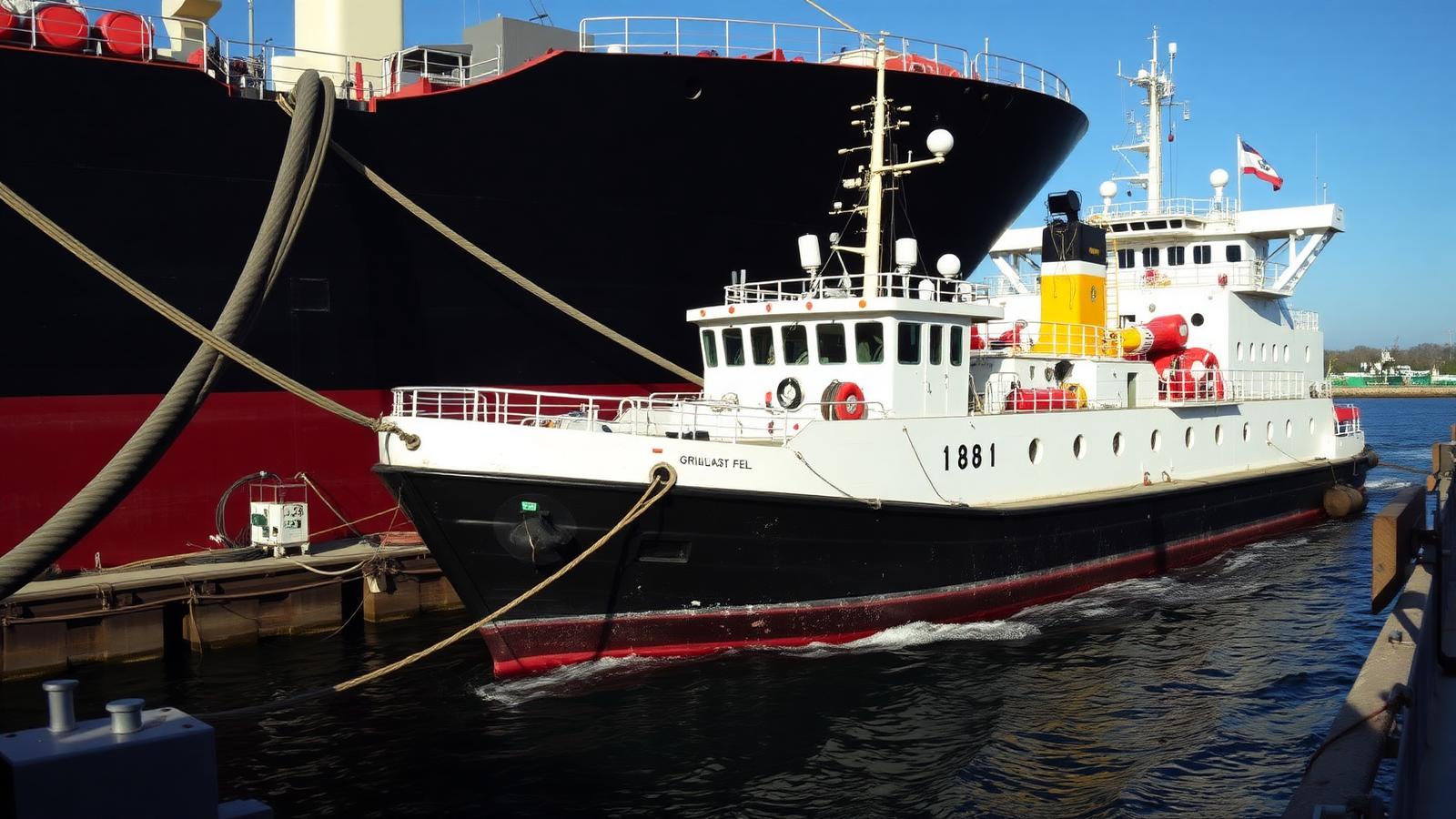
Reports indicate that a tanker under the operational management of Sinokor was struck on three separate occasions during its passage through the Strait of Hormuz. The incident involved impacts to the vessel's hull in the internationally significant shipping lane.
The Strait of Hormuz is a crucial maritime chokepoint, facilitating a substantial portion of global seaborne oil trade. Incidents in this region are closely monitored due to their potential implications for energy markets and shipping operations worldwide.
Details concerning the nature of the impacts or the specific type of vessel involved were not immediately available. However, the event underscores the persistent need for vigilance and robust security measures for commercial shipping navigating the area.
Maritime traffic through the Strait of Hormuz includes a diverse range of vessels, from crude oil tankers to LNG carriers and container ships. Maintaining open and safe passage is paramount for global supply chains and commodity flows.
The frequency and location of such incidents contribute to the broader risk assessment undertaken by maritime insurers, vessel operators, and cargo owners. These assessments can influence routing decisions, insurance premiums, and operational protocols.
Regional Context
Geopolitical dynamics in the Persian Gulf region often influence the security environment for commercial shipping. The Strait of Hormuz, connecting the Persian Gulf with the Arabian Sea and the broader Indian Ocean, is a narrow and heavily trafficked waterway.
Ensuring freedom of navigation through this chokepoint remains a priority for international maritime bodies and navies operating in the area. The continuous presence of various naval forces aims to deter aggression and respond to potential threats to commercial shipping.
What it means
For commodity traders and shipowners, this incident reinforces the elevated risk profile associated with transiting the Strait of Hormuz. Such events can introduce volatility in freight rates, prompt discussions on war risk insurance surcharges, and potentially impact delivery schedules. Traders may need to factor in geopolitical risk more acutely when pricing commodities sourced from or destined for the Persian Gulf, while shipowners must review their security protocols and operational readiness for routes through this strategic waterway.
Related topics
- Sinokor
- Tanker
- Maritime Security
- Shipping
- Commodity Trade
Sourcing & attribution
Reported with reference to Google News syndication. View original report
This article is an original Atlas summary produced under our editorial policy with AI drafting assistance and human editorial review. Spotted an error? Request a correction.

Elena Marchetti
Elena Marchetti covers commodity and energy market structure, benchmarks and trade flows for Atlas Commodity Group. She edits the publication's daily market intelligence coverage.