Swedish Firm Engaged for 1.5 GW LNG-to-Power Project in Southeast Asia
A European engineering and advisory company has been appointed for a significant liquefied natural gas (LNG) development in Vietnam, focusing on integrated power generation infrastructure.
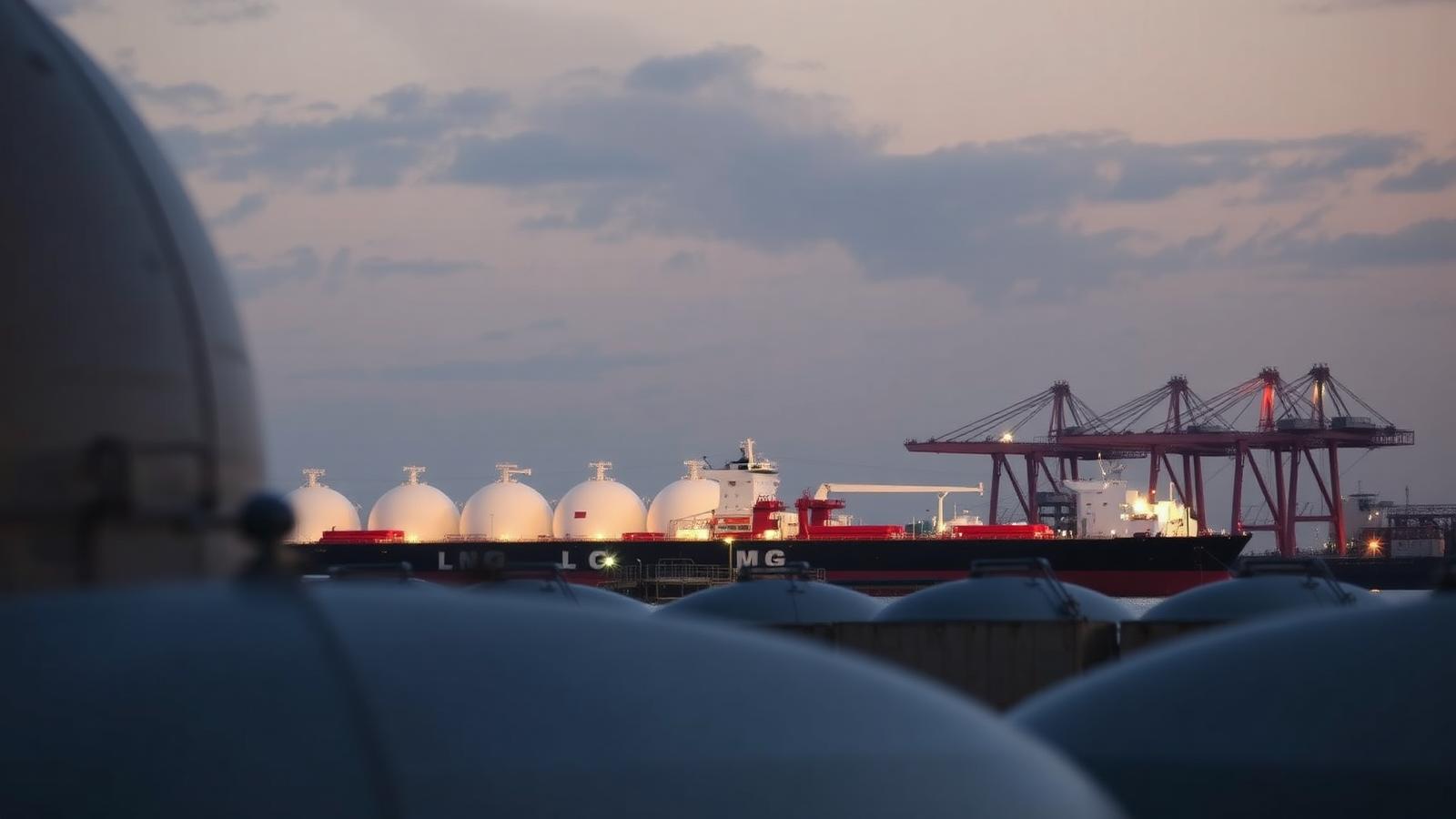
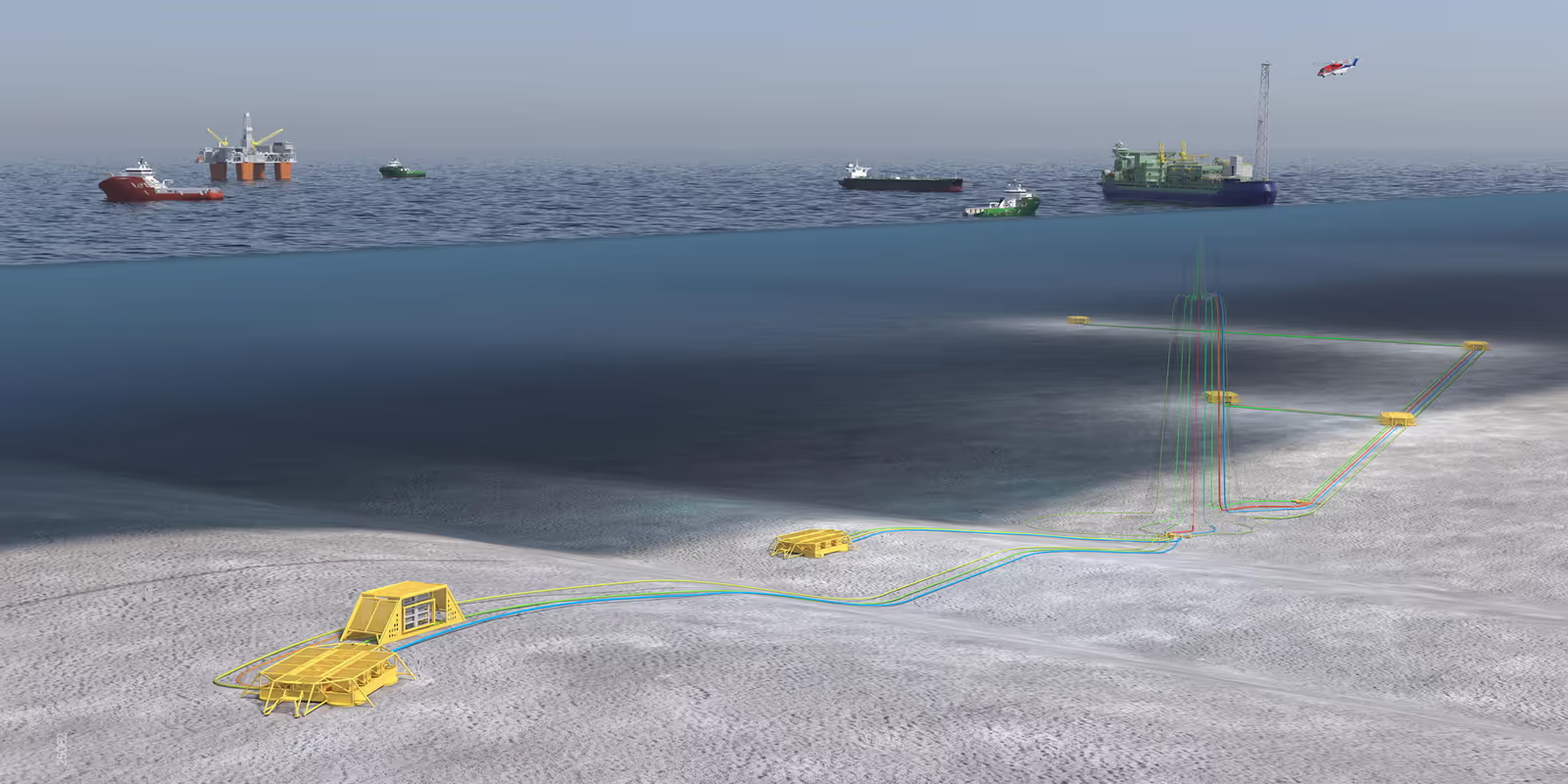
A Swedish engineering, design, and advisory firm has been selected to provide technical advisory services for a major liquefied natural gas (LNG) development located in Southeast Asia. This engagement supports the establishment of new energy infrastructure within the region. The project is designed to integrate an offshore floating LNG (FLNG) terminal with a land-based power generation facility.
The scope of involvement includes expert technical guidance throughout various stages of the development. This advisory role is critical for the coordination and implementation of the complex components inherent in large-scale LNG-to-power initiatives. Such projects typically involve detailed engineering reviews, environmental assessments, and regulatory compliance support.
This particular development is anticipated to have a generation capacity of 1.5 gigawatts (GW). The integration of an FLNG terminal with a gas-fired power plant represents a comprehensive approach to energy supply, combining natural gas import and regasification capabilities with electricity production for the grid. This model is increasingly considered for regions seeking to diversify their energy mix.
Advancing Regional Energy Infrastructure
The project underscores the ongoing expansion of LNG infrastructure across Southeast Asia. The region continues to evaluate and invest in LNG as a key component of its future energy landscape. The strategic integration of import terminals with power generation facilities aims to enhance energy security and reliability.
Such developments contribute to the broader energy transition efforts by offering an alternative to traditional fuel sources. The commitment to large-scale LNG-to-power projects reflects regional strategies to meet growing electricity demand while potentially reducing reliance on more carbon-intensive fuels. This engagement highlights continued international collaboration in developing critical energy assets.
What it means
For commodity traders, this development signals continued demand for LNG in Southeast Asia, reinforcing the region's role as a growing import market. The 1.5 GW capacity implies a significant long-term ऑफftake for LNG. Shipowners may observe increased demand for LNG carriers to support regional supply chains, as well as potential opportunities for specialized FLNG vessel services within integrated projects.
Sourcing & attribution
Reported with reference to Offshore Energy. View original report
This article is an original Atlas summary produced under our editorial policy with AI drafting assistance and human editorial review. Spotted an error? Request a correction.
Elena Marchetti
Elena Marchetti covers commodity and energy market structure, benchmarks and trade flows for Atlas Commodity Group. She edits the publication's daily market intelligence coverage.