
Tanker Freight Rates Reach Record Levels Amid Strait of Hormuz Disruption
The global tanker market is experiencing unprecedented rate increases following operational adjustments necessitated by the Strait of Hormuz situation.
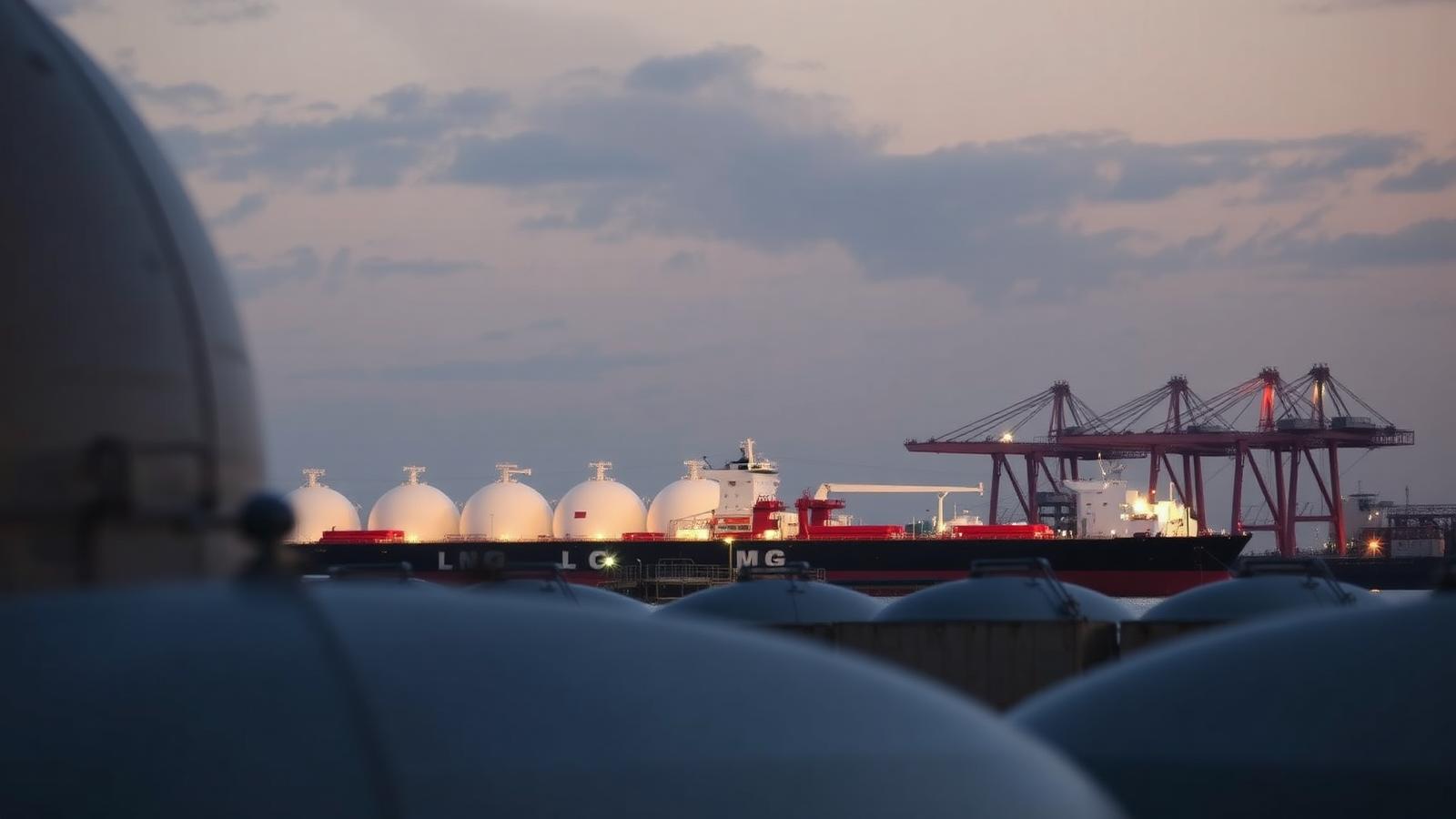
The international tanker freight market has observed a significant escalation in rates, reaching record highs. This development follows a period of disruption impacting transit through the Strait of Hormuz, a critical maritime chokepoint for global oil and refined product shipments. The altered operational landscape has led to adjustments in vessel routing and availability.
Market analysis indicates that the current rate environment is a direct consequence of the reduced traffic volume transiting the Strait. The overall number of vessel movements through this key waterway has seen a decrease, influencing the supply and demand dynamics for available tonnage across various tanker segments. These operational shifts contribute to the current pricing structure observed in the freight market.
Charterers and shipowners are navigating a transformed operational environment. The rerouting of vessels to avoid the Strait has lengthened voyages for some trade lanes, consuming more vessel days and effectively tightening the supply of available tankers. This extended transit time naturally incurs higher operational costs and reduces the efficiency with which vessels can complete voyages.
Market Impact and Operational Adjustments
The impact on tanker rates is evident across multiple segments of the global fleet. Both crude oil tankers and product tankers are subject to the prevailing market conditions. The need for alternative routes or modified shipping schedules contributes to the upward pressure on charter prices, reflecting the increased complexity and duration of voyages.
Ship operators are assessing strategies to manage these new operational realities. Considerations include route optimization, bunkering strategies for longer journeys, and scheduling adjustments to accommodate extended transit times. The ongoing situation in the Strait of Hormuz continues to be a primary factor in these planning processes, influencing decisions across the shipping and energy sectors.
What it means
For commodity traders and shipowners, the current record-high tanker rates signify elevated transportation costs for crude oil and refined products. This environment necessitates careful consideration of freight components in pricing and contract negotiations. Shipowners are benefiting from increased earnings, while traders face higher landed costs, potentially impacting arbitrage opportunities and global supply chain logistics. Forward planning for vessel bookings and route selections becomes critical in managing these operational and financial impacts.
Sourcing & attribution
Reported with reference to Google News syndication. View original report
This article is an original Atlas summary produced under our editorial policy with AI drafting assistance and human editorial review. Spotted an error? Request a correction.
Elena Marchetti
Elena Marchetti covers commodity and energy market structure, benchmarks and trade flows for Atlas Commodity Group. She edits the publication's daily market intelligence coverage.