
Tanker Incident Reported in Strait of Hormuz
A tanker transiting the Strait of Hormuz has sustained damage following an impact. The incident occurred amidst heightened regional maritime activity.
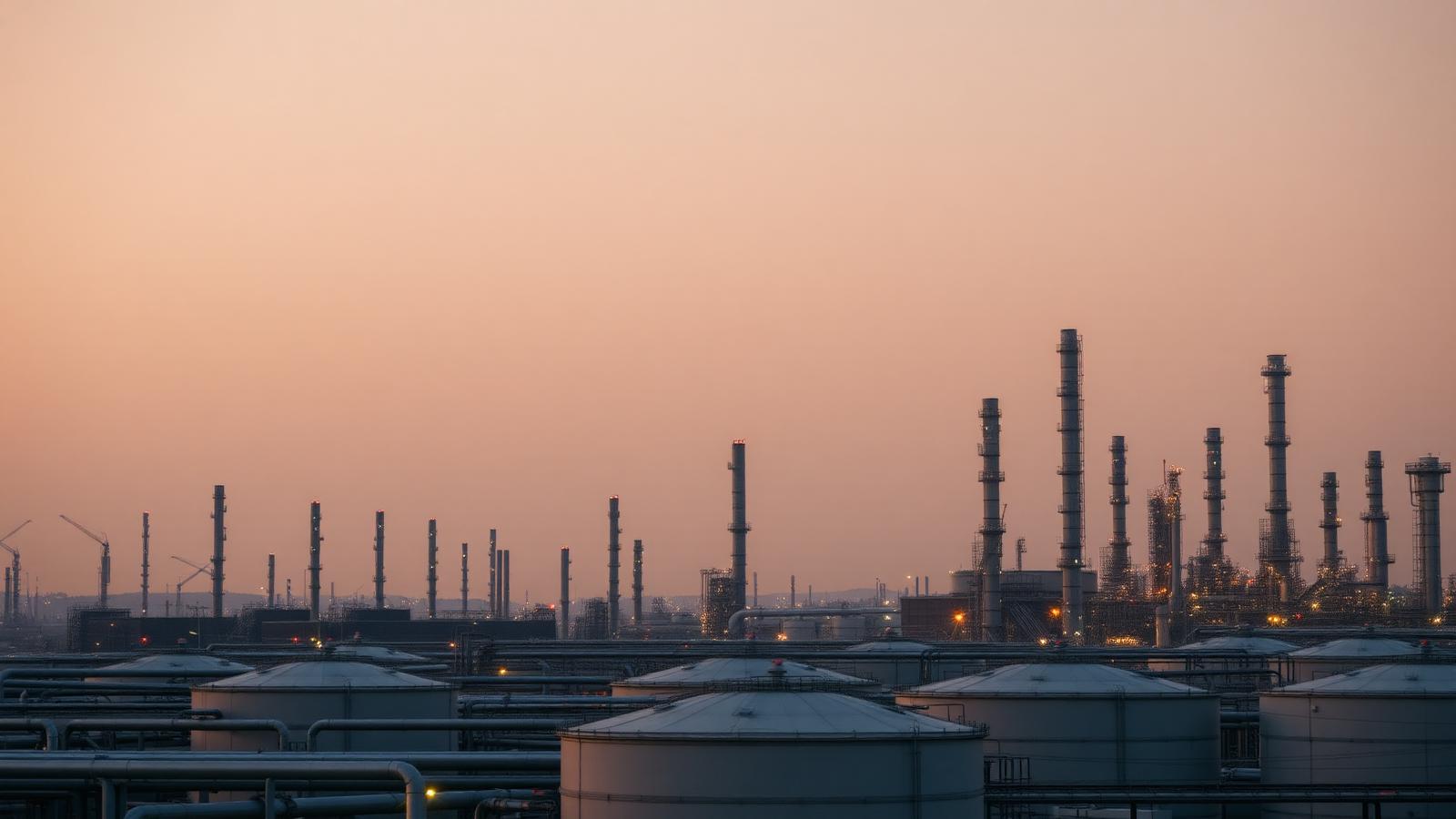
A merchant tanker has reportedly sustained damage while navigating the Strait of Hormuz. The vessel, identified as a VLCC (Very Large Crude Carrier) was reportedly struck by a projectile. Details regarding the exact nature of the projectile and the extent of the damage remain limited.
The incident took place in a critical maritime chokepoint for global energy shipments. The Strait of Hormuz connects the Persian Gulf with the Arabian Sea and is a vital transit route for a significant portion of the world's crude oil.
Following the impact, the tanker continued its voyage. No reports of a crew injury or significant environmental pollution have been made public. Investigations into the cause and circumstances surrounding the incident are expected to be initiated.
Iran's state media has reported on the incident, attributing it to a mine attack. This claim specifically referenced damage to a VLCC. Official confirmation or denial of this specific claim from other parties involved or independent maritime authorities has not yet been provided.
Maritime security analysts are closely monitoring the situation. Such events in key shipping lanes can influence perceived risk levels for vessels operating in the region. The security of navigation in the Strait of Hormuz is a recurring point of focus for international maritime bodies.
Regional Context for Shipping
The Strait of Hormuz is approximately 39 kilometers wide at its narrowest point, with designated shipping lanes for inbound and outbound traffic. Thousands of commercial vessels, including oil tankers, pass through this strait annually, transporting crude oil, refined products, and other commodities.
The incident underscores the ongoing considerations for ship operators and cargo owners regarding maritime safety and security in the Persian Gulf region. Navigational advisories are routinely updated by various maritime organizations to inform vessels of potential hazards.
What it means
For commodity traders and shipowners, this incident highlights persistent geopolitical risks affecting key energy transit routes. While specific details are scarce, any disruption or security concern in the Strait of Hormuz can lead to increased insurance premiums, re-evaluation of shipping routes, and potential impacts on crude oil and refined product prices due to perceived supply chain vulnerabilities. Monitoring official statements and maritime security alerts will be crucial for risk assessment and operational planning.
Related topics
- Tanker Incident
- Maritime Security
- VLCC
- Crude Oil Shipping
- Energy Markets
- Shipping Lanes
Sourcing & attribution
Reported with reference to Google News syndication. View original report
This article is an original Atlas summary produced under our editorial policy with AI drafting assistance and human editorial review. Spotted an error? Request a correction.

Elena Marchetti
Elena Marchetti covers commodity and energy market structure, benchmarks and trade flows for Atlas Commodity Group. She edits the publication's daily market intelligence coverage.