
Tanker Market Experiences Rate Surge Amidst Gulf Oil Activity
The global tanker market has recently observed a notable increase in shipping rates, particularly for crude oil transport from the Persian Gulf. This development coincides with a sustained flow of oil exports from the region.
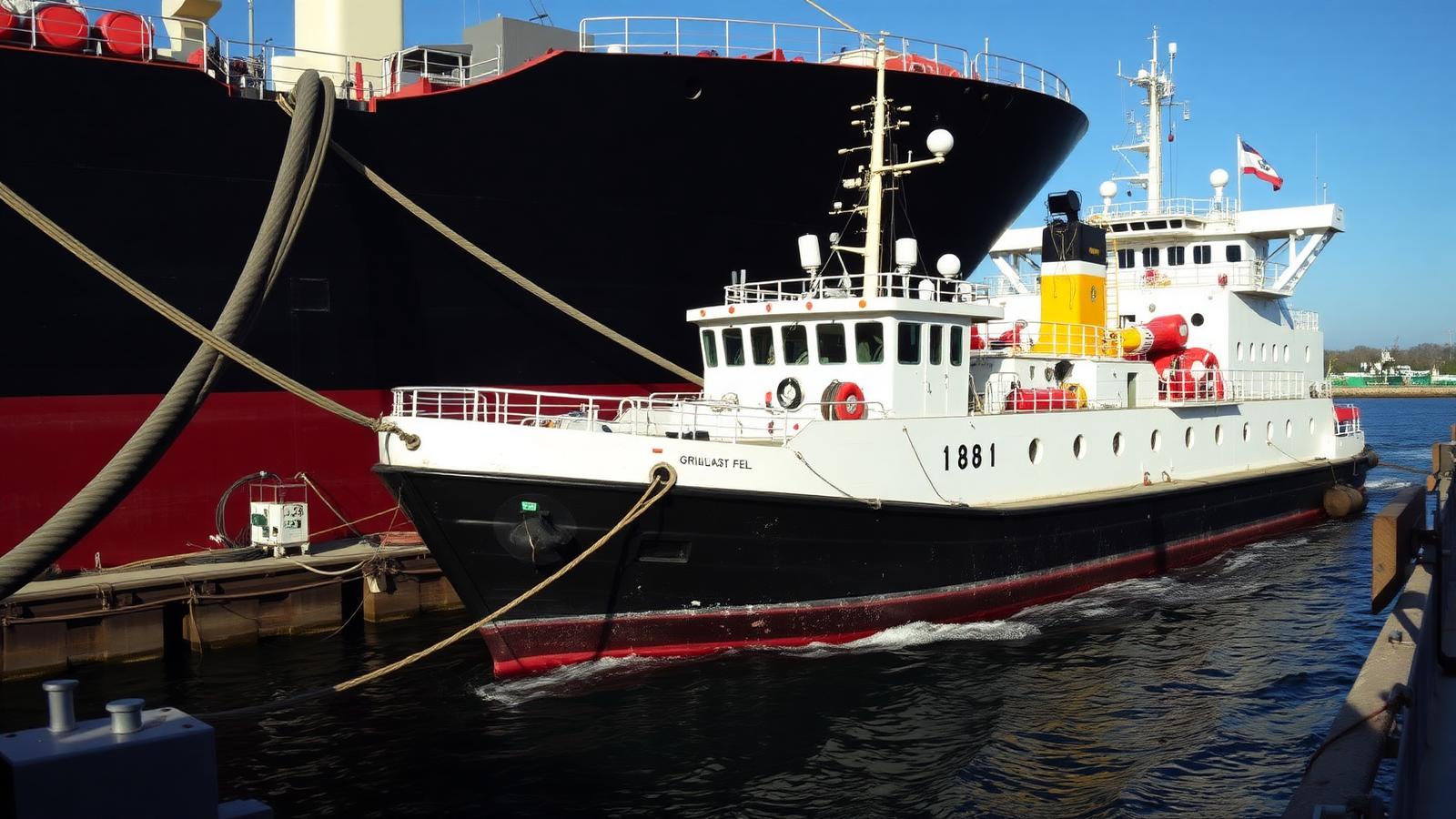
The tanker sector has experienced a significant escalation in freight rates, reflecting dynamics within the global oil trade. This upward trend in shipping costs has been particularly pronounced for routes originating in the Persian Gulf, a critical region for international crude oil supply.
This surge in rates has been linked to continued high volumes of crude oil being exported from Persian Gulf nations. Demand for tanker capacity on these routes has remained robust, contributing to the tightening of vessel availability and subsequent price increases.
Market analysis indicates that these elevated freight rates are not solely a reflection of increased demand, but also a response to evolving operational considerations. The sustained activity in a region known for its geopolitical complexities has influenced chartering decisions and risk assessments within the shipping industry.
Shipowners and operators are navigating a landscape where the cost of transporting crude oil has reached levels not seen in recent periods. This scenario presents both opportunities and challenges for stakeholders across the maritime logistics chain, from charterers to vessel financiers.
Market Dynamics and Operational Impact
The prevailing market conditions suggest that the balance between available tanker tonnage and the volume of crude oil requiring transport is currently favoring vessel owners. This imbalance is a primary driver behind the strengthened rate environment observed in recent weeks.
Factors such as port congestion, rerouting, and enhanced security protocols, while not explicitly detailed, generally contribute to longer voyage times and increased operational expenses. These elements collectively reduce the effective supply of vessels, thereby exerting upward pressure on charter rates.
Crude oil shipments from the Persian Gulf continue to underpin a substantial portion of global energy supply. The persistence of these export volumes, irrespective of broader regional narratives, has directly contributed to the current demand for tanker services.
What it means
For commodity traders, the elevated tanker rates from the Persian Gulf signal increased landed costs for crude oil, potentially impacting arbitrage opportunities and hedging strategies. Shipowners stand to benefit from higher revenue per voyage, but must also account for any associated increases in operational costs and insurance premiums in a dynamic geopolitical environment.
Related topics
- Persian Gulf
- Crude Oil
- Shipping Market
- Freight Rates
- Oil Exports
Sourcing & attribution
Reported with reference to Google News syndication. View original report
This article is an original Atlas summary produced under our editorial policy with AI drafting assistance and human editorial review. Spotted an error? Request a correction.

Elena Marchetti
Elena Marchetti covers commodity and energy market structure, benchmarks and trade flows for Atlas Commodity Group. She edits the publication's daily market intelligence coverage.