
Tema Port Congestion and Operating Costs Draw Industry Attention
Industry stakeholders are highlighting persistent operational challenges at Tema Port, noting impacts on efficiency and business expenditure.
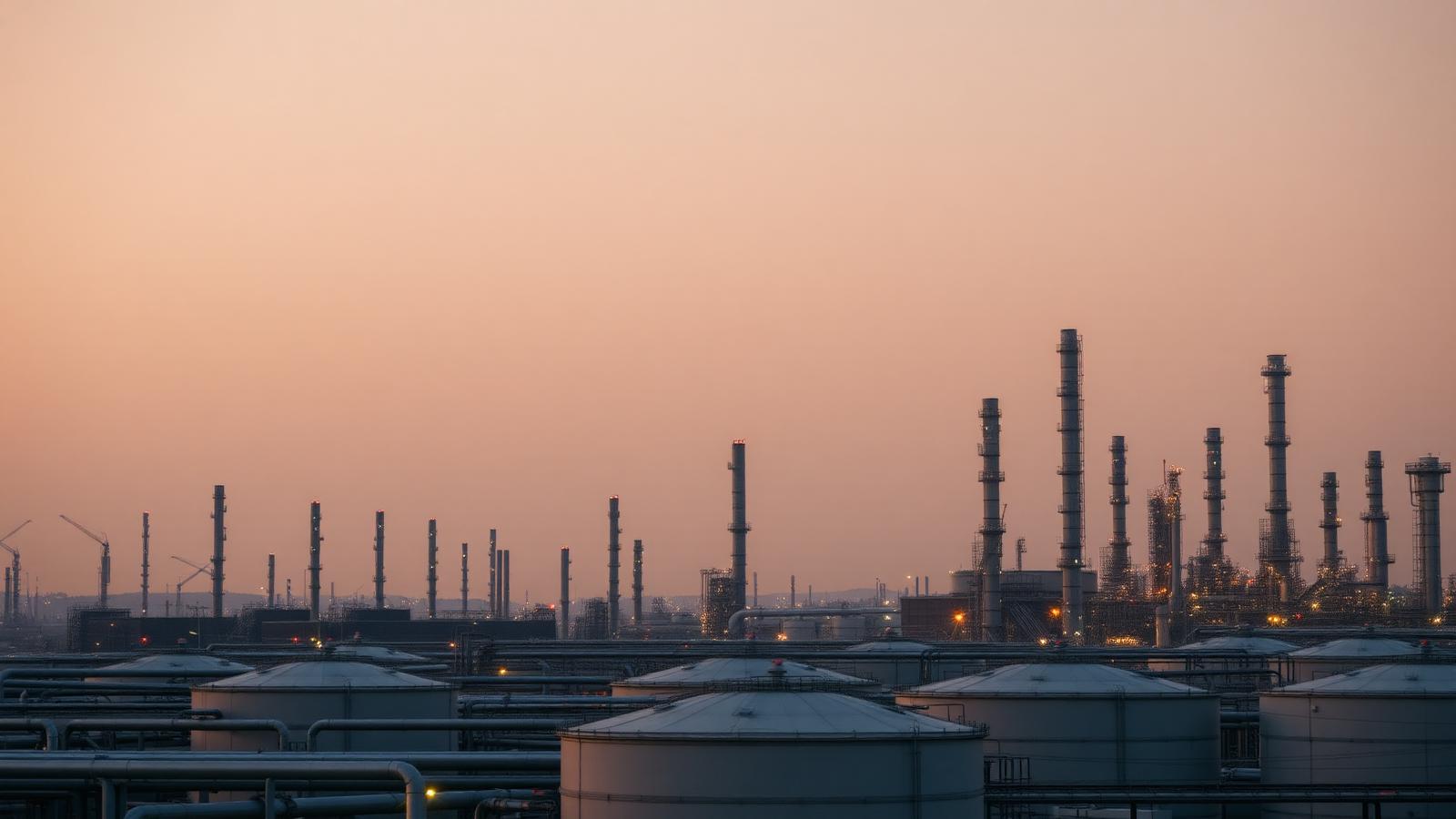
Concerns regarding operational efficiency and rising costs at Tema Port have been brought forward by a key industry association. The Ghana Union of Traders' Associations (GUTA) has observed prolonged vessel waiting times and delays in cargo clearance processes, contributing to an increase in business operating expenses.
These delays reportedly affect both the unloading of goods from arriving vessels and the subsequent movement of cargo through the port facilities. The association indicates that the cumulative effect of these inefficiencies translates to higher costs for businesses utilizing the port for imports and exports.
The reported issues include difficulties related to the timely processing of documentation and physical cargo movement. These factors can lead to extended periods during which goods remain within the port area, incurring additional charges such as demurrage and storage fees.
Operational Challenges Highlighted
The Ghana Ports and Harbours Authority (GPHA) has been apprised of these operational challenges. The feedback from GUTA points to a need for improved coordination and streamlined processes within the port environment to mitigate the identified difficulties.
Specific areas of concern relate to the overall turnaround time for vessels and cargo. The objective cited by the association is to enhance the port's capacity to handle trade volumes efficiently, thereby supporting the economic activities reliant on Tema Port.
Operational inefficiencies at major trade hubs like Tema Port can have ripple effects across supply chains. Businesses face pressures from increased logistics costs and potential disruptions to their inventory management and delivery schedules due to these prolonged delays.
Addressing these challenges proactively is crucial for maintaining the competitiveness of businesses operating through the port. Effective port operations are a fundamental component of international trade infrastructure, influencing overall national economic performance.
Impact on Trade Dynamics
The rising operational costs associated with Tema Port's current conditions are a significant point of focus for traders. These costs can eventually be passed on to consumers or erode profit margins for businesses involved in import and export activities.
Ensuring a smooth flow of goods through the port is essential for both domestic supply chains and Ghana's position in regional and international trade. Persistent delays and increased expenses can deter trade volumes and impact investment decisions for companies reliant on port services.
What it means
For commodity traders and shipowners, sustained congestion at Tema Port signals potential increases in demurrage charges, longer lead times for cargo delivery, and higher overall logistics costs. Shipowners may face extended vessel turnaround times, impacting fleet scheduling and profitability. Traders should factor these potential delays and increased costs into their shipping contracts and supply chain planning to mitigate financial exposure and ensure timely deliveries, potentially exploring alternative routing or adjusting inventory strategies if challenges persist.
Sourcing & attribution
Reported with reference to Google News syndication. View original report
This article is an original Atlas summary produced under our editorial policy with AI drafting assistance and human editorial review. Spotted an error? Request a correction.

Elena Marchetti
Elena Marchetti covers commodity and energy market structure, benchmarks and trade flows for Atlas Commodity Group. She edits the publication's daily market intelligence coverage.