
Tema Port Congestion Concerns Raised by Trade Group
The Ghana Union of Traders' Associations (GUTA) has called for intervention regarding ongoing congestion at Tema Port, citing potential impacts on operational costs for businesses.
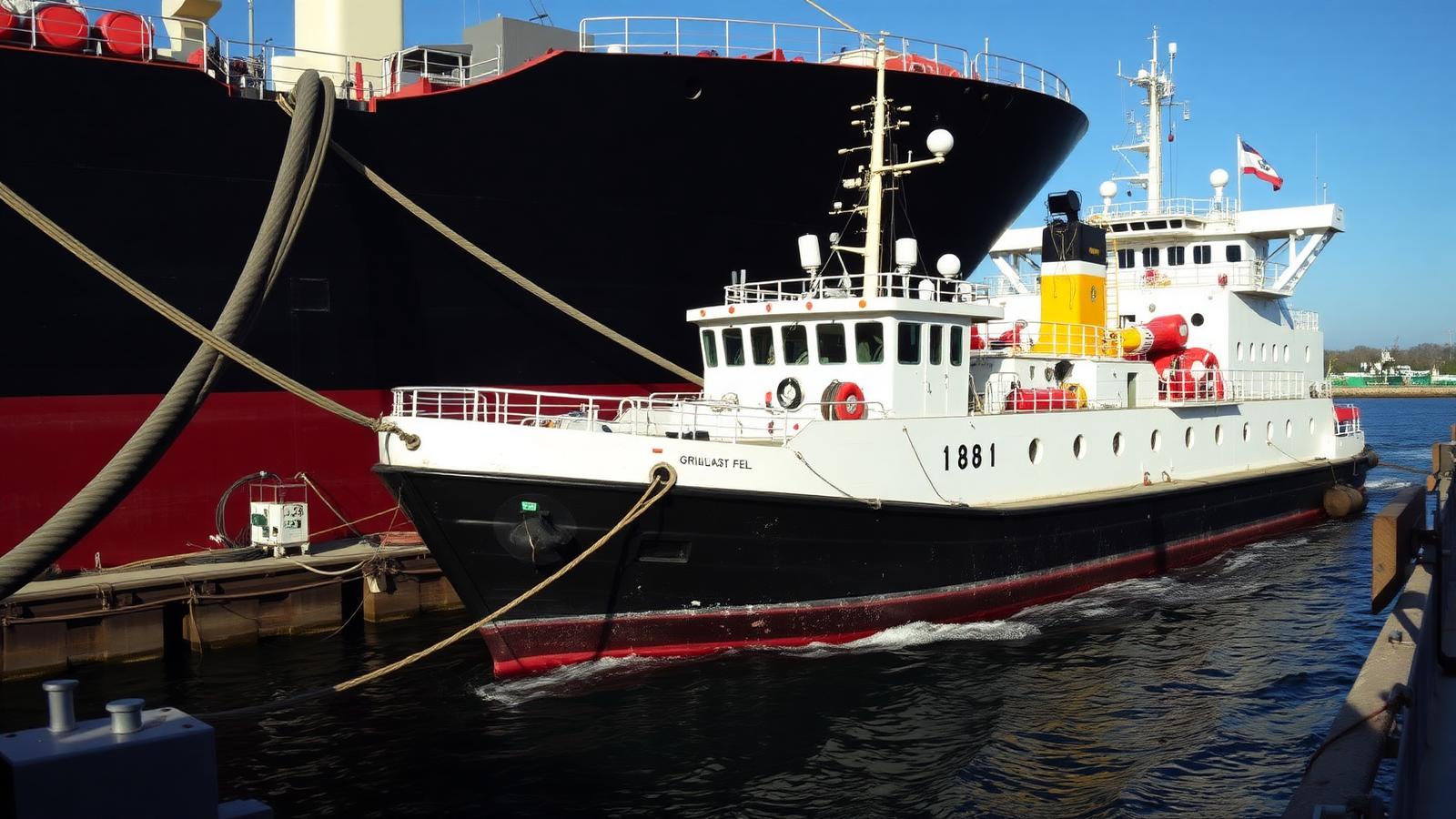
The Ghana Union of Traders' Associations (GUTA) has highlighted concerns regarding persistent congestion at Tema Port. The association has formally requested that the Ghana Ports and Harbours Authority (GPHA) address the current operational challenges. This appeal comes amidst reports of difficulties faced by businesses utilizing the port.
The reported congestion could lead to increased operational expenditures for traders and businesses reliant on the port for imports and exports. Delays in cargo handling and vessel turnaround times contribute to these rising costs, affecting supply chain efficiency and overall business viability in the region.
GUTA's concerns center on the economic ramifications for its members. Prolonged delays translate into additional expenses, which can include demurrage charges, storage fees, and increased transport costs due to extended waiting periods. Such burdens can erode profit margins and potentially impact consumer prices.
Impact on Trade and Logistics
The current situation at Tema Port has implications for the broader trade and logistics sector. Efficient port operations are critical for maintaining competitive trade routes and supporting economic growth. Disruptions can ripple through various industries, affecting inventory management, production schedules, and market supply.
The GPHA, as the port authority, is responsible for the management and development of Ghana's ports, including Tema Port. Their mandate includes ensuring smooth and efficient port operations to facilitate trade. Addressing the reported congestion would involve reviewing current operational procedures and potentially implementing measures to enhance cargo flow and vessel scheduling.
Effective port management is a key factor in regional trade competitiveness. Delays at major ports can divert cargo to alternative routes or create bottlenecks that affect regional and international supply chains. Stakeholders are keen to see resolutions that support the port's role as a vital trade gateway.
What it means
For commodity traders and shipowners, persistent congestion at a key West African port like Tema signals potential risks and increased operational costs. Traders may face higher demurrage and detention charges, impacting landed costs of goods. Shipowners could experience longer vessel turnaround times, affecting schedule reliability and bunker consumption. Monitoring the situation at Tema Port and understanding potential GPHA responses is crucial for risk management and operational planning in the West African trade lanes.
Related topics
- GUTA
- GPHA
- Port Operations
- Supply Chain
- Trade Logistics
- West Africa
Sourcing & attribution
Reported with reference to Google News syndication. View original report
This article is an original Atlas summary produced under our editorial policy with AI drafting assistance and human editorial review. Spotted an error? Request a correction.

Elena Marchetti
Elena Marchetti covers commodity and energy market structure, benchmarks and trade flows for Atlas Commodity Group. She edits the publication's daily market intelligence coverage.