
Tema Port Experiences Increased Congestion, Raising Trade Efficiency Concerns
Operational challenges at Ghana's Tema Port, including vessel queues and extended berthing times, are impacting shipping schedules and cargo movement.
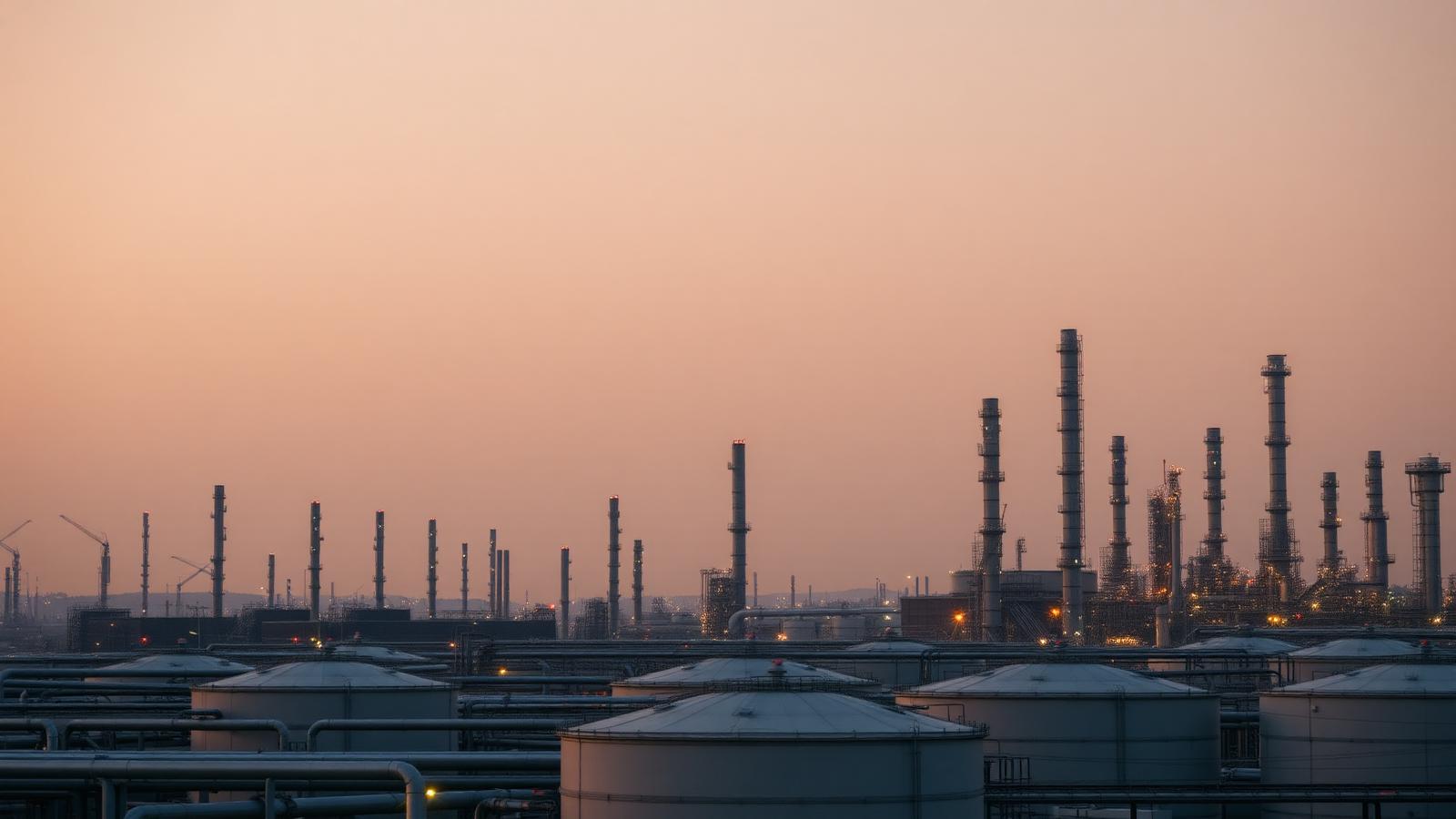
Tema Port, a significant maritime gateway, has been experiencing a notable increase in congestion. This situation is characterized by a rise in the number of vessels awaiting berths and prolonged waiting periods for ships. These operational challenges have implications for the efficiency of cargo handling and overall port performance.
The heightened congestion observed at Tema Port is contributing to extended turnaround times for vessels. Shipping lines and cargo owners are facing delays in offloading and loading operations, which can disrupt established logistical chains. Such disruptions often necessitate adjustments to vessel schedules and delivery timelines.
Several factors contribute to the current operational environment at the port. These include aspects related to the volume of trade passing through the facility and the coordination of port services. The efficiency of cargo evacuation from the port area also plays a role in managing overall throughput.
Operational Impact on Shipping and Trade
The cumulative effect of these delays extends beyond the immediate port area, influencing regional shipping dynamics. Vessel operators are required to account for longer waiting times when planning voyages to and from Tema, which can affect the reliability of shipping services. This situation highlights the critical need for robust port infrastructure and streamlined operational processes to maintain competitive trade routes.
For businesses relying on Tema Port for imports and exports, the current congestion presents logistical hurdles. Importers may face delays in receiving goods, potentially impacting supply chain continuity and inventory management. Exporters, in turn, could experience challenges in meeting shipping deadlines, affecting international trade commitments.
Efficient port operations are fundamental to supporting a nation's trade objectives and economic competitiveness. Delays at a major port can elevate the costs associated with international trade, including demurrage charges and other logistics-related expenses. Addressing these operational bottlenecks is crucial for maintaining the port's role as a key facilitator of commerce.
Broader Economic Considerations
The sustained efficiency of maritime logistics hubs like Tema Port is vital for regional economic stability. When port operations are challenged by congestion, there can be a ripple effect on various sectors of the economy dependent on timely cargo movement. This includes manufacturing, retail, and agriculture, all of which rely on predictable shipping schedules.
Maintaining the flow of goods through key ports is also important for managing trade volumes and ensuring market access for commodities. A port operating at optimal efficiency contributes to a more predictable and cost-effective trading environment, which is beneficial for all stakeholders involved in the supply chain.
Related topics
- Ghana Shipping
- Port Operations
- Trade Logistics
- Vessel Delays
- Cargo Movement
Sourcing & attribution
Reported with reference to Google News syndication. View original report
This article is an original Atlas summary produced under our editorial policy with AI drafting assistance and human editorial review. Spotted an error? Request a correction.

Elena Marchetti
Elena Marchetti covers commodity and energy market structure, benchmarks and trade flows for Atlas Commodity Group. She edits the publication's daily market intelligence coverage.