
Typhoon Activity Disrupts East Asian Port Operations and Shipping Schedules
Consecutive typhoon events have led to significant operational challenges and vessel backlogs across key East Asian shipping hubs over a ten-day period.
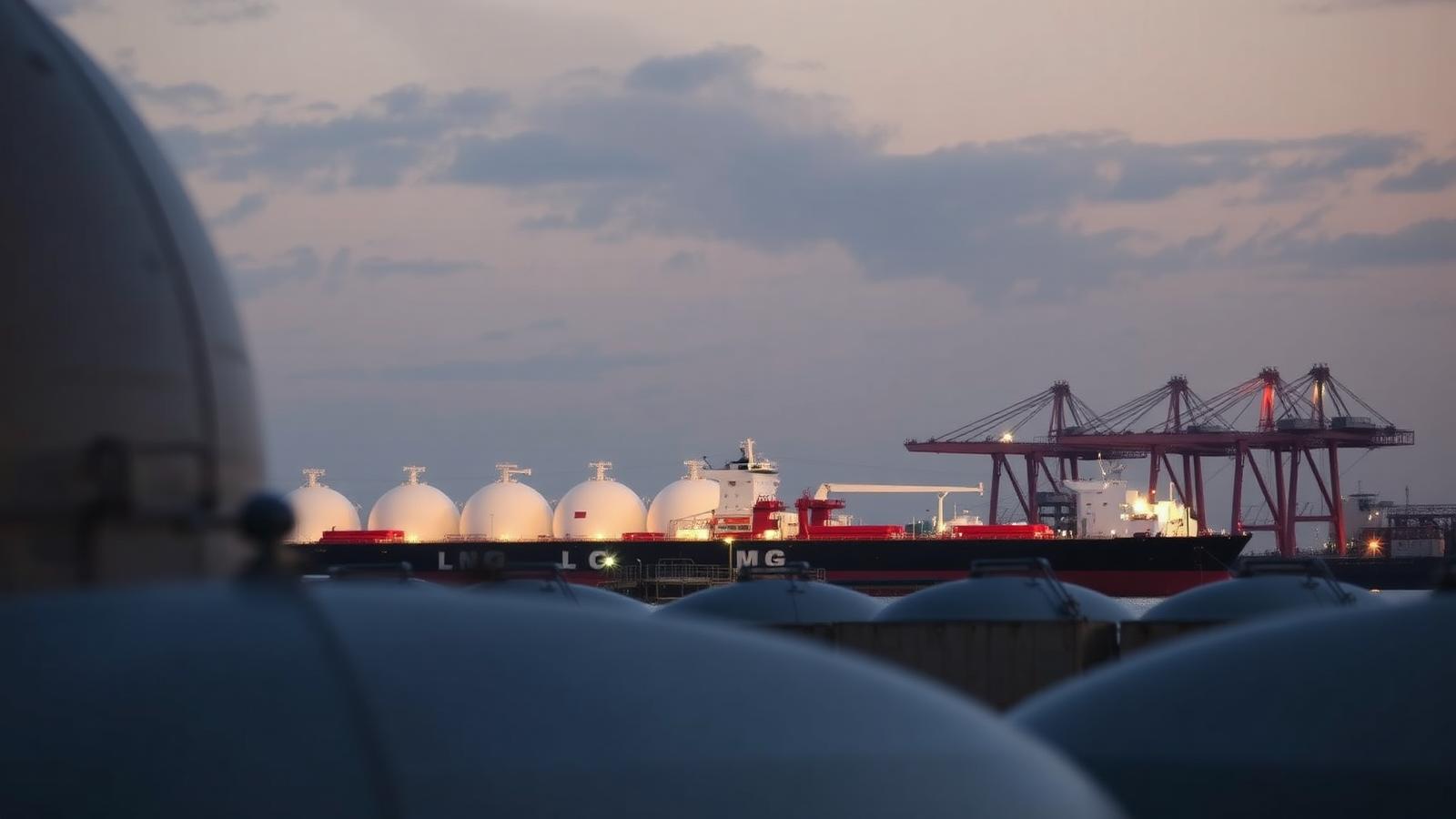
East Asian port facilities have experienced notable operational disruptions following the impact of two distinct typhoon systems. These weather events, occurring approximately ten days apart, contributed to delays in cargo handling and vessel movements throughout the region's busy maritime trade lanes. Port authorities and terminal operators implemented various protocols to manage the safety of personnel and infrastructure during the severe weather.
The successive typhoons necessitated temporary closures or reduced operational capacities at several ports. This measure, while essential for safety, inevitably led to a buildup of vessels awaiting docking and processing. Shipping lines adjusted schedules and routing where possible, but the sequential nature of the storms limited the immediate recovery of standard operations.
The accumulation of vessels at anchorages outside major ports became a visible indicator of the disruption. Such backlogs can strain port resources, including tug services, pilotage, and berthing space, once normal operations resume. The efficient clearance of this backlog is a priority for restoring fluidity to the supply chain.
Operational Impact and Recovery Efforts
Terminal operations, including container loading and unloading, were directly affected by high winds and heavy rainfall associated with the typhoons. Ground transport for cargo, both incoming and outgoing, also faced impediments due to weather conditions, further contributing to delays in the broader logistics chain. The safety of port workers and seafarers remained paramount during the severe weather.
Following the passage of each typhoon, port personnel initiated recovery operations to assess any damage and restore full operational capacity. This process includes clearing debris, inspecting equipment, and coordinating with vessels to manage arrival and departure queues. The resilience of port infrastructure was tested by the intensity of the weather events.
Implications for Maritime Logistics
The series of typhoons underscored the vulnerability of maritime supply chains to natural phenomena in regions prone to severe weather. Such events can trigger ripple effects across interconnected global shipping networks, leading to extended transit times and potential container repositioning challenges. The ability to quickly adapt and recover is critical for maintaining trade flow.
Logistics providers and shippers are now assessing the cumulative impact on vessel schedules and cargo delivery timelines. While individual storm events can be managed, their close succession presents a more complex challenge for restoring equilibrium to port throughput and vessel rotations in the region.
Related topics
- Typhoons
- East Asia Shipping
- Maritime Logistics
- Supply Chain Disruption
- Vessel Backlog
- Terminal Operations
Sourcing & attribution
Reported with reference to Google News syndication. View original report
This article is an original Atlas summary produced under our editorial policy with AI drafting assistance and human editorial review. Spotted an error? Request a correction.

Elena Marchetti
Elena Marchetti covers commodity and energy market structure, benchmarks and trade flows for Atlas Commodity Group. She edits the publication's daily market intelligence coverage.