
US Refinery Outages May Affect Tanker Freight Dynamics
Unanticipated disruptions at refineries in the United States have the potential to influence seaborne freight trade patterns, particularly for tankers transporting refined petroleum products.
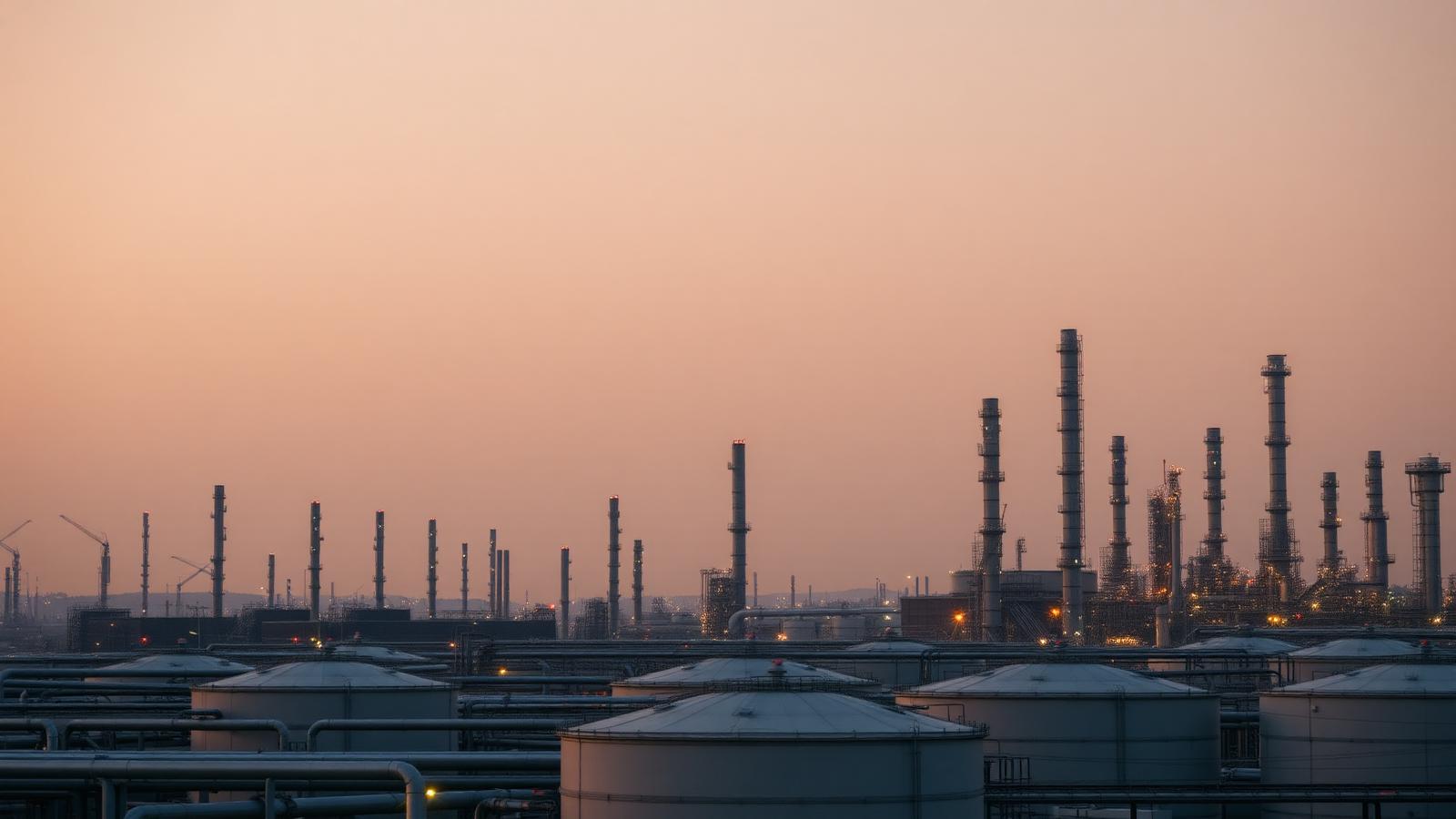
Unforeseen operational interruptions within the US refinery sector could contribute to shifts in the global tanker market. These domestic refining capacity reductions can lead to altered demand for crude oil imports, as well as changes in the export volumes of refined products.
Such outages typically result from various operational issues, including mechanical failures, maintenance requirements, or unexpected shutdowns. The immediate consequence often involves a temporary decrease in processing capability, which then propagates through the supply chain.
For crude oil tankers, reduced refinery throughput can translate to lower demand for feedstock deliveries to the affected regions. This might necessitate re-routing vessels or adjusting loading schedules, potentially increasing vessel availability in certain areas.
Conversely, the impact on product tankers can be more complex. A decrease in domestic refining output might initially reduce the availability of products for export. However, to compensate for shortfalls in domestic supply, there could be an increased need for refined product imports.
This dynamic could lead to an uptick in demand for product tankers to transport fuels from other regions into the US. The specific trade lanes affected would depend on the location of the outages and the origin of replacement product supplies.
The overall effect on freight rates and vessel utilization would hinge on the duration and scale of these refinery disruptions. Short-term outages might create temporary market imbalances, while more prolonged issues could instigate more significant, sustained changes in trading patterns.
Industry participants continuously monitor these developments to anticipate potential shifts in cargo availability and vessel demand. The interconnected nature of global energy markets ensures that regional refinery status can have broader implications for seaborne trade.
These operational events underscore the sensitivity of the shipping sector to disruptions in the energy supply chain. The ability of refiners to maintain consistent operations is a key factor influencing the stability of both crude and product tanker demand.
Related topics
- Refinery Outages
- Freight Trade
- Crude Oil
- Refined Products
- Shipping
Sourcing & attribution
Reported with reference to Google News syndication. View original report
This article is an original Atlas summary produced under our editorial policy with AI drafting assistance and human editorial review. Spotted an error? Request a correction.

Elena Marchetti
Elena Marchetti covers commodity and energy market structure, benchmarks and trade flows for Atlas Commodity Group. She edits the publication's daily market intelligence coverage.