
US Refining Sector Witnesses Elevated Margin Environment Amid Supply Dynamics
Market conditions for US refiners indicate a period of high profitability, driven by current fuel market trends.
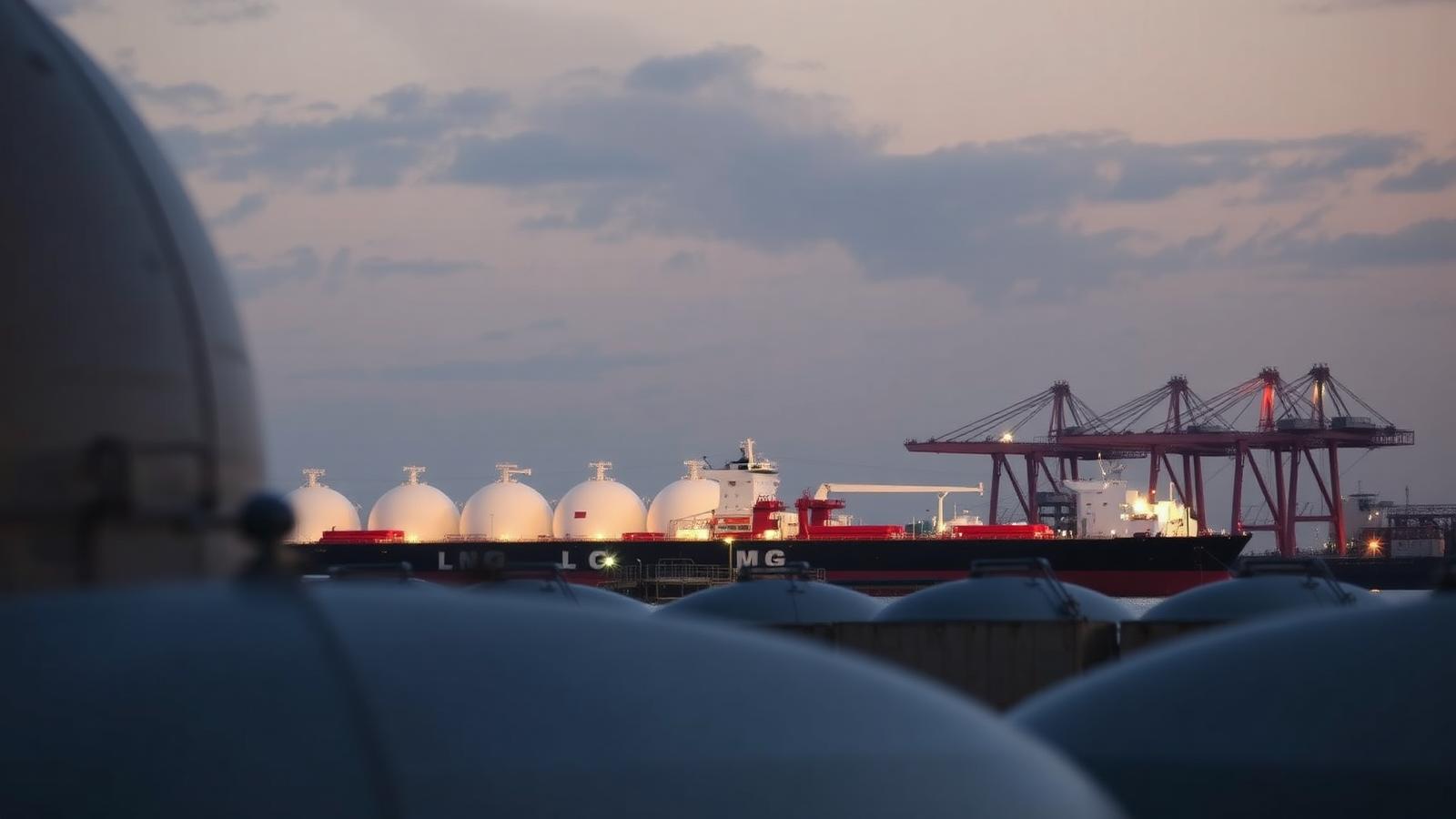
The United States refining sector is currently experiencing a landscape characterized by robust operational margins. This development reflects a confluence of factors influencing the supply and demand equilibrium within the domestic fuel market. Refiners are navigating a period where the economic output from processing crude oil into finished products has reached notable levels.
These elevated margins suggest a persistent demand for refined products across various sectors. The current market structure allows for significant returns on the refining process, indicating a favorable environment for producers. This financial dynamic is a key indicator of underlying market pressures and prevailing economic conditions.
The profitability seen in the refining industry is closely tied to the cost of crude feedstock relative to the selling price of gasoline, diesel, and jet fuel. When the spread between these inputs and outputs widens, refiner margins naturally increase. Such movements are typically monitored by market participants as an gauge of sector health and overall fuel availability.
Market Dynamics and Product Availability
Concerns surrounding the adequacy of fuel supplies within the market have been noted. These concerns may contribute to the upward pressure on refined product prices, thereby supporting higher margins for companies involved in petroleum refining. The balance between production capacity and consumer demand remains a critical factor in this environment.
Various elements can impact the availability of fuel, including refinery operational rates, inventory levels, and logistical efficiencies. When these factors align to create tighter market conditions, the economic incentives for refiners to maximize output can strengthen. This interplay of supply considerations and market pricing is fundamental to understanding current margin levels.
Refining Sector Performance Indicators
The current operational backdrop for US refiners signifies a phase of strong financial performance within the industry. This performance is a direct reflection of the economic value generated from converting crude oil into essential energy commodities. The sustained nature of these margins suggests a broader trend within the energy landscape.
Market participants typically analyze such margin trends to assess the short-to-medium term outlook for the refining segment. High margins can incentivize increased throughput, where feasible, potentially addressing some of the underlying supply concerns. However, the exact mechanisms and timing of such responses are subject to various operational and market constraints.
What it means
For commodity traders, elevated US refiner margins indicate a potentially tight market for refined products, which could support higher prices for gasoline, diesel, and other distillates. This situation may also impact crude oil differentials, as refiners bid for feedstock. Shipowners might face increased bunkering costs due to broader fuel price strength, while also observing higher demand for refined product tankers if product balances require repositioning.
Sourcing & attribution
Reported with reference to Google News syndication. View original report
This article is an original Atlas summary produced under our editorial policy with AI drafting assistance and human editorial review. Spotted an error? Request a correction.

Elena Marchetti
Elena Marchetti covers commodity and energy market structure, benchmarks and trade flows for Atlas Commodity Group. She edits the publication's daily market intelligence coverage.