WinGD Study Highlights LNG as Key Retrofit for Early Financial Return, Calls for Policy Support
A recent analysis from WinGD suggests that retrofitting vessels for LNG operation offers the most immediate financial benefits among alternative fuel pathways, while also addressing emissions reduction targets.
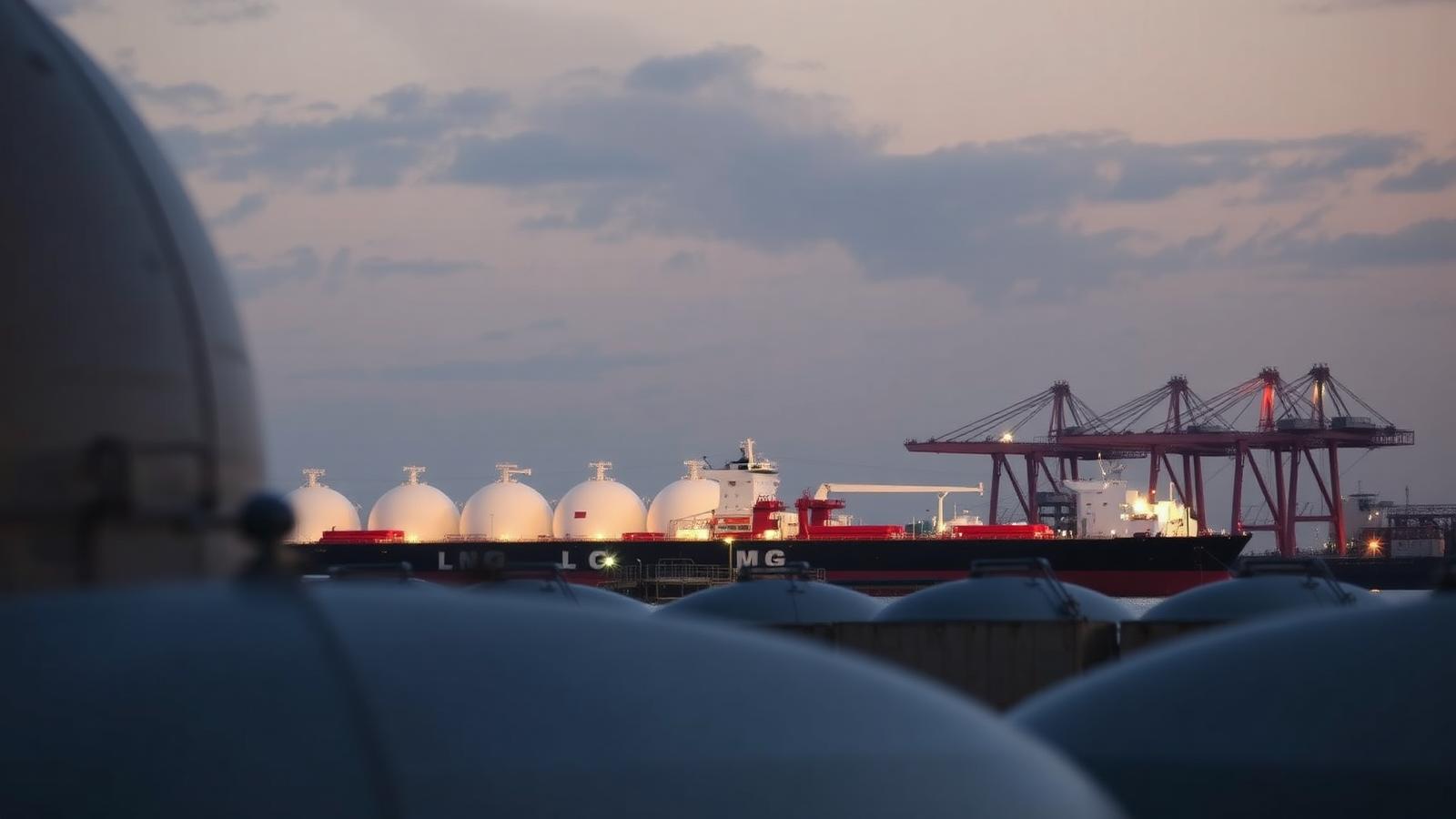
A study conducted by WinGD has evaluated the economic and environmental performance of various alternative fuel retrofit options for the shipping industry. The analysis indicates that liquefied natural gas (LNG) retrofits provide the strongest and earliest financial return for vessel operators when compared to other alternative fuel solutions.
The study also examined retrofits for ammonia and bio-methanol, noting their potential for more substantial emissions reductions over a vessel's lifespan. However, these options were found to require longer payback periods for the initial investment compared to LNG.
Despite varying payback timelines, the WinGD study concluded that all three retrofit pathways – LNG, ammonia, and bio-methanol – demonstrate superior performance over continuing to operate vessels solely on very low sulfur fuel oil (VLSFO) throughout their operational life. This holds true for both cost efficiency and emissions reduction objectives.
The findings suggest a clear advantage for shipowners considering the transition away from conventional fossil fuels. The economic benefits, alongside environmental improvements, underscore the viability of these alternative fuel strategies for long-term fleet management.
Policy and Decarbonization Targets
While the study highlights the inherent benefits of alternative fuel retrofits, it also points to the necessity of further policy interventions. WinGD emphasized that additional policy support is crucial to reinforce the business case for these investments.
Such support is deemed essential to ensure that the maritime sector can effectively meet its broader decarbonization targets. Policy frameworks that incentivize early adoption and facilitate the transition could accelerate the uptake of these retrofit solutions across the industry.
What it means For commodity traders and shipowners, this analysis suggests that while all alternative fuel retrofits offer long-term benefits over VLSFO, LNG presents an immediate financial upside alongside emissions reductions. This could influence investment decisions for fleet upgrades, potentially favoring LNG for earlier capital deployment. The call for policy support signals that regulatory environments may evolve to further incentivize decarbonization, creating both opportunities and compliance considerations for future operations and commodity movements.
Related topics
- Alternative Fuels
- Maritime Decarbonization
- Shipping Emissions
- Vessel Upgrades
- Bio-methanol
- Ammonia Fuel
Sourcing & attribution
Reported with reference to Bunkerspot. View original report
This article is an original Atlas summary produced under our editorial policy with AI drafting assistance and human editorial review. Spotted an error? Request a correction.

Elena Marchetti
Elena Marchetti covers commodity and energy market structure, benchmarks and trade flows for Atlas Commodity Group. She edits the publication's daily market intelligence coverage.