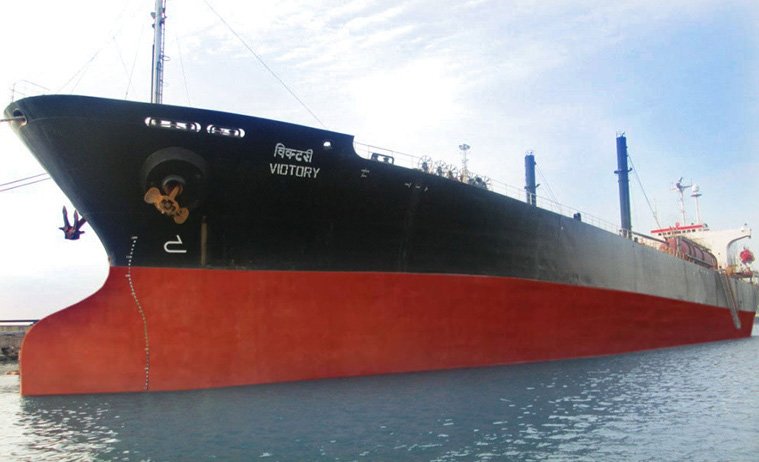
Black Sea Developments Impact Vegetable Oil Carrier Demand
Recent disruptions in the Black Sea region are poised to influence the demand for vessels transporting vegetable oils, particularly sunflower oil, from the area.
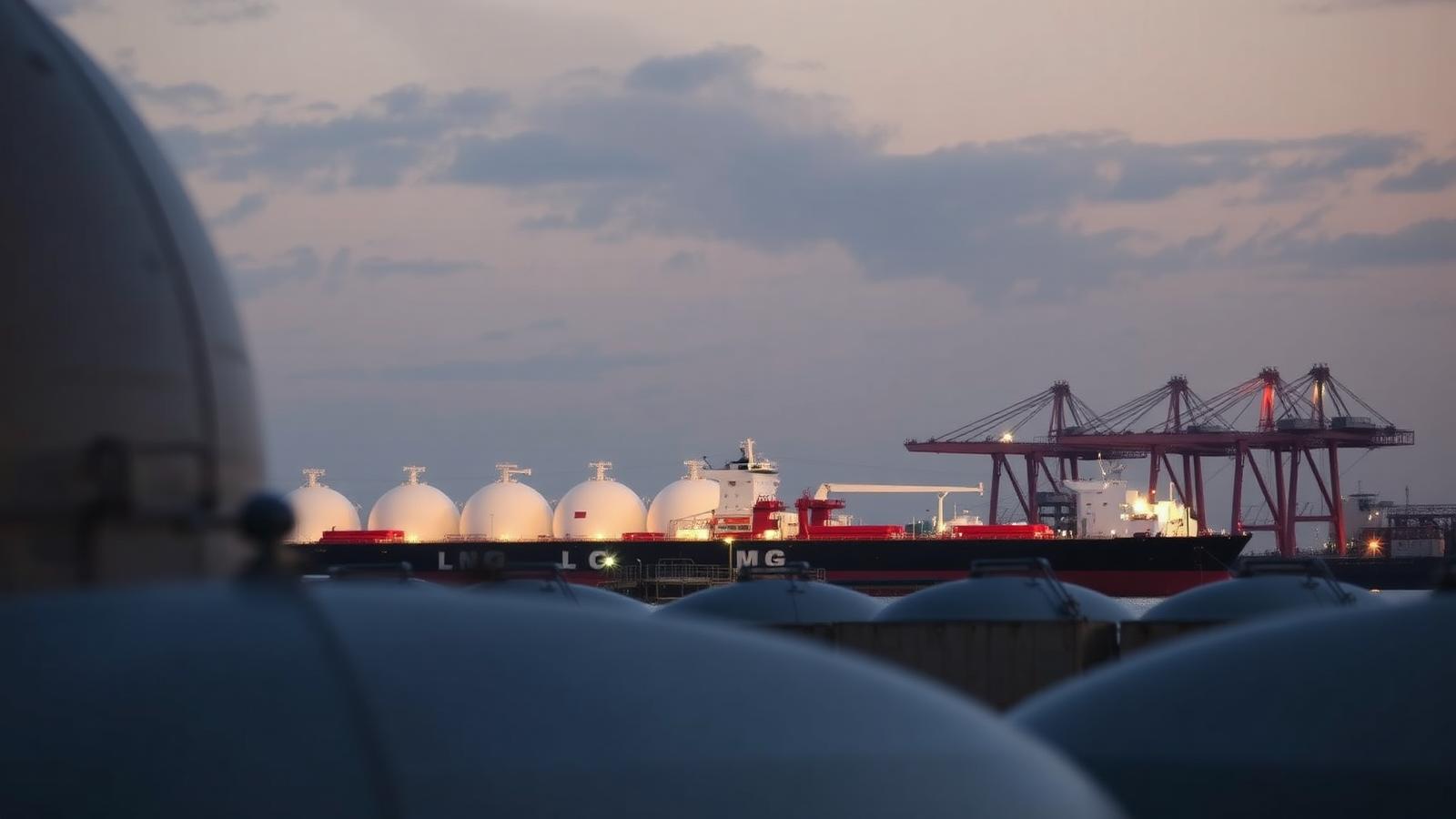
The Black Sea region holds significant importance in the global sunflower oil trade, with Russia and Ukraine collectively representing a substantial portion of worldwide exports. These two nations contribute over 57% of the total global trade volume for this commodity, establishing the region as a critical corridor for its international distribution.
However, the operational environment within the Black Sea has recently experienced challenges. Reports indicate disruptions to port infrastructure and export facilities, leading to an impact on cargo movements. These incidents have introduced increased operational risks for maritime activities in the area.
Sunflower oil constitutes a notable segment of the broader seaborne vegetable oil market. It accounted for 12% of the total global seaborne trade in vegetable oils in the specified period. This indicates its proportional significance within the overall liquid bulk commodities sector.
Regional Export Dynamics
The Black Sea's role is particularly pronounced for sunflower oil, distinguishing it from other major vegetable oils like palm oil and soybean oil. While palm oil dominates the overall global vegetable oil trade, with a 58% share of seaborne volumes, and soybean oil accounts for 16%, sunflower oil's regional concentration makes Black Sea stability especially pertinent.
Historically, the Black Sea has been a competitive source for sunflower oil, offering lower prices compared to alternatives like palm oil. This price competitiveness has been a key factor driving its demand in the global market. Any sustained disruption could shift procurement strategies for buyers seeking alternative suppliers or different vegetable oil types.
These ongoing conditions within the Black Sea are expected to have implications for the demand patterns of tank vessels, specifically those engaged in the transportation of vegetable oils. The altered operational landscape may influence shipping routes, vessel utilization, and overall freight dynamics in the short to medium term.
What it means
For commodity traders, these developments suggest potential volatility in sunflower oil prices and supply chain reliability from the Black Sea. Traders may need to assess alternative sourcing options or adjust hedging strategies. Shipowners operating in the liquid bulk sector, particularly those involved in vegetable oil transport, should monitor regional risks, evaluate charter rates, and consider operational adjustments due to altered cargo availability and transit conditions. The broader impact could include shifts in demand for specific vessel sizes and types as trade flows adapt.
Related topics
- vegetable oil
- sunflower oil
- shipping
- tankers
- commodity trade
Sourcing & attribution
Reported with reference to Hellenic Shipping News Worldwide. View original report
This article is an original Atlas summary produced under our editorial policy with AI drafting assistance and human editorial review. Spotted an error? Request a correction.

Elena Marchetti
Elena Marchetti covers commodity and energy market structure, benchmarks and trade flows for Atlas Commodity Group. She edits the publication's daily market intelligence coverage.
Related coverage