European Forces Conduct Inspections on Suspected Tankers
Naval operations in European waters have led to a series of boardings and inspections of vessels believed to be operating outside standard maritime regulations.
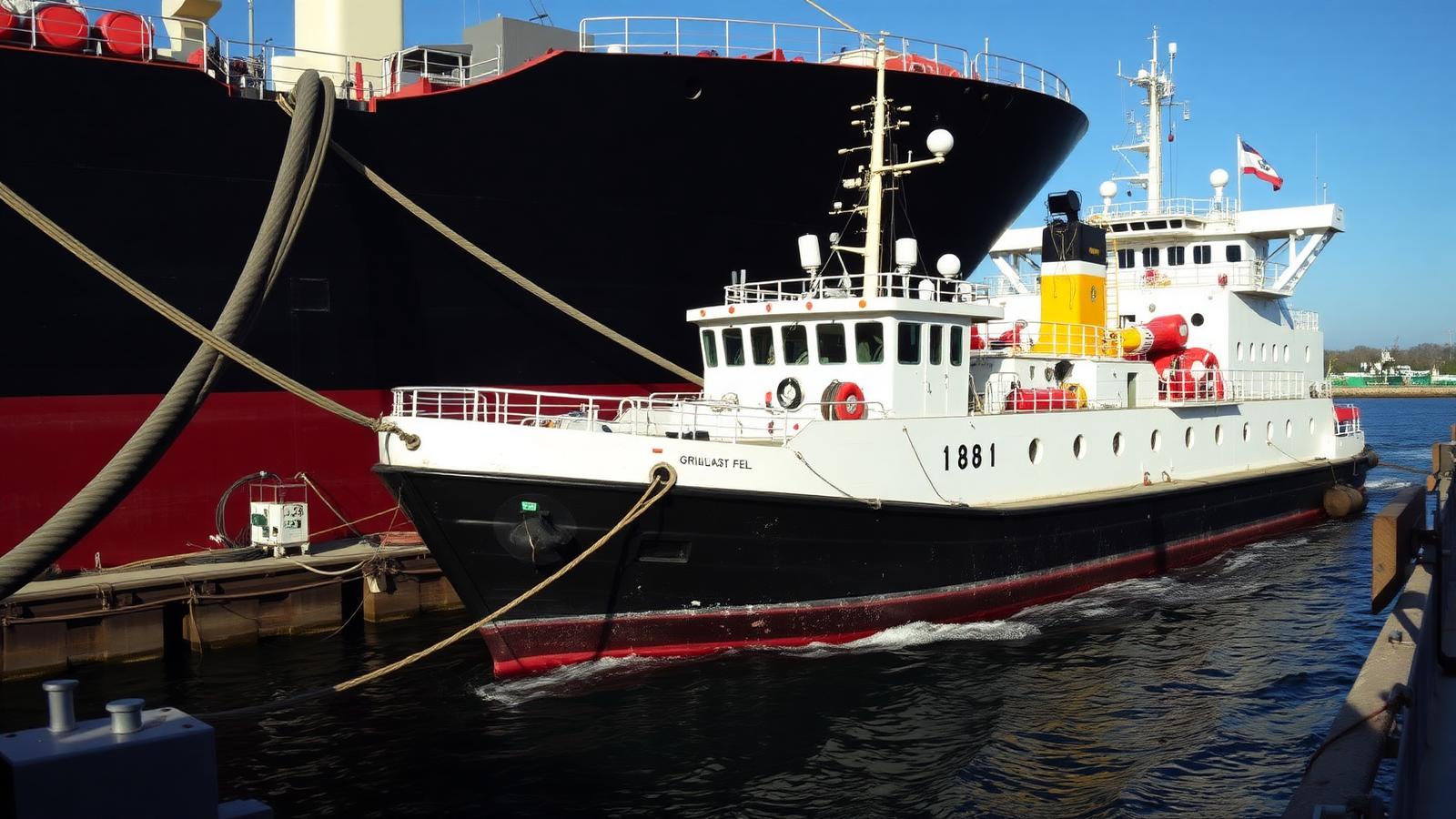
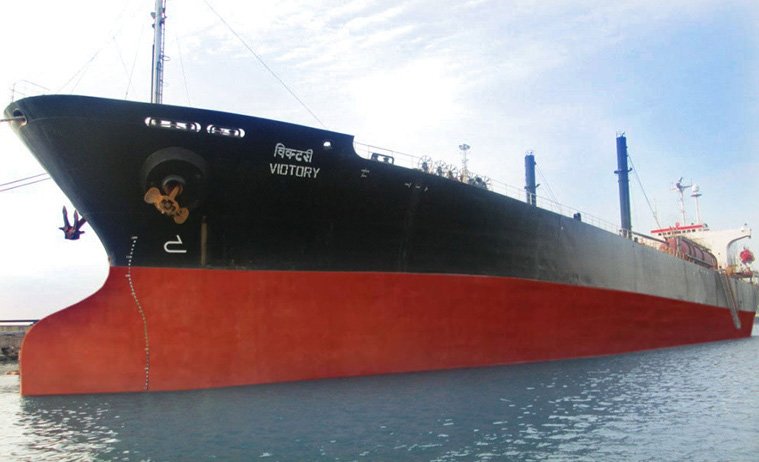
European Union naval forces have recently conducted multiple boardings and inspections of tankers operating within European waters. These actions are part of ongoing maritime security efforts aimed at ensuring compliance with international shipping standards and regulations.
The latest incident involved the inspection of a vessel identified as the *LAODICEA*. This inspection marks the sixth such operation carried out by European forces in recent months, focusing on vessels suspected of operating under atypical conditions.
Previous inspections conducted by European Union Naval Force (EUNAVFOR) MED Irini, a military operation, have targeted five other tankers. These operations primarily occur in specific maritime zones, including the Mediterranean Sea and near the Strait of Gibraltar.
The boardings are conducted under the authority of international law, allowing for inspections of vessels to verify their documentation, cargo, and operational practices. The focus is on identifying any potential irregularities that could pose risks to maritime safety or security.
The increasing frequency of these inspections highlights a broader trend of heightened scrutiny on certain segments of global shipping. Authorities are monitoring vessels that may be attempting to obscure their ownership, origin, or destination, or that may be operating without appropriate insurance or classification.
These activities by European forces contribute to maintaining stability and order in critical shipping lanes. The continued vigilance aims to address concerns related to illicit maritime activities and ensure adherence to international norms for all vessels traversing European-controlled waters.
The series of inspections underscores a concerted effort by European authorities to enforce maritime governance. This proactive approach seeks to mitigate risks associated with non-compliant shipping practices across key trade routes.
Maritime Security Operations Intensify
European Union naval forces have been increasingly active in conducting inspections of tankers in recent months. These operations involve boarding vessels for thorough checks of documentation and operational compliance. The objective is to uphold maritime safety and regulatory standards across European waters, particularly concerning vessels that exhibit characteristics of non-standard operations.
What it means
For commodity traders and shipowners, these ongoing inspection activities by European forces signal a reinforced regulatory environment in key maritime zones. Operators of tankers, particularly those involved in commodity transport, should ensure meticulous adherence to all international maritime laws, classification society rules, and insurance requirements. Any vessel perceived as operating outside these established norms may face increased scrutiny, potential delays, and the risk of inspection, impacting supply chain reliability and operational costs. Compliance and transparency remain paramount to mitigate these risks.
Related topics
- Tanker Inspections
- European Union Naval Forces
- Shipping Regulations
- Commodity Shipping
- Trade Routes
Sourcing & attribution
Reported with reference to gCaptain. View original report
This article is an original Atlas summary produced under our editorial policy with AI drafting assistance and human editorial review. Spotted an error? Request a correction.

Elena Marchetti
Elena Marchetti covers commodity and energy market structure, benchmarks and trade flows for Atlas Commodity Group. She edits the publication's daily market intelligence coverage.
Related coverage