Extended Hormuz Closure: Implications for Global Energy Flows
The Strait of Hormuz has remained de-facto closed for six months, leading to sustained disruptions in energy commodity movements. This ongoing situation prompts an examination of potential impacts if the passage remains inaccessible through the remainder of the year.
The Strait of Hormuz has experienced a de-facto closure for a period of six months, impacting global maritime trade, particularly in energy commodities. This sustained disruption has led to a re-evaluation of supply chain resilience and strategic energy routes worldwide. The current operational status of the strait indicates no immediate resolution to the factors causing its closure.
The extended closure has significant implications for energy flows, notably affecting oil and refined products. Approximately one-fifth of the world's total crude oil supply typically transits through this waterway. The inability to use this route forces tankers to seek alternative, longer passages, thereby increasing transit times and operational costs.
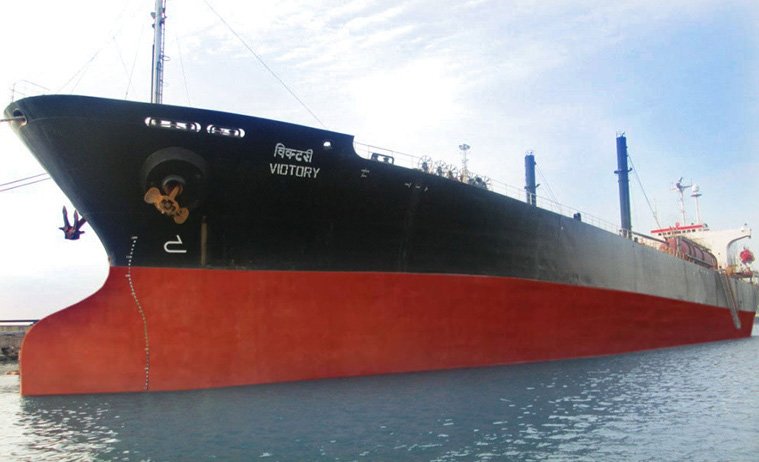
For shipowners, the closure translates into altered voyage planning and potentially higher insurance premiums for vessels navigating alternative, less direct routes. The re-routing of vessels also necessitates greater fuel consumption due due to increased distances. This operational shift can affect scheduling and delivery commitments for various commodities.
The global energy market is experiencing sustained effects from this situation. Countries reliant on Persian Gulf energy exports must now manage diversified sourcing strategies or adapt to the increased logistics associated with longer maritime routes. This re-shaping of supply chains impacts commodity prices and availability in various consumer markets.
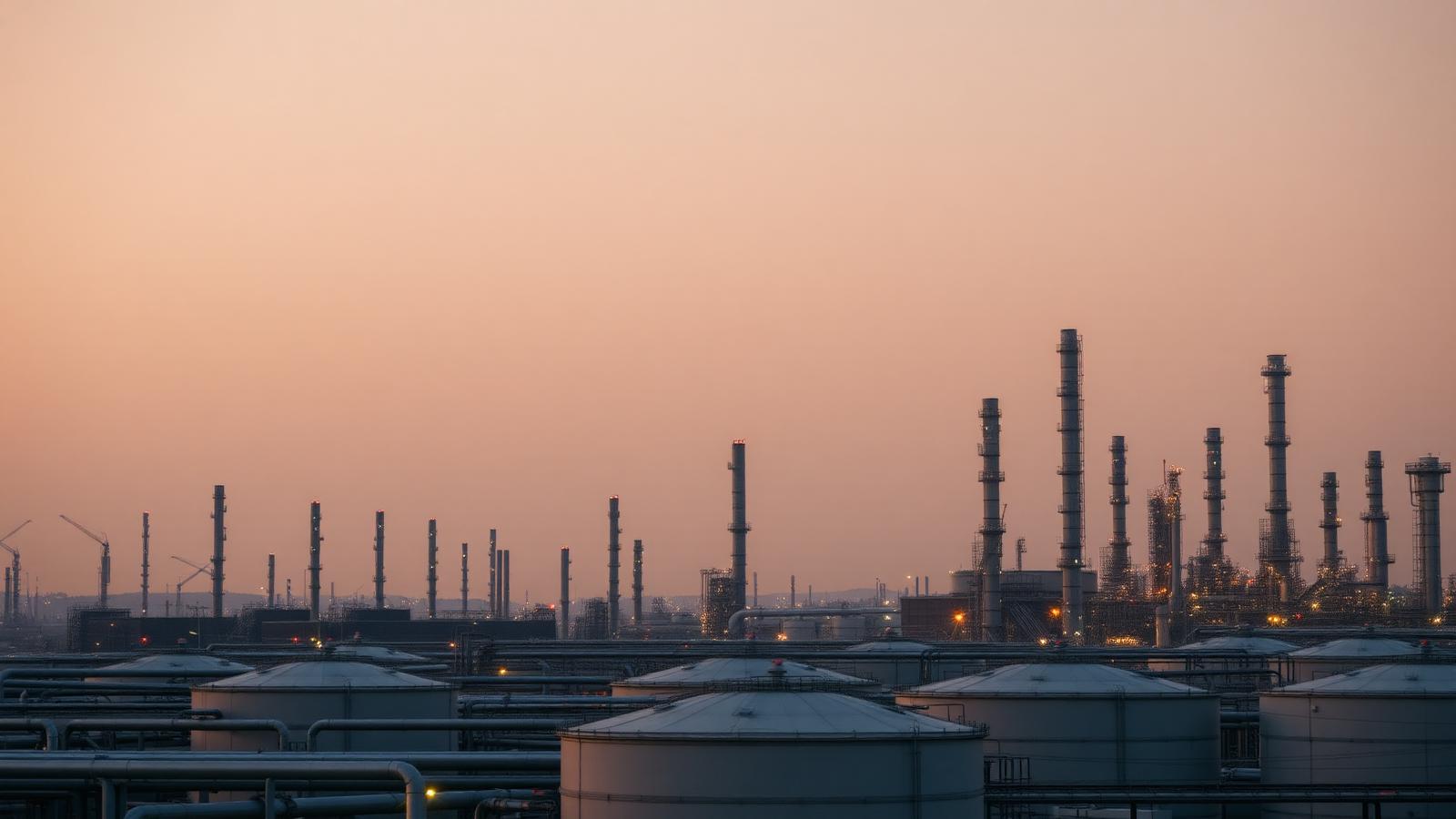
Producers in the Persian Gulf region are also navigating challenges associated with export logistics. The absence of the Strait of Hormuz as a primary export conduit requires them to explore or expand alternative export infrastructure, which can involve pipelines or other maritime routes that bypass the strait. These adaptations can entail considerable investment and strategic adjustments.
Refiners and industrial consumers globally face potential shifts in their feedstock acquisition strategies. The consistency of supply and the cost of transport for crude oil and petroleum products are directly influenced by the duration of the strait's closure. This could lead to adjustments in refinery runs or procurement from other regions to maintain operational continuity.
The bunkering sector has observed changes in demand patterns as vessels alter their routes. Ports along alternative shipping lanes may experience increased activity for refueling and provisioning, while those traditionally serving Hormuz-bound traffic could see reduced volumes. This geographic shift in bunkering demand requires service providers to adapt their operational footprints.
From a broader perspective, the prolonged inaccessibility of the Strait of Hormuz underscores the importance of geopolitical stability for global trade infrastructure. The current situation highlights vulnerabilities in highly concentrated trade routes and encourages a strategic reassessment of energy security by international stakeholders.
Market Impacts
- Sustained higher shipping costs for crude and refined products due to longer transit routes.
- Increased demand for alternative crude oil and product sources, potentially influencing regional price differentials.
- Strategic re-evaluation of energy supply chains and infrastructure investments by nations and corporations.
- Shifts in bunkering demand to ports along alternative shipping corridors.
What it means
For commodity traders, the ongoing closure of the Strait of Hormuz necessitates continuous monitoring of global oil and product inventories, refining margins, and freight rates. Price spreads between different crude benchmarks, particularly those linked to the Middle East, are likely to remain volatile due to altered supply logistics. Shipowners must factor in higher operational expenditures, including fuel costs and potentially increased insurance premiums, when planning voyages and assessing charter profitability. The long-term implications involve a potential acceleration in infrastructure development for alternative export routes and a sustained emphasis on diversified sourcing strategies for energy commodities.
Sourcing & attribution
Reported with reference to Hellenic Shipping News Worldwide. View original report
This article is an original Atlas summary produced under our editorial policy with AI drafting assistance and human editorial review. Spotted an error? Request a correction.

Elena Marchetti
Elena Marchetti covers commodity and energy market structure, benchmarks and trade flows for Atlas Commodity Group. She edits the publication's daily market intelligence coverage.
Related coverage