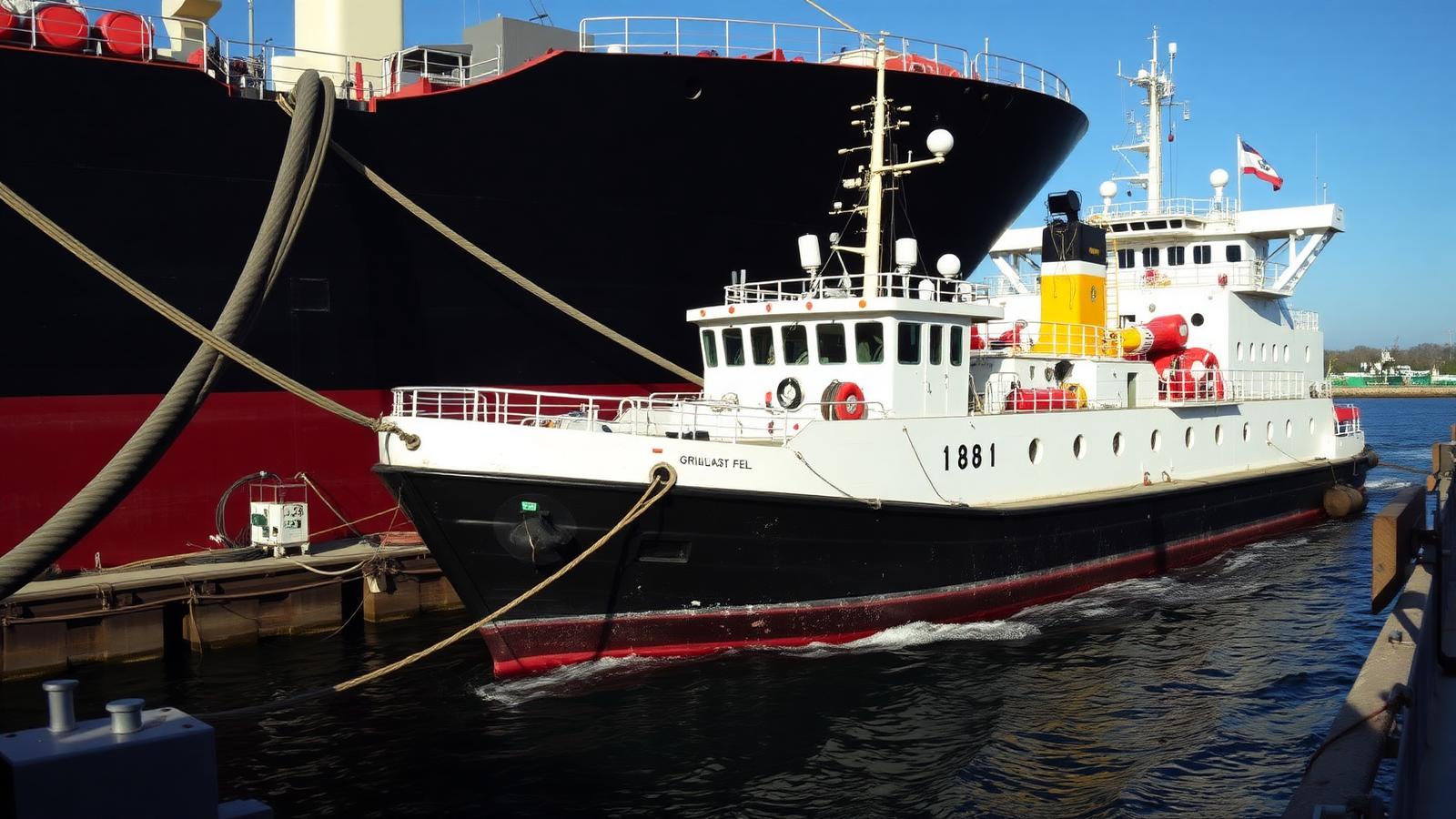
Geopolitical Tensions Contribute to Rise in Crude Oil Prices
Recent developments in the Middle East are impacting global crude oil markets, leading to upward price adjustments.
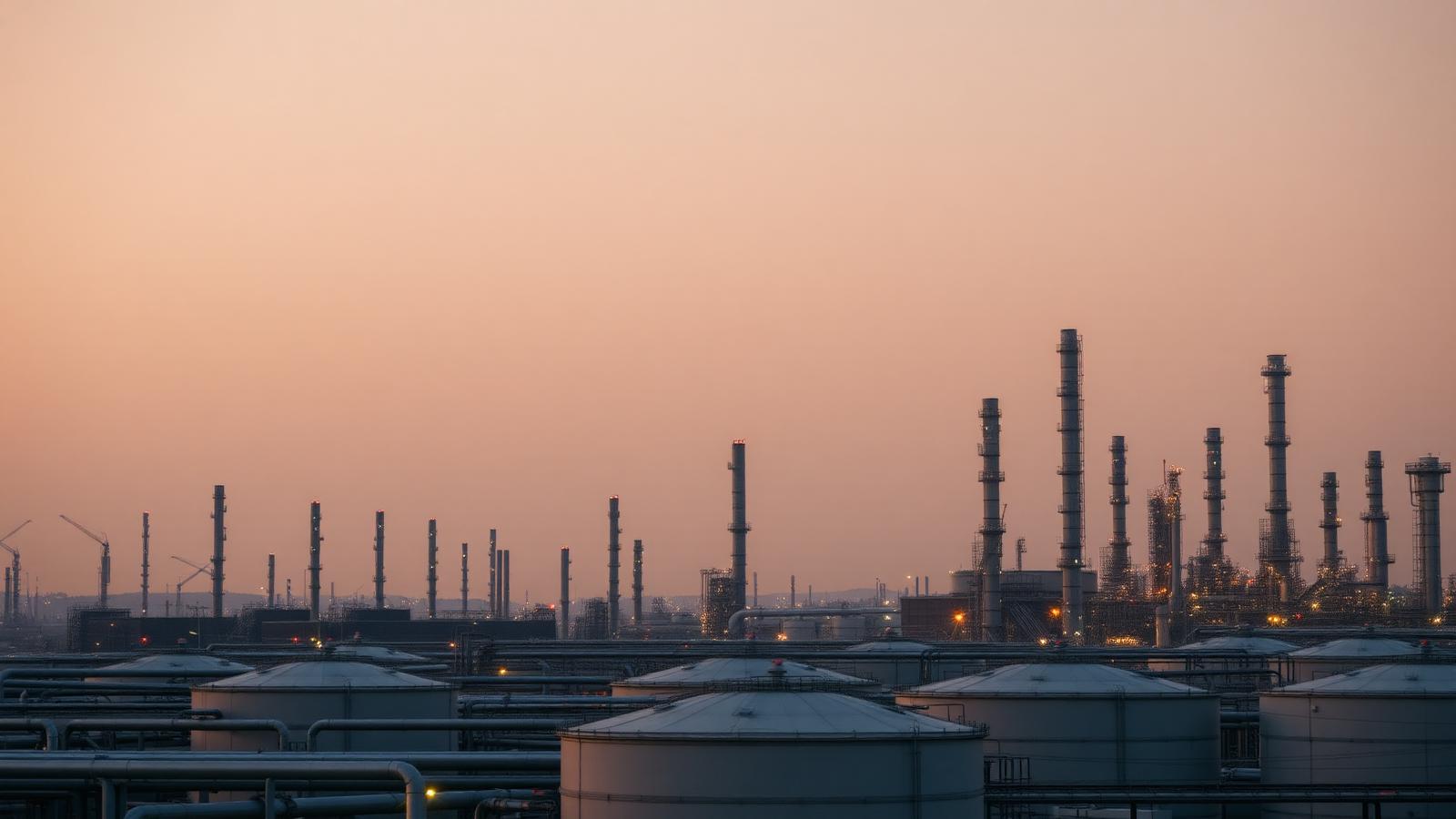
The global crude oil market has observed an increase in prices following reports of heightened tensions in the Middle East. Geopolitical events in regions critical to oil production and transit can frequently influence market sentiment and price discovery for energy commodities. These recent developments are contributing to broader market adjustments.
Crude oil benchmarks typically react to supply-side concerns or perceived risks to future supply stability. Any incident that suggests a potential disruption to oil flows, even if indirect, often prompts a re-evaluation of current market valuations by traders and analysts. This dynamic is a fundamental aspect of commodity market behavior.
The Middle East remains a key region for global oil production and exports, with significant volumes of crude and refined products transiting through its waterways. Consequently, events occurring within this geographical area are closely monitored by the energy sector for their potential implications on global supply chains and price stability.
Participants in the oil market are currently assessing the duration and intensity of these geopolitical factors. Short-term market movements often reflect immediate reactions to news, while sustained price trends depend on the evolving situation and any concrete impacts on supply or demand fundamentals. The interplay between these elements dictates market direction.
For energy consumers, including various industrial sectors and transportation providers, these price movements translate into higher input costs. The maritime shipping industry, in particular, tracks crude oil prices closely due to their direct influence on bunker fuel costs, a significant operational expense.
Market Dynamics and Outlook
The current price environment reflects a risk premium being factored into crude oil contracts. This premium compensates for the increased uncertainty surrounding potential disruptions to supply. Trading activity often intensifies during periods of geopolitical flux, as market participants adjust positions based on developing information.
The forward curve for crude oil futures contracts can also exhibit changes, indicating market expectations for future prices. A steepening of the curve, where distant contracts trade at a higher premium, might suggest anticipated ongoing supply tightness or elevated risk. Conversely, a flattening or inversion could signal a different outlook.
What it means
Commodity traders and shipowners should recognize that the current geopolitical landscape is a primary driver of upward pressure on crude oil prices. This implies higher procurement costs for various energy products, including bunker fuels. Traders will be monitoring for any escalation or de-escalation of tensions, as well as any direct impacts on oil infrastructure or shipping lanes, to inform their hedging strategies and physical procurement decisions. Shipowners should anticipate potentially elevated bunker prices and may consider reviewing fuel procurement strategies or freight rate adjustments in response to market volatility.
Sourcing & attribution
Reported with reference to Reuters. View original report
This article is an original Atlas summary produced under our editorial policy with AI drafting assistance and human editorial review. Spotted an error? Request a correction.
Elena Marchetti
Elena Marchetti covers commodity and energy market structure, benchmarks and trade flows for Atlas Commodity Group. She edits the publication's daily market intelligence coverage.