
Global Oil Production Projected to Rebound to Pre-Conflict Levels by Year-End, EIA Indicates
Analysis from the U.S. Energy Information Administration suggests a restoration of global oil output to quantities observed before the recent Iranian conflict, with projections pointing to a return by the close of the current year.
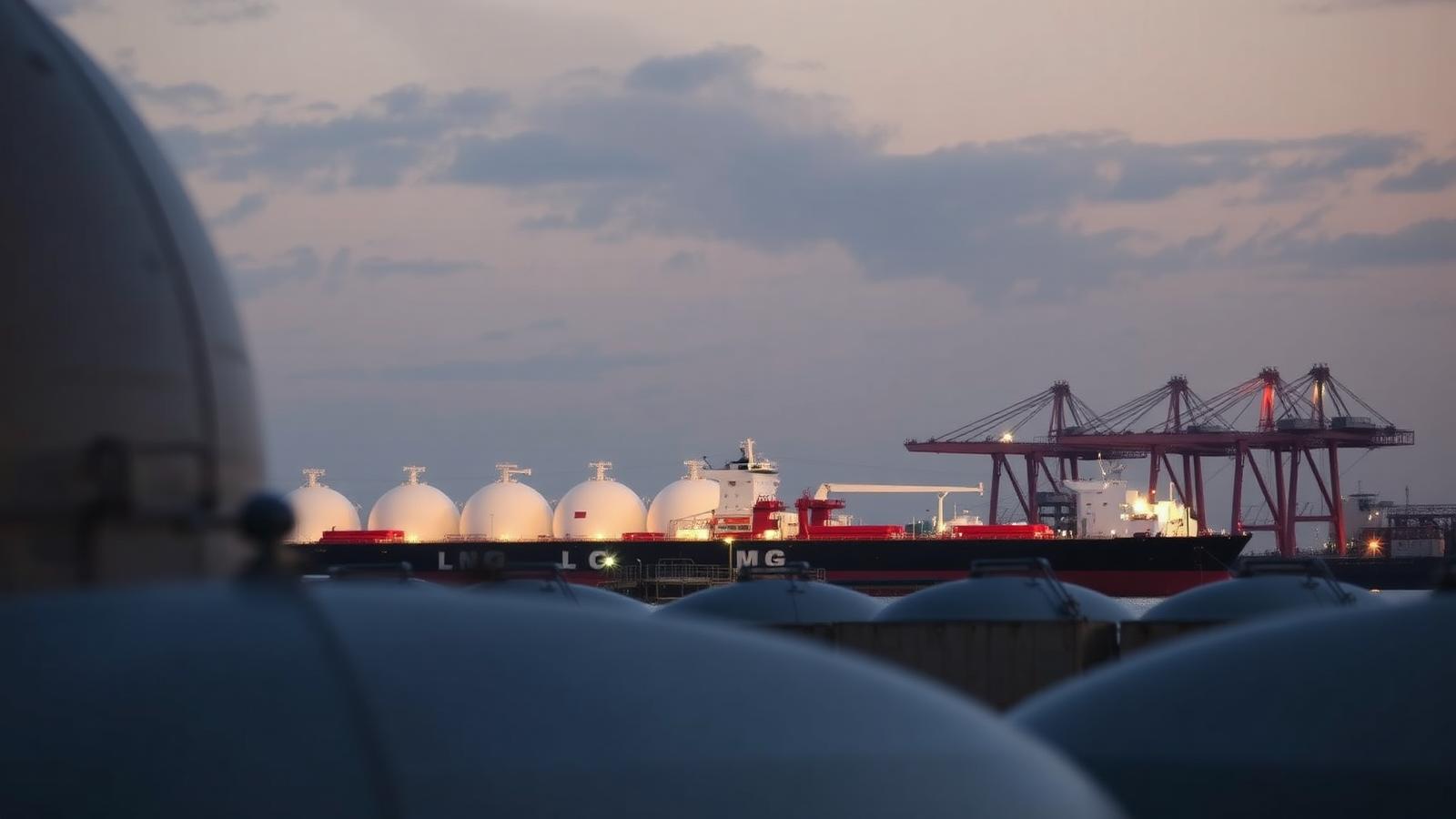
The U.S. Energy Information Administration (EIA) has released assessments indicating a potential full recovery in global oil production. According to their analysis, worldwide output is expected to revert to volumes last seen prior to the recent conflict involving Iran. This forecast suggests a stabilization in supply dynamics on a global scale.
The timeline for this recovery is anticipated to be by the end of the current calendar year. Such a development would mark a significant return to normalcy for the international oil market, which has experienced various shifts in supply and demand patterns.
Fluctuations in oil production capacity and geopolitical events frequently influence global commodity markets. The EIA's projection offers an outlook on how these factors may evolve over the coming months, particularly concerning the volume of crude oil available for international trade and consumption.
Global Supply Outlook
The anticipated rebound in output suggests a resolution or mitigation of factors that previously impacted supply. A return to pre-conflict production levels could alleviate certain pressures experienced across the energy sector, potentially influencing refining operations and distribution networks.
This projection by the EIA focuses on the aggregate volume of oil produced globally. It reflects an underlying assessment of various production regions and their capacities to contribute to the overall supply, taking into account any recent disruptions.
The global oil market continuously monitors such projections for insights into future supply trends. The EIA, as a principal agency for energy information, plays a role in disseminating data and analyses that inform market participants and policymakers.
Market Implications
A full recovery of global oil production to pre-conflict benchmarks could have several implications for market participants. Increased supply availability generally contributes to more stable pricing environments, though other factors like demand growth and inventory levels also play significant roles.
For refiners, a consistent and robust supply stream is crucial for operational planning and feedstock procurement. The prospect of restored production levels can offer greater certainty in these areas.
Shipping and logistics sectors that transport crude oil and refined products would also be affected by restored supply chains. Increased volumes moving through established routes could lead to adjustments in freight demand and vessel utilization, contributing to the broader equilibrium of the maritime trade.
What it means For commodity traders, the EIA's projection of global oil production returning to pre-Iran conflict levels by year-end suggests a potential easing of supply-side concerns. This outlook could influence futures contracts and inventory management strategies, possibly leading to a more balanced market. Shipowners may anticipate stable or increasing demand for crude oil tankers as production volumes normalize and trade flows resume pre-disruption patterns, impacting freight rates and deployment decisions.
Related topics
- EIA
- Oil Market
- Commodity Trading
- Energy Forecast
- Crude Oil Supply
Sourcing & attribution
Reported with reference to Reuters. View original report
This article is an original Atlas summary produced under our editorial policy with AI drafting assistance and human editorial review. Spotted an error? Request a correction.

Elena Marchetti
Elena Marchetti covers commodity and energy market structure, benchmarks and trade flows for Atlas Commodity Group. She edits the publication's daily market intelligence coverage.