
Gold Prices Register Decline Amidst Elevated Oil Market Conditions
Market observers note a recent softening in gold prices, occurring concurrently with an upward trend in global crude oil benchmarks. The interplay between these commodities is being watched closely for broader economic implications.
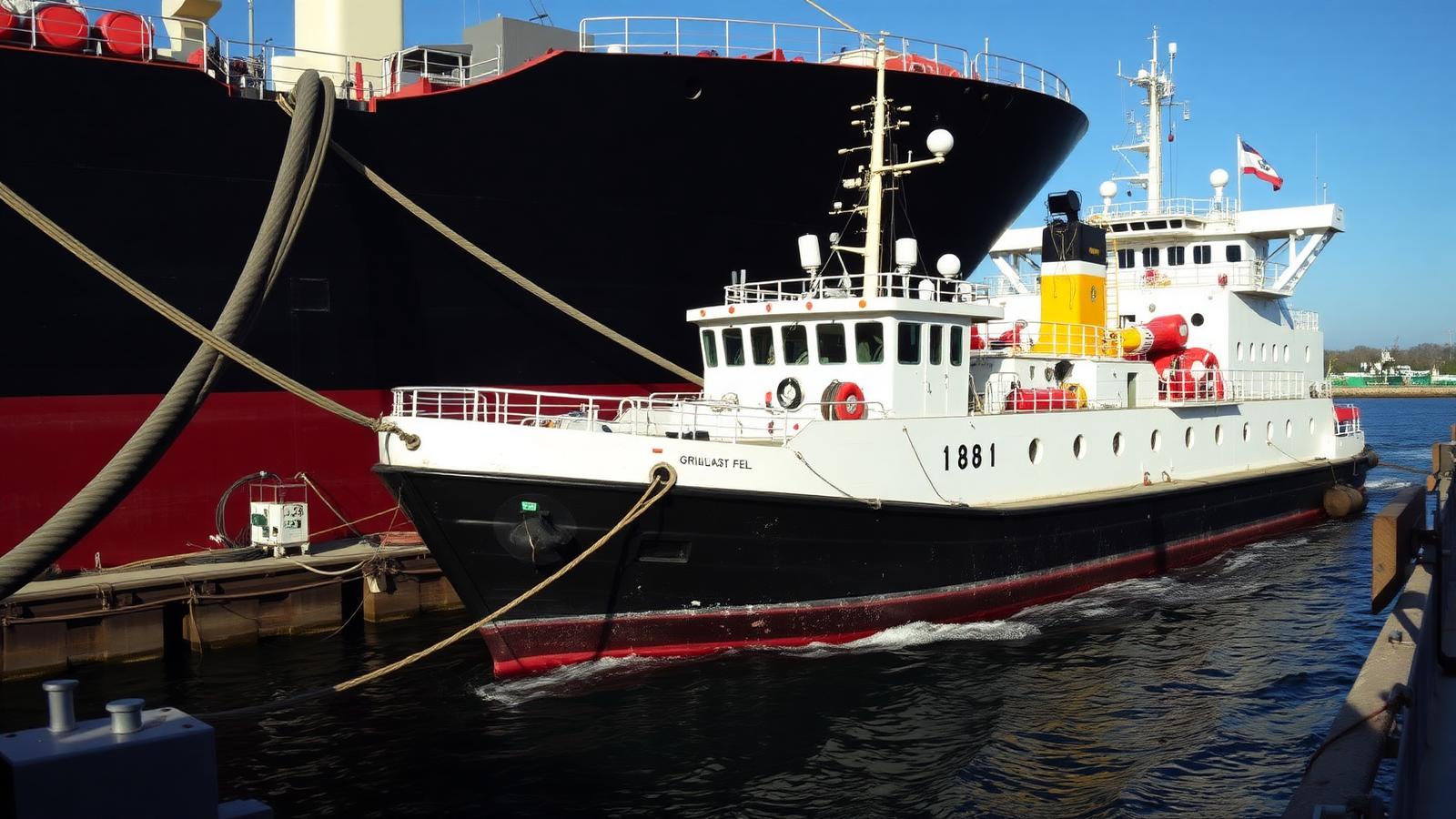
Gold prices have recently experienced a downward adjustment in market trading. This development has unfolded against a backdrop of increasing price levels within the global oil sector, indicating a potential intermarket dynamic.
The trajectory of crude oil prices has shown an upward movement, reflecting ongoing supply and demand considerations in energy markets. This sustained elevation in energy costs often factors into wider economic assessments, influencing various asset classes.
Commodity analysts are observing the concurrent movements in gold and oil. Gold, traditionally viewed as a hedge against inflation and economic uncertainty, often reacts to shifts in perceived economic stability and the purchasing power of currencies.
The current market environment suggests that the upward pressure on oil prices is contributing to broader inflationary considerations. These considerations can influence investor sentiment and allocation decisions across different asset types, including precious metals.
While the direct causal links are complex, the observed correlation between rising oil prices and a decline in gold prices is a notable market phenomenon. Participants in the precious metals sector are evaluating how these macro commodity trends could shape short-to-medium term valuations.
Market Dynamics and Commodity Interplay
The financial markets frequently exhibit interdependencies between different commodity classes. Energy prices, particularly crude oil, are foundational inputs for many industrial and economic activities globally. Consequently, significant shifts in oil prices tend to propagate through the economic system.
Such propagation often manifests in inflationary pressures, as higher energy costs can increase production and transportation expenses for a wide range of goods and services. Investors and traders monitor these signals for potential impacts on monetary policy and overall economic stability, which in turn affect assets like gold.
What it means
For commodity traders and shipowners, the current market signals suggest a period where energy costs remain a significant factor in global economic projections. Rising oil prices can influence operational expenses for shipping and industrial production, potentially impacting profit margins. Concurrently, the observed dip in gold prices alongside elevated oil costs points to an ongoing re-evaluation of risk and inflation hedges within portfolios, suggesting a nuanced environment for asset allocation decisions and forward planning.
Sourcing & attribution
Reported with reference to Reuters. View original report
This article is an original Atlas summary produced under our editorial policy with AI drafting assistance and human editorial review. Spotted an error? Request a correction.
Elena Marchetti
Elena Marchetti covers commodity and energy market structure, benchmarks and trade flows for Atlas Commodity Group. She edits the publication's daily market intelligence coverage.
