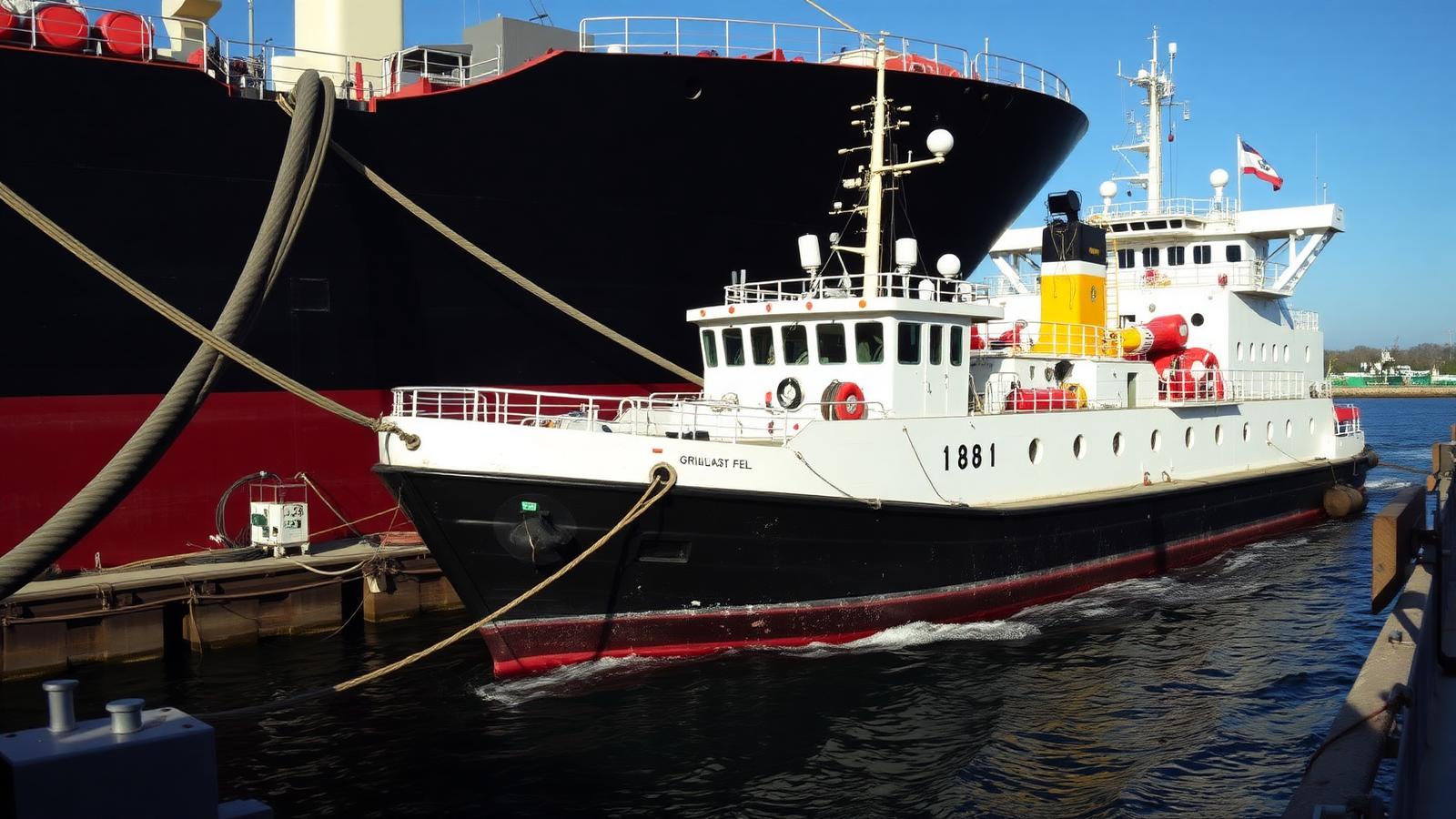
Oil Prices See Uptick Following Reports of Incidents Involving Container Ships in Key Strait
Global oil markets reacted to news concerning maritime traffic in the Strait of Hormuz, with crude benchmarks experiencing upward movement.
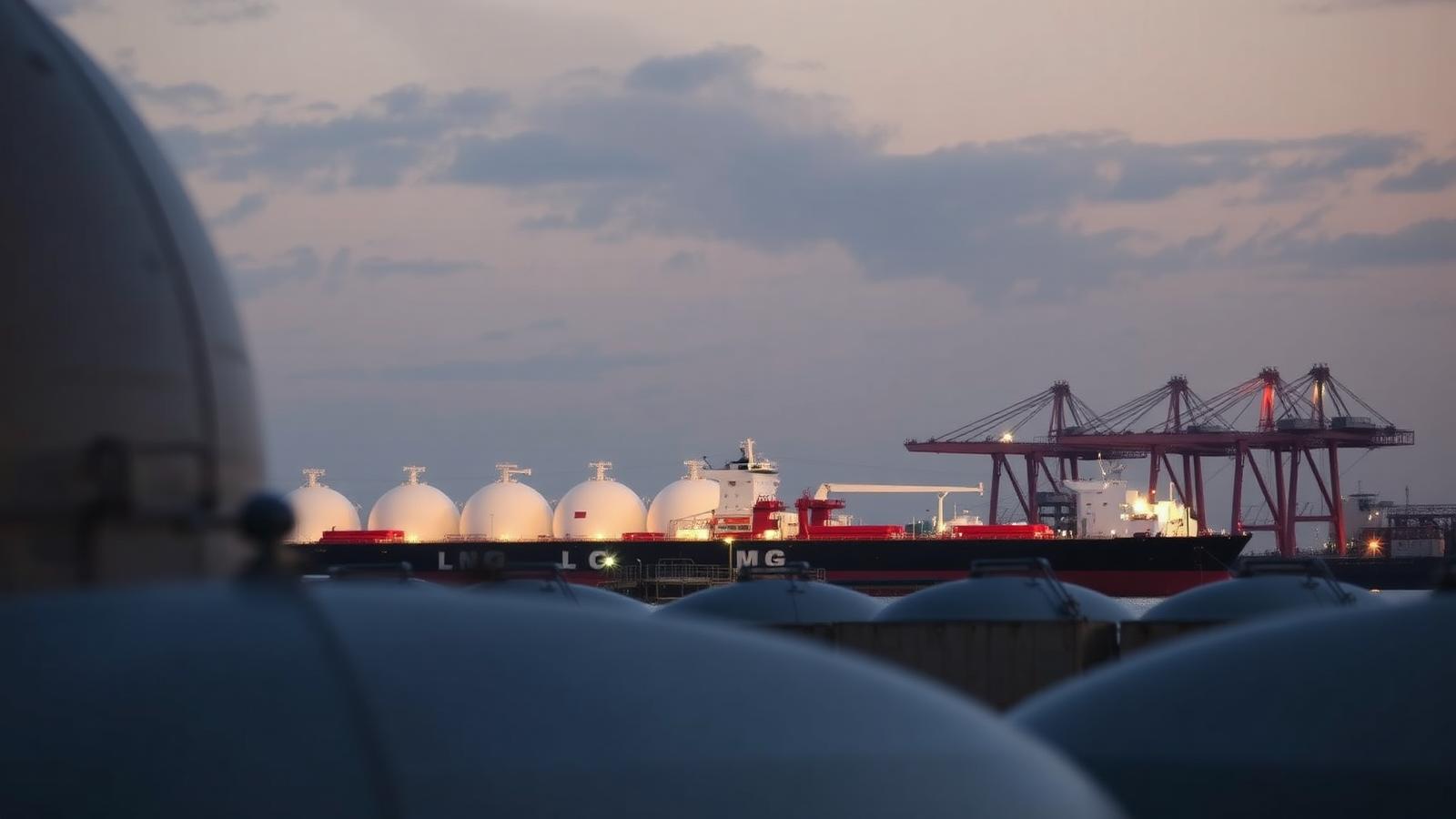
Global oil prices registered an increase following reports of incidents affecting container ships operating in the Strait of Hormuz. This development occurred amid ongoing attention to maritime security in critical shipping lanes.
The Strait of Hormuz is recognized as a vital chokepoint for global energy flows. A substantial portion of the world's seaborne crude oil and refined products transit through this narrow waterway, connecting the Persian Gulf to the open ocean.
Market observers note that disruptions or perceived risks to shipping in such strategic locations can influence commodity prices. The reported incidents specifically involved container vessels, rather than crude oil tankers, but their location in the Strait contributed to market sentiment.
Crude oil benchmarks typically reflect a range of factors, including supply and demand fundamentals, geopolitical developments, and perceived risks to transportation infrastructure. News related to maritime security in major transit zones often plays a role in these price dynamics.
While the specific nature or full impact of the reported events on the container ships was not detailed, the geographic location in the Strait of Hormuz was a key element in the market's response. The strait's significance to global trade extends beyond just oil, encompassing a wide array of goods transported via container vessels.
Market Impact
The immediate effect on oil prices indicates the market's sensitivity to stability in major shipping arteries. Even incidents involving non-oil carrying vessels in a critical chokepoint can trigger a response in energy markets, highlighting the interconnectedness of global supply chains.
Crude oil prices often incorporate a geopolitical risk premium, which can fluctuate based on perceived threats to supply or transport. Reports of incidents in the Strait of Hormuz, regardless of the vessels involved, tend to contribute to this risk assessment among traders.
What it means
For commodity traders, this situation underscores the ongoing importance of monitoring geopolitical developments and maritime security in key chokepoints like the Strait of Hormuz. Even isolated incidents or those not directly impacting oil tankers can influence overall market sentiment and crude price trajectories. Shipowners operating in the region may need to account for updated risk assessments, although the reported incidents involved container ships and not necessarily the broader bunkering or energy shipping segments directly.
Related topics
- Strait of Hormuz
- Maritime Security
- Container Shipping
- Crude Oil
- Energy Markets
Sourcing & attribution
Reported with reference to Reuters. View original report
This article is an original Atlas summary produced under our editorial policy with AI drafting assistance and human editorial review. Spotted an error? Request a correction.

Elena Marchetti
Elena Marchetti covers commodity and energy market structure, benchmarks and trade flows for Atlas Commodity Group. She edits the publication's daily market intelligence coverage.