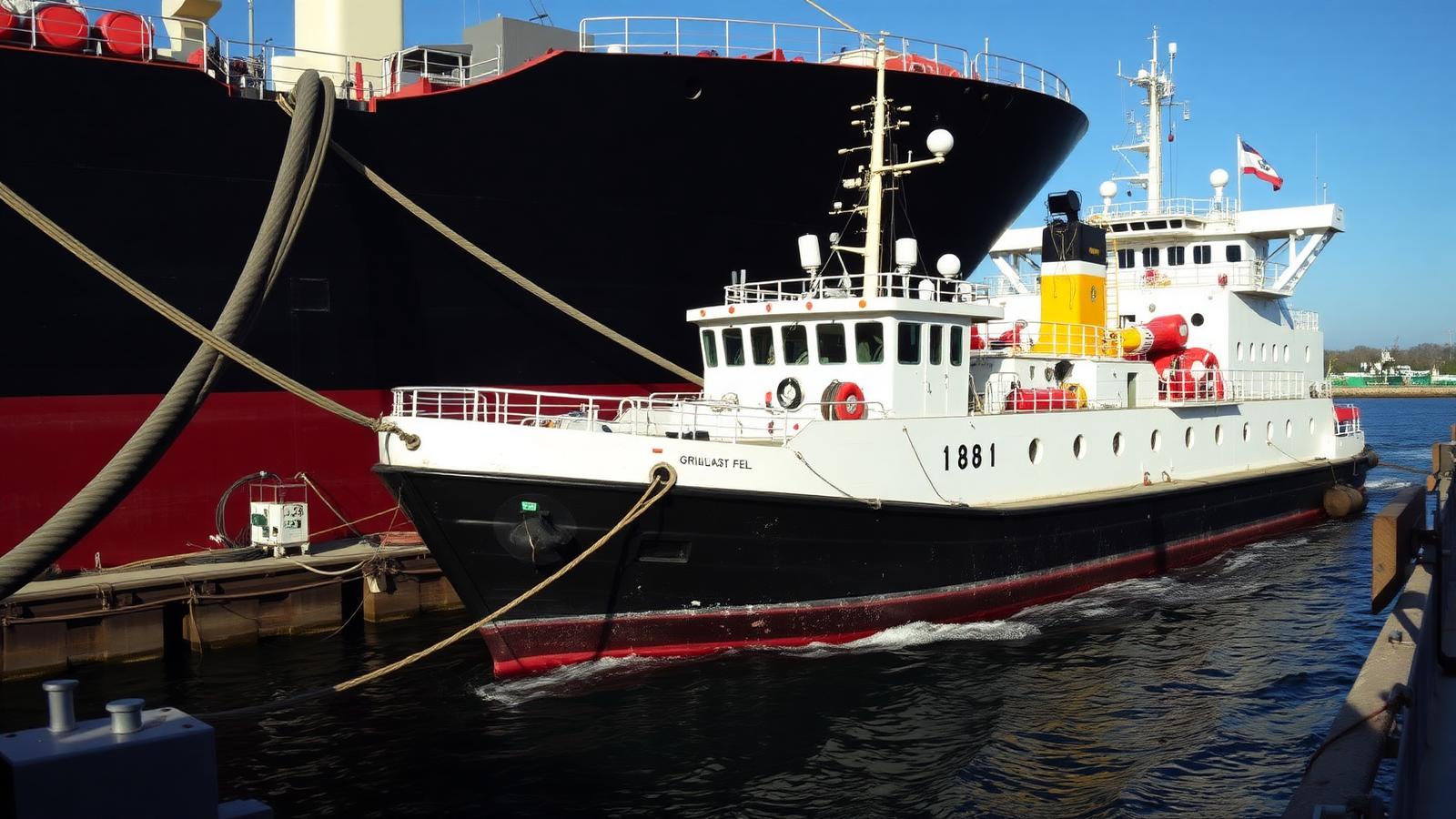
Pakistan's Fuel Import Costs Rise Amid Regional Geopolitical Developments
Geopolitical events, including regional conflict and disruptions to key shipping lanes, have reportedly influenced Pakistan's fuel import expenditures.
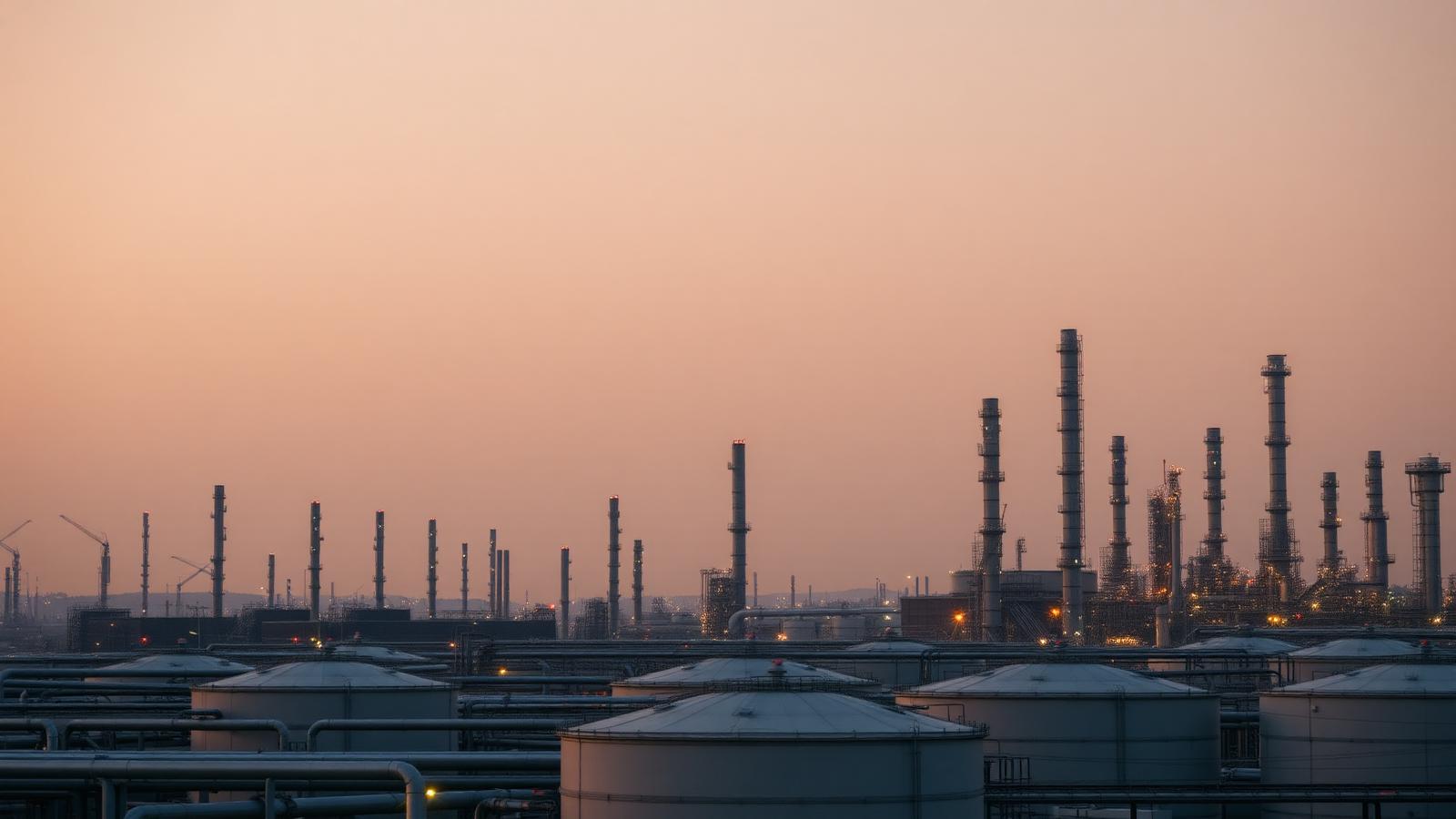
Pakistan's expenditure on fuel imports has reportedly reached $7.9 billion. This figure reflects the costs associated with securing necessary fuel supplies for the nation's energy demands.
Several factors can influence a country's fuel import bill, including global crude oil prices, currency exchange rates, domestic demand, and the efficiency of energy infrastructure. The total cost represents a significant component of Pakistan's overall import balance.
Reports indicate that geopolitical developments in the Middle East have contributed to the increase in these import costs. Regional conflicts can impact supply chains, logistics, and the perceived risk premium on energy commodities.
Disruptions to maritime transit through the Strait of Hormuz have also been cited as a contributing factor. This vital waterway is a critical choke point for global oil and gas shipments, and any impediments to its smooth operation can have ripple effects on international energy markets.
Such disruptions can lead to higher shipping costs, increased insurance premiums for vessels operating in affected areas, and potential delays in cargo delivery. These additional expenses are often reflected in the final import price of fuels.
The Strait of Hormuz is strategically important, connecting the Persian Gulf to the open ocean. A substantial portion of the world's seaborne oil passes through this strait, making its stability crucial for global energy security.
Regional Energy Supply Dynamics
The dynamics of energy supply in the region are complex, influenced by a combination of production capabilities, demand centers, and geopolitical considerations. Countries dependent on energy imports are particularly sensitive to shifts in these dynamics, which can affect national budgets and economic stability.
Maintaining stable access to energy resources is a primary concern for importing nations. This often involves diversifying supply sources and routes, though some geographical constraints, such as reliance on specific shipping lanes, can limit these options.
What it means
For commodity traders and shipowners, this situation highlights the ongoing impact of geopolitical risk on energy markets and maritime logistics. The reported increase in Pakistan's fuel import bill underscores how regional conflicts and disruptions to critical choke points like the Strait of Hormuz can translate into tangible financial implications. Traders may need to factor in heightened risk premiums, potential supply chain delays, and increased freight costs when assessing contracts and vessel deployments in the region. Shipowners could face elevated insurance costs and operational challenges for routes traversing sensitive areas, necessitating adaptive voyage planning and risk management strategies.
Related topics
- Pakistan
- Geopolitics
- Strait of Hormuz
- Energy Costs
- Maritime Logistics
- Commodity Trading
Sourcing & attribution
Reported with reference to Reuters. View original report
This article is an original Atlas summary produced under our editorial policy with AI drafting assistance and human editorial review. Spotted an error? Request a correction.

Elena Marchetti
Elena Marchetti covers commodity and energy market structure, benchmarks and trade flows for Atlas Commodity Group. She edits the publication's daily market intelligence coverage.